A chipped tooth, new sensitivity, or a bite that suddenly feels different after an accident can leave patients unsure of what to do next. Knowing what to do after a dental injury can help patients understand which symptoms deserve prompt evaluation and what information may be useful at the first visit. Is the problem urgent? Can it wait? Does it require an in-person visit?
A virtual consultation can sometimes help answer those first questions. For certain dental injuries, teledentistry gives the dentist an early look at what happened, what symptoms are present, and how quickly the patient may need to be seen.
It also has limits. Dental trauma can involve the roots, bone, nerves, and bite in ways that cannot be fully assessed through a screen.
What a Virtual Dental Injury Consult Can Help With
A virtual visit is most useful when the immediate need is deciding what should happen next.
The patient can explain how the injury occurred, when symptoms started, and whether there is pain, swelling, bleeding, sensitivity, or difficulty biting. Photographs may also help when a tooth is visibly chipped, fractured, or out of position.
With that information, the dentist may be able to determine whether prompt in-person care is appropriate or whether a scheduled follow-up is reasonable.
This can be useful when an injury appears minor but the patient is unsure what it means. However, minor dental injuries can sometimes progress over time, particularly when a crack, nerve injury, or bite problem is not obvious initially. A small chip may not require urgent treatment, while a tooth that feels loose or has shifted position may need to be examined much sooner.
When a Virtual Visit Is Not Enough
A camera only shows what is visible. Trauma can extend beneath the enamel or gumline. A tooth can look fine after an injury while the root, supporting bone, ligament, or nerve has still been affected. Changes in the bite can also be difficult to assess without examining how the teeth come together. Bite changes after an accident can also be difficult to assess virtually because the dentist may need to examine how the upper and lower teeth contact each other.
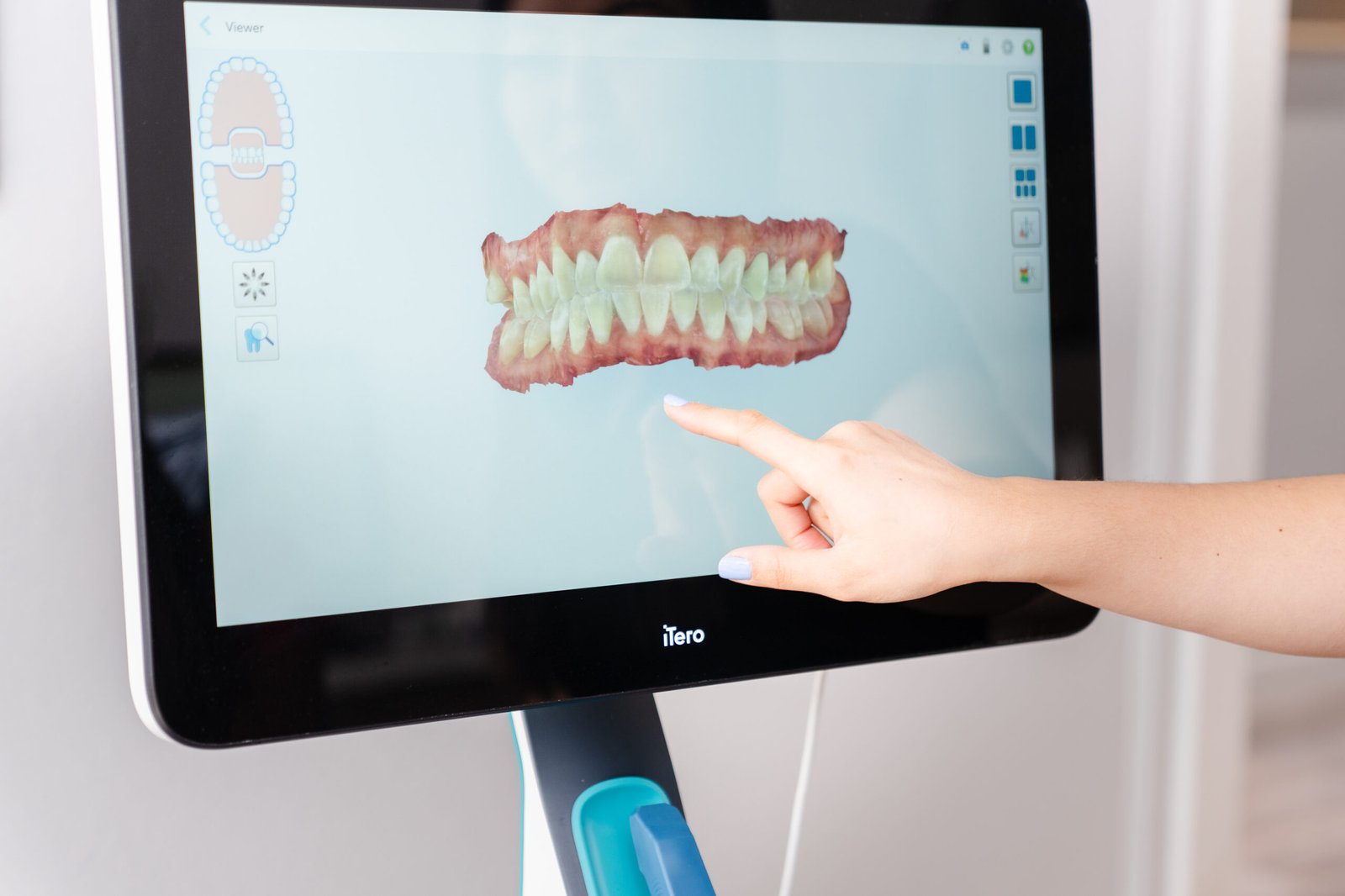
For these reasons, many dental injuries still require an in-person assessment. Depending on the trauma, the dentist may need X-rays or 3D imaging to evaluate dental trauma beneath the surface, vitality testing, a bite evaluation, or a hands-on examination of the surrounding tissues.
A virtual consultation should also not replace direct evaluation when there is significant swelling, uncontrolled bleeding, severe pain, or a loose or displaced tooth.
When Teledentistry Makes the Most Sense
For dental injuries, teledentistry is most useful as a first point of contact.
It can help patients understand how quickly they should be seen and whether an in-person injury evaluation is likely to be necessary. It may also save time when the visible concern is straightforward and the main question is how soon an appointment should be scheduled.
What a virtual visit cannot do is rule out damage that is not visible. BDI evaluations consider the teeth, bite, jaw, nerves, and surrounding structures because an injury can be more extensive than it initially appears.
Texas teledentistry requirements can change, so patients should confirm current eligibility, consent, and visit requirements directly with the provider.
If you have concerns about a tooth or your bite after an accident, contact the BDI team to find out whether a virtual consultation is appropriate or an in-person evaluation is the better next step.