
Small dental injuries are easy to underestimate. A chipped tooth, mild sensitivity, or a slight crack may not feel urgent at first, especially if normal function is still possible. But once the structure of a tooth has been compromised, even slightly, it continues to absorb pressure throughout the day.
The issue is not only what the injury looks like at the surface. It is how that tooth behaves under continued use. What starts as a minor structural change can gradually shift as the tooth is exposed to everyday forces, which is why early evaluation through a dental trauma consultation plays a larger role than most patients expect.
How Small Injuries Progress Over Time
Teeth are designed to distribute force evenly during chewing. When part of that structure is damaged, pressure no longer moves through the tooth the way it should. Instead, it begins to concentrate around the weakened area.
Over time, this can lead to further breakdown. A small crack may extend, sometimes requiring fractured tooth treatment as the damage progresses, or additional portions of the tooth may fracture under repeated stress. Sensitivity can develop as deeper layers become exposed. In early stages, this type of damage may be stabilized with relatively conservative treatment. As the structure weakens, more comprehensive restoration is often required to restore strength and function.
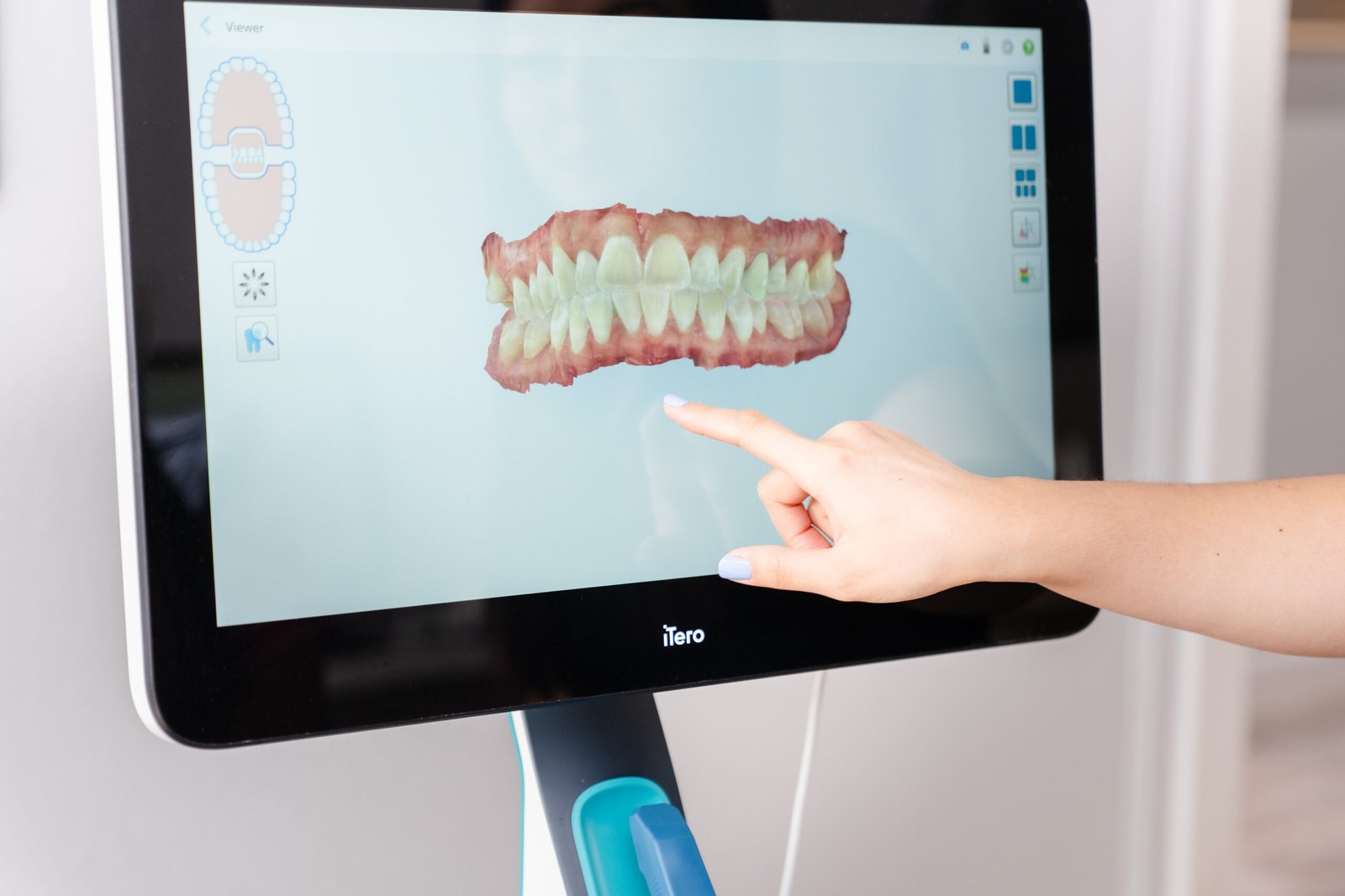
Not all of this progression is visible. A tooth can appear mostly intact while internal changes are already underway. A fracture may create a pathway toward the inner portion of the tooth, allowing irritation or bacteria to reach the pulp. This process does not always cause immediate pain. Some patients notice only mild or inconsistent symptoms at first, while others may not feel anything until the condition has advanced further. This is where emergency dental imaging becomes important in identifying hidden structural changes.
As internal involvement develops, the risk shifts toward infection, abscess formation, or impact on surrounding bone. At that stage, treatment becomes more involved and less predictable. This is why waiting for clear or severe symptoms is not always a reliable way to judge the seriousness of a dental injury.
Function can also begin to change. Even a small alteration in tooth shape can affect how the upper and lower teeth come together. These changes are often subtle at first, but over time they can create uneven pressure, increased wear on surrounding teeth, or strain in the jaw. What began as a localized issue can gradually extend beyond the original tooth.
Because these changes happen under normal use, progression is often gradual rather than sudden. The longer the tooth continues to function in a compromised state, the more likely the condition is to require more complex care.
What This Means for Treatment
The long-term impact of a dental injury is rarely defined by how it starts. It is shaped by how far it is allowed to progress.
A minor fracture may be addressed with a simple restoration when evaluated early. The same injury, if left unaddressed, may require multi-step treatment to rebuild the tooth or, in more advanced cases, replacement if the structure can no longer be preserved. This progression affects not only cost, but also treatment time, complexity, and overall stability.
At brush365 Dental Injury, consultations are structured around this long-term view. Evaluations include detailed imaging, clinical assessment, and bite analysis to understand both the current condition and how it may evolve under continued function. Documentation and treatment planning are designed to create clarity from the beginning, especially in cases that may involve phased care or external coordination.
If you have a chipped tooth, sensitivity, discomfort when biting, or any dental injury that has not been evaluated, it is worth addressing before it progresses further. Schedule a consultation with brush365 Dental Injury to begin comprehensive dental trauma care and protect your long-term oral health.