After a dental injury, many patients are not sure where to begin. The injury may have happened in a car accident, fall, sports incident, workplace accident, or another traumatic event. There may be tooth pain, swelling, bleeding, jaw soreness, a broken tooth, or dental work that suddenly feels loose. At the same time, patients may be trying to decide whether to call a dentist, attorney, insurance company, medical provider, or employer first.
That uncertainty can delay care. Dental injuries should be evaluated promptly because teeth, nerves, bite alignment, and supporting bone can be affected even when the damage is not obvious right away.
brush365 Dental Injury provides a structured starting point for dental injury care in DFW through dental trauma consultations, helping patients understand what happened dentally, what needs attention, and what next steps may be appropriate.
Why an Early Dental Evaluation Matters
A dental injury can involve more than a chipped tooth. Trauma may affect the tooth structure, nerve, root, gums, jawbone, bite, or existing dental work.
Some injuries are visible immediately. Others become clearer over time. A tooth may look intact but hurt when chewing. A crown or filling may feel slightly off. A tooth that was hit may become sensitive or darken later if the nerve was affected.
Patients should seek dental injury treatment after an injury if they notice tooth pain, sensitivity, swelling, bleeding, a loose or broken tooth, jaw soreness, a change in the bite, or damaged dental work.
Even when symptoms seem manageable, an exam creates a baseline and helps determine whether treatment, monitoring, or follow-up care is needed.
Who Should You Call First?
If there is severe bleeding, facial trauma, difficulty breathing, loss of consciousness, or any sign of a medical emergency, emergency medical care should come first.
For dental-specific symptoms, calling a dental injury provider early can help clarify the oral health side of the situation. A dentist can check whether teeth are fractured, displaced, loose, infected, or affected by bite trauma.
Many patients feel stuck because several parts of the process may be involved: medical care, insurance, legal questions, workplace reporting, or specialist referrals. BDI does not replace every professional involved in an injury situation. It gives patients a clear dental starting point so they are not guessing about the condition of their teeth or waiting until symptoms become harder to manage.
What to Expect During a Dental Injury Visit
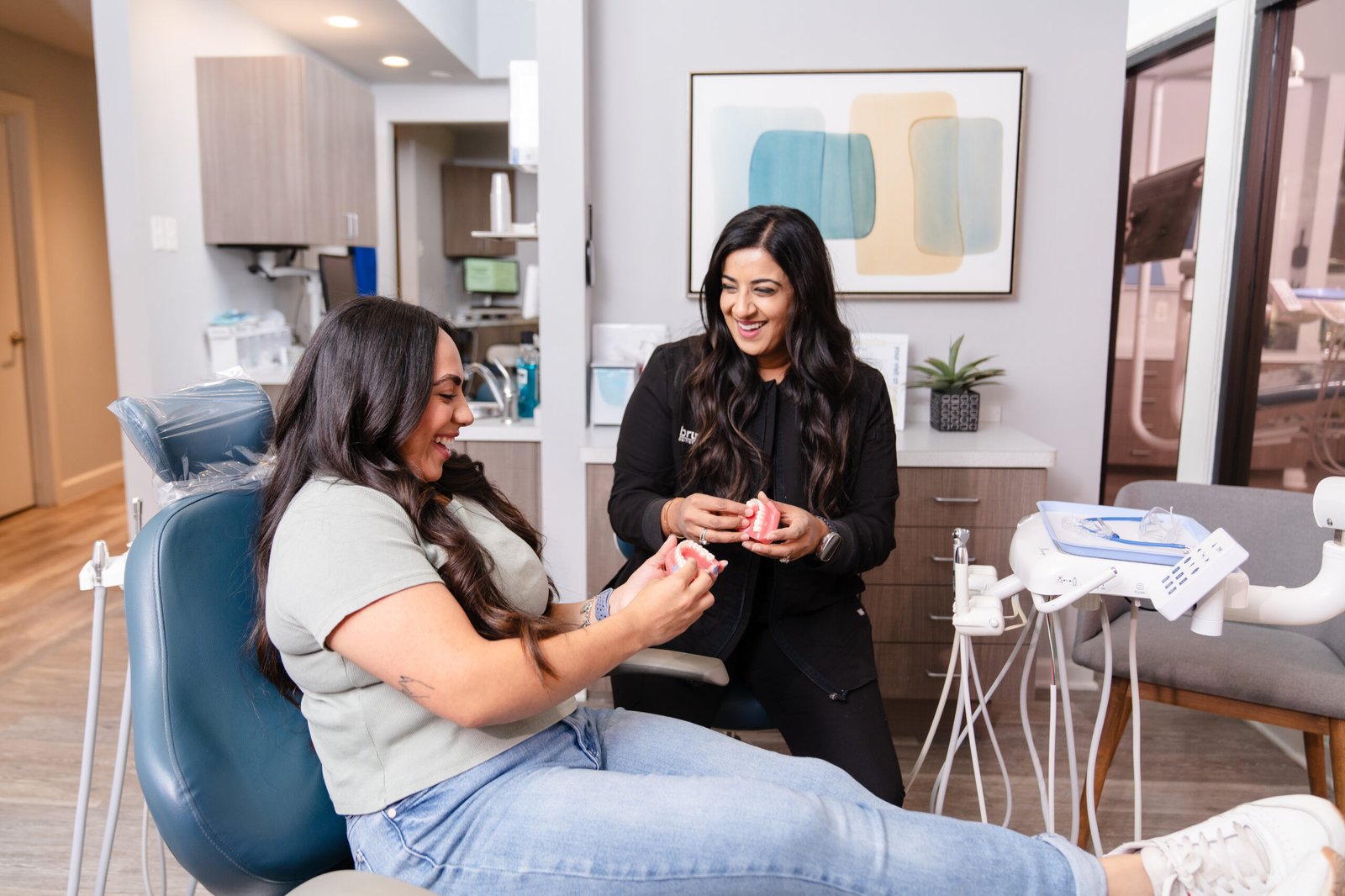
A dental injury visit is different from a routine dental appointment. The provider needs to understand what happened, what symptoms began after the injury, and how the teeth, gums, bite, and jaw are functioning now.
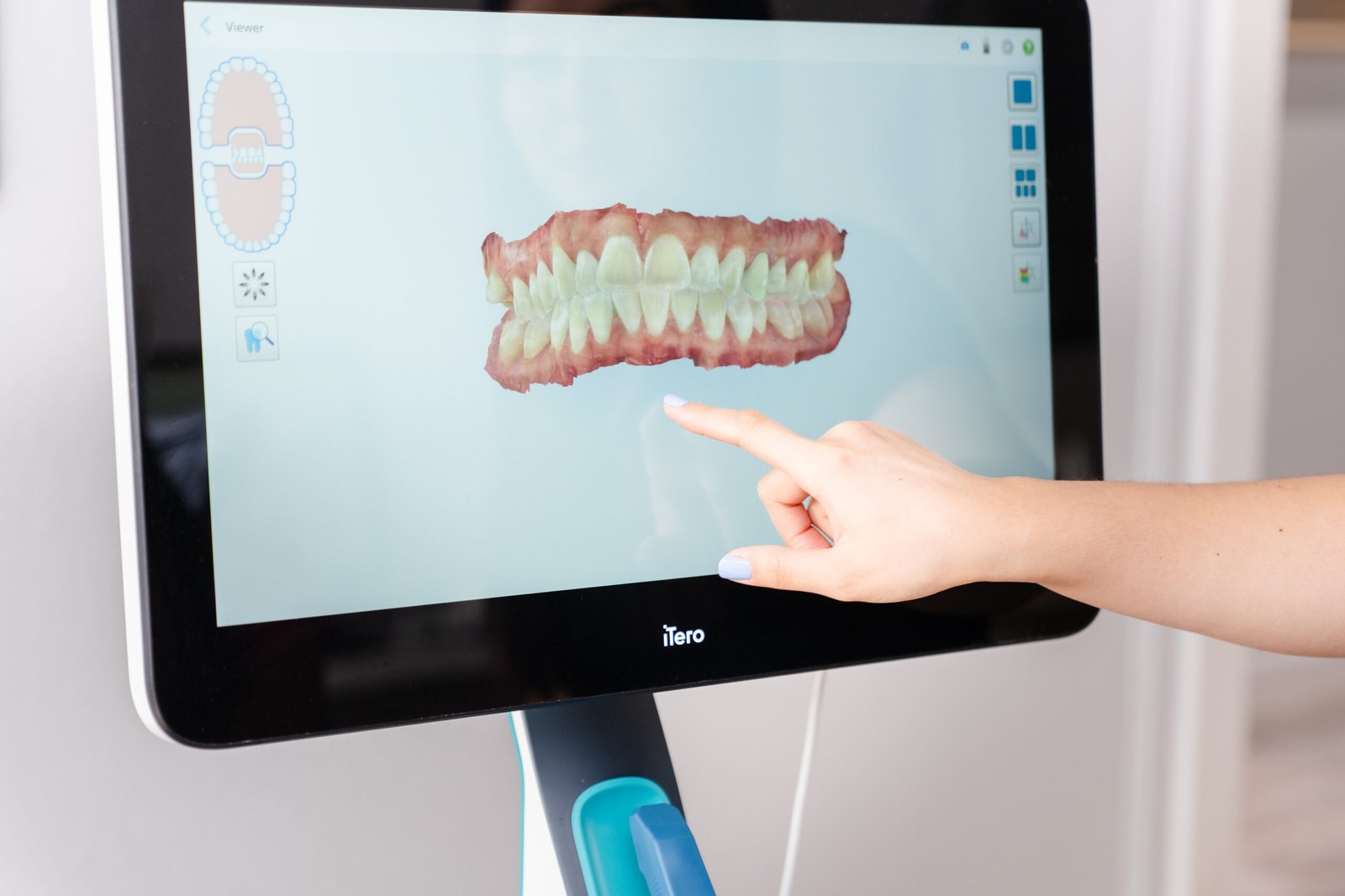
The visit may include an injury history, evaluation of painful or damaged teeth, jaw injury evaluation through bite assessment, soft tissue examination, emergency dental imaging when appropriate, nerve response testing when needed, and treatment recommendations based on the findings.
This helps separate urgent needs from concerns that may need monitoring. A broken tooth may need stabilization right away. A traumatized tooth may need follow-up testing before the final outcome is clear. A bite change may need attention before it places more pressure on injured teeth.
Start With Clarity
Dental injuries can feel stressful because the next step is not always obvious. Pain, insurance questions, other medical appointments, and uncertainty about the damage can make it easy to delay care.
Our team provides dental injury care in DFW for patients who need a structured place to start. Through evaluation, imaging when appropriate, documentation, treatment planning, and follow-up care, we provide comprehensive dental trauma care to help patients understand what happened and what should happen next.
If you have experienced dental trauma and are unsure who to call first, begin with a dental injury evaluation with brush365 Dental Injury. Getting clarity early can help protect your teeth, reduce delays in care, and make the next step easier to understand.