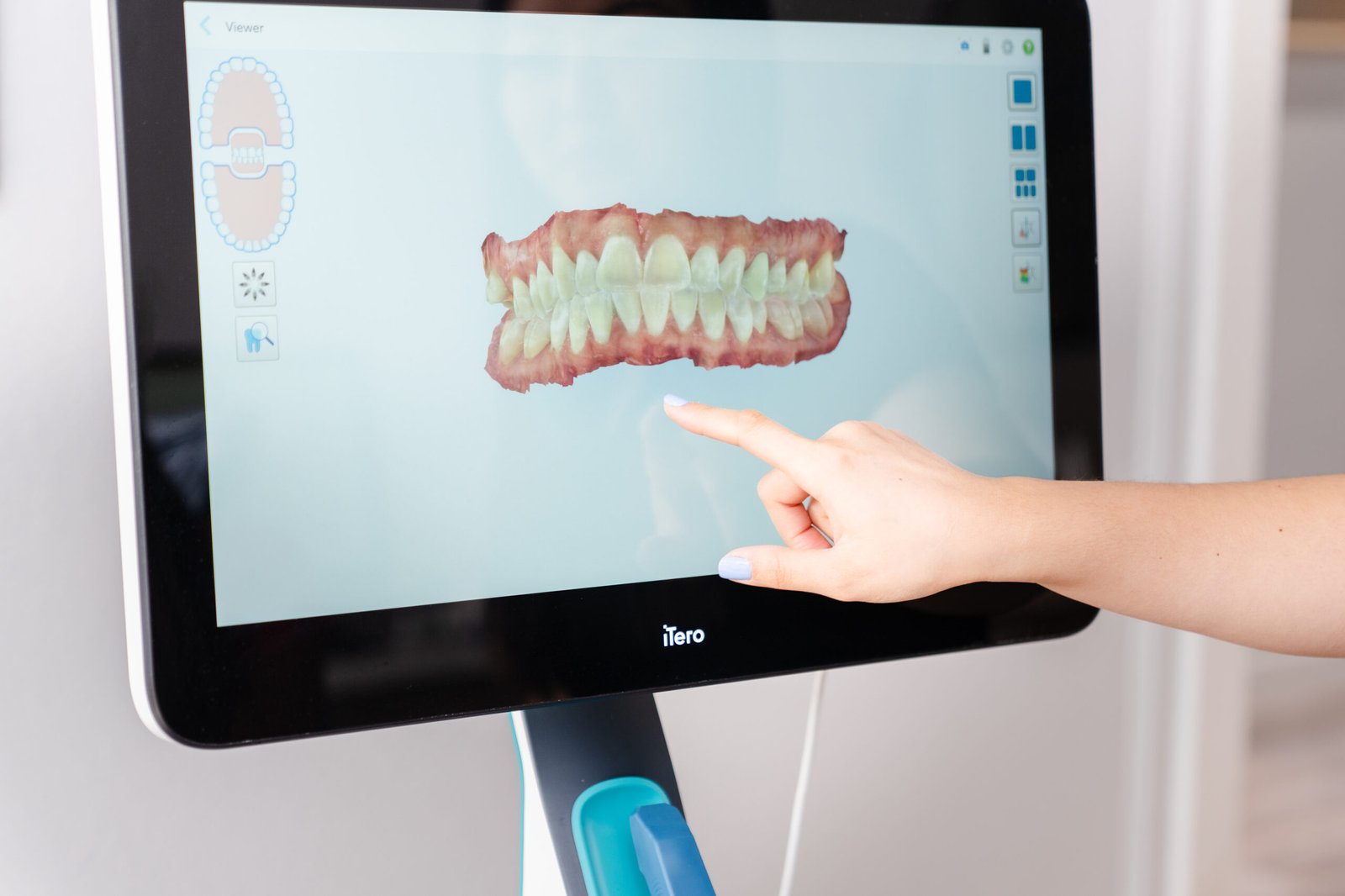

When a dental injury is part of an insurance claim or legal case, patients often wonder whether they should wait for a settlement before moving forward with treatment. How treatment is paid for may depend on the case, including whether care involves PIP or a Letter of Protection.
In many cases, the answer is no. A claim may remain open for months, while a fractured, loose, painful, or otherwise damaged tooth may need attention much sooner. Waiting for the case to resolve can allow certain injuries to become more difficult to treat or limit the options available later.
That does not mean every procedure should be completed immediately. Some injuries need prompt treatment, while others need time to heal before a permanent decision can be made. The timing should follow the condition of the teeth and supporting tissues rather than the settlement date.
Why Waiting Can Change the Dental Outcome
Some dental injuries are relatively stable. Others can worsen when they are left untreated.
A cracked tooth may fracture further under normal chewing pressure. A loose or displaced tooth may need stabilization after dental trauma before permanent treatment is considered. Damage to the nerve or supporting tissues can also become more apparent in the days or weeks after the accident.
This is why an evaluation should happen early even when the larger case is still unresolved.
The first visit does not automatically commit the patient to extensive treatment. It establishes what was injured, what needs protection, and whether any part of the condition requires prompt care.
What Treatment Can Begin Before Settlement
Some patients may only need evaluation and monitoring at first. Others may need stabilization, treatment for pain or infection, repair of a damaged tooth, or another procedure intended to prevent further deterioration.
Permanent restorative work can sometimes begin as well when the condition is clear and the tissues are ready for treatment.
The important distinction is that the dentist is responding to the clinical condition rather than waiting for an outside process to reach its conclusion. When an LOP is involved, dental injury financing may allow qualifying treatment to proceed while payment is deferred according to the arrangement associated with the case.
At brush365 Dental Injury, dental injury treatment timelines are planned around what the teeth and supporting structures need at each stage. That may mean treating one issue promptly while allowing another part of the case more time before making a permanent decision.
Why Some Final Treatment Still Needs Time
Starting care early does not mean rushing into the final restoration. Trauma can affect the nerve, bone, bite, and surrounding tissues in ways that are not always predictable at the first visit. A tooth may need to be watched before the dentist knows whether a crown, root canal, extraction, implant, or another treatment is appropriate. This is also why treatment order after a dental injury matters: stabilization, monitoring, and permanent restoration may need to happen at different stages.
That is where timing becomes clinical rather than administrative.
Some treatment should happen quickly because waiting creates risk. Other treatment is intentionally delayed because the area needs time to heal before the next decision can be made.
BDI structures injury care around that distinction, with treatment progressing as the condition becomes clearer rather than forcing every decision into one appointment or postponing everything until the case is over.
If your legal or insurance case is still open, schedule an evaluation with our dental injury team. We can determine what needs treatment now, what can safely be monitored, and which decisions should wait until the area has had more time to heal.