Dental trauma does not always show its full impact right away. After a fall, car accident, sports injury, workplace incident, or blow to the face, a tooth may look stable at first. Pain may be mild. Nothing may appear broken. Then days or weeks later, chewing starts to feel uncomfortable, a tooth becomes sensitive, the bite feels different, or the tooth begins to darken.
That is why follow-up care matters after a dental injury. At brush365 Dental Injury, dental trauma consultations are structured around evaluation, documentation, monitoring, and clear next steps so changes can be identified early and managed responsibly.
Dental Injuries Can Change Over Time
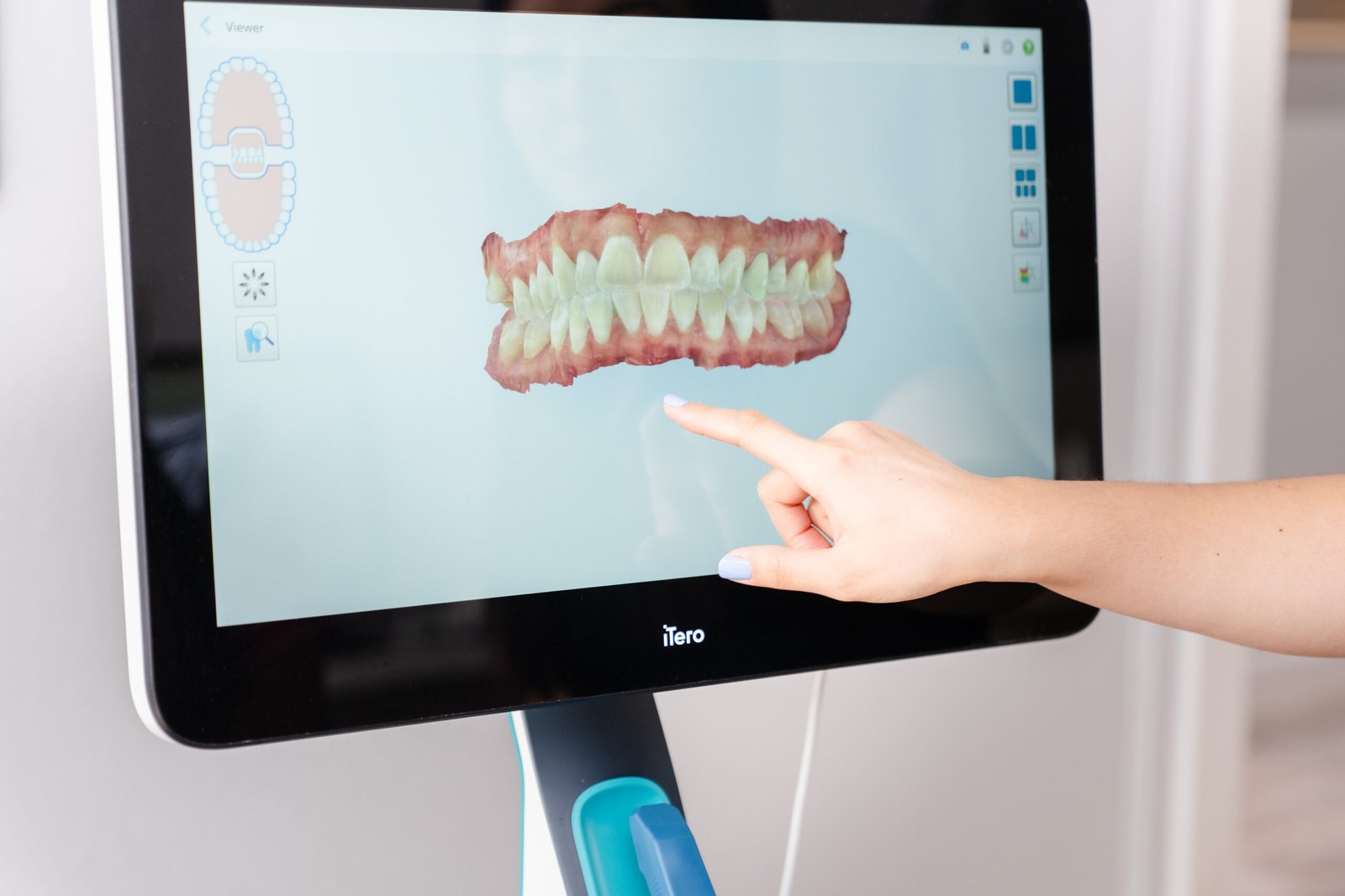
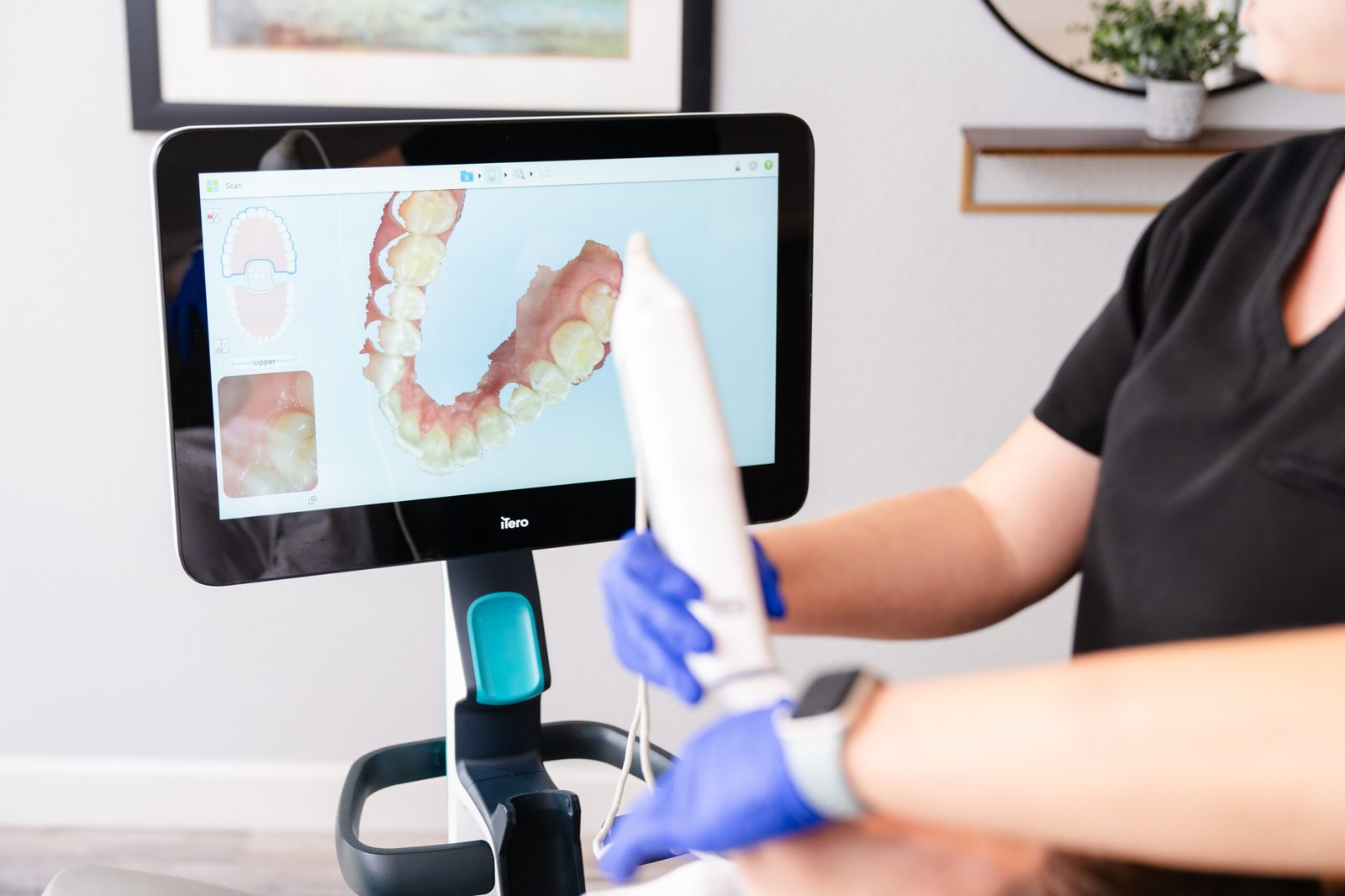
The first dental injury exam creates an important baseline. It helps identify visible fractures, looseness, displaced teeth, soft tissue injuries, bite changes, and early signs of nerve or root involvement. Emergency dental imaging may also be used when damage is not visible during a visual exam.
Trauma cases can continue to evolve after that first visit. Swelling may settle and reveal new tenderness. A small crack may become more noticeable when chewing. A tooth that was hit may begin to discolor if the nerve changes. Sensitivity may increase even if the tooth seemed fine at first.
Follow-up visits allow the dental team to compare the current condition with the original findings. That comparison helps determine whether the tooth is healing, staying stable, or showing signs that the treatment plan needs to change.
Bite Pressure and Nerve Changes Need Monitoring
When one tooth absorbs too much pressure, pain can linger or worsen during normal eating and clenching. Follow-up care gives the provider a chance to check how the teeth are meeting and decide whether adjustment, temporary restorations after injury, or additional treatment is needed.
After trauma, even a small change in bite pressure can affect healing. In some cases, a jaw injury evaluation helps determine whether the bite, jaw joint, or surrounding structures are contributing to ongoing symptoms.
Nerve response is another reason follow-up matters. Dental trauma can affect the pulp, which is the inner nerve and blood supply of the tooth. Sometimes the nerve recovers. Other times, it becomes inflamed, damaged, or non-vital over time.
This may not happen immediately. A patient may first notice lingering hot or cold sensitivity, spontaneous pain, swelling near the gumline, tenderness when biting, or a tooth that starts to darken. Repeated testing and comparison over time can help determine whether the tooth needs continued monitoring or treatment such as root canal therapy.
Make Follow-Up Part of the Treatment Plan
Dental trauma should not always be treated as a one-time event. Teeth, nerves, bite pressure, gums, and supporting structures need time to show how they are responding after an injury.
Follow-up visits help the dental team monitor changes that may not have been clear at the first appointment. A tooth may become more sensitive, a bite may feel different, or chewing may start to cause discomfort after the initial swelling or soreness has settled. Catching those changes early can make treatment decisions clearer and more timely.
These visits also create a useful record of how the injury is progressing, especially when the dental trauma is connected to an accident, workplace incident, insurance matter, or legal claim. But the main purpose is care: understanding what is changing, what needs attention, and what can continue to be monitored.
brush365 Dental Injury provides structured evaluations and follow-up care for patients who need clarity after trauma. If you have experienced a dental injury, schedule an evaluation with our team today to begin comprehensive dental trauma care and stay consistent with recommended follow-up visits so changes can be identified early and managed with the right next steps.