Dental injuries after an accident are often described as chipped teeth, broken crowns, or visible damage. But the impact can go beyond what you see in the mirror.
A damaged tooth, sore jaw, injured gum, or changed bite can affect how you eat, speak, smile, sleep, and move through the day. Even a small change in the mouth can feel noticeable because the teeth and jaw are involved in so many daily functions.
Treatment is not only about repairing appearance, but also about restoring comfort, function, confidence, and the ability to use your mouth normally again. A dental trauma consultation helps determine the most appropriate path toward that recovery.
How Dental Trauma Can Affect Eating
Eating can become difficult after an accident-related dental injury, even when the damage looks minor.
A cracked tooth may hurt when pressure is applied. A loose tooth may feel unstable. A bruised ligament around the tooth can make biting painful. Jaw soreness may make it harder to open wide enough to chew comfortably.
Many patients begin adjusting without realizing it. They chew on one side, choose softer foods, avoid cold drinks, or stop biting into foods with the front teeth. These small changes can quickly affect daily routines.
Over time, avoiding the injured area can create more strain. Chewing mostly on one side may irritate the jaw. Delaying care can allow cracks, sensitivity, or infection to worsen. If eating has changed after an accident, it is worth having the teeth, bite, and jaw evaluated.
Restorative treatment may include bonding, tooth-colored restorations, dental crown treatment after injury, bite adjustment, root canal treatment, or replacement planning if a tooth cannot be saved. The right option depends on the injury and how the tooth functions when you chew.
How Injuries Can Change Speech and Jaw Comfort
Teeth help shape sounds. When a front tooth is chipped, shifted, missing, or temporarily repaired, speech may feel different. Some patients notice a lisp, altered pronunciation, air passing through a new gap, or discomfort when forming certain sounds.
Jaw trauma can also affect speaking. After an accident, inflammation or muscle guarding may make it harder to open and close the mouth normally. This can lead to soreness during conversations, fatigue while talking, or tension around the jaw, temples, and face.
A dental injury evaluation should look beyond the surface of the tooth. Jaw injury evaluation, bite alignment, jaw movement, soft tissue injuries, and how the teeth contact each other all matter. Even a small bite change can affect comfort throughout the day.
Why Confidence Is Part of Recovery
Visible dental injuries can affect confidence quickly. A chipped front tooth, broken crown, missing tooth, or darkening tooth after trauma may make someone hesitant to smile, speak, go to work, or appear in photos.
That reaction is understandable. Dental injuries can change both function and appearance suddenly, often during an already stressful time.
Cosmetic improvement may be part of treatment, but it should be connected to function. A front tooth repair should look natural and support biting and speech. A crown should improve appearance while protecting the tooth from further fracture. A bridge or dental implant after trauma should fill the space and help restore chewing balance.
When care is planned properly, the goal is not only to restore the smile. It is to help daily life feel normal again.
Schedule an Accident-Related Dental Evaluation With brush365 Dental Injury
After an accident, the most visible dental problem is not always the most serious one. A small chip may be simple to repair, while a tooth with no visible crack may still have nerve trauma. A crown may look intact but hurt when biting. Jaw soreness may point to bite changes, muscle strain, or joint irritation.
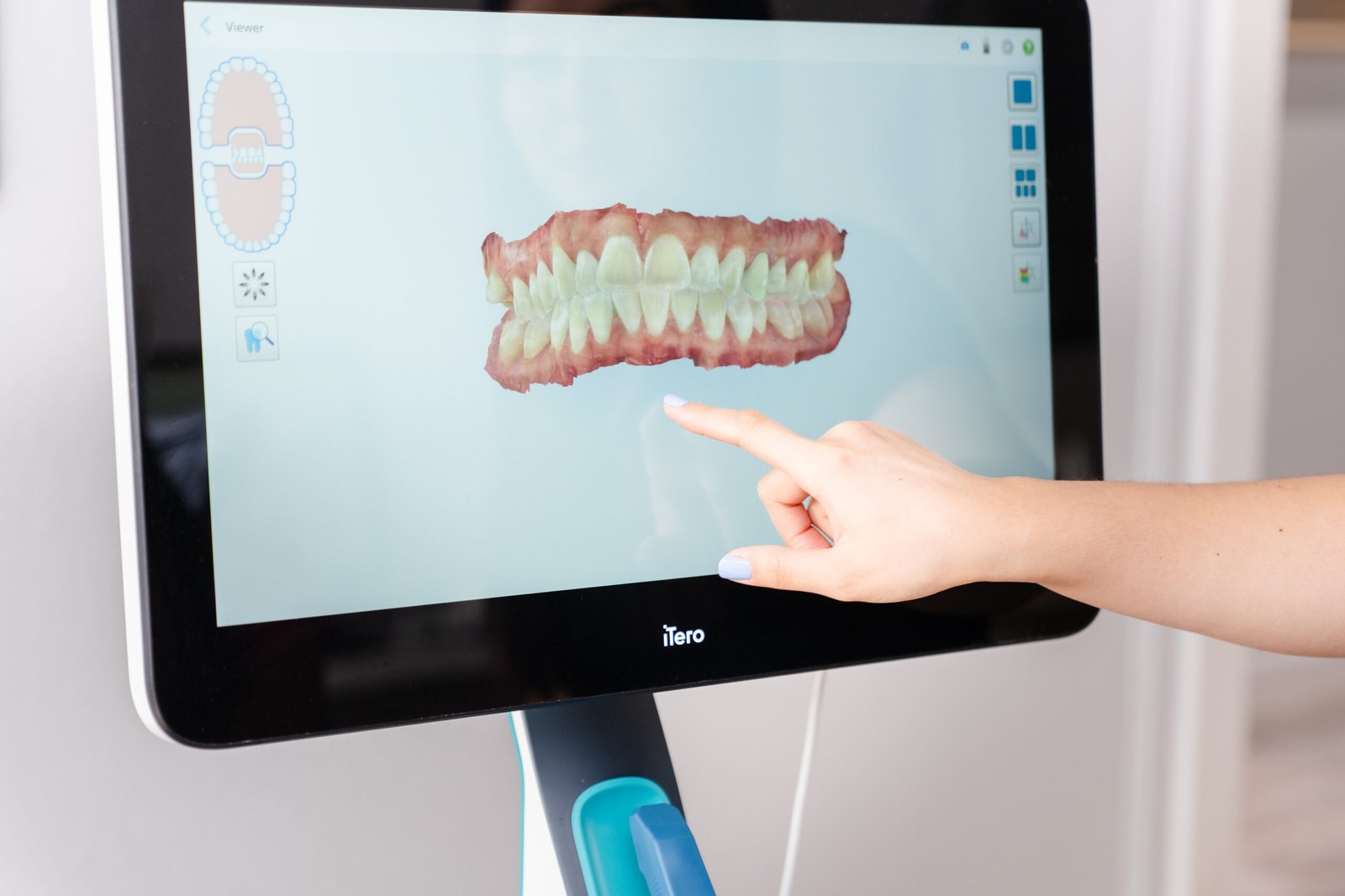
That is why accident-related dental care should start with a careful evaluation. Imaging, documentation, bite assessment, and follow-up planning may all be part of understanding how the injury affected the mouth as a whole.
Depending on the findings, treatment may include tooth-colored restorations, crowns, root canal treatment, tooth replacement options, bite adjustment, or monitoring for delayed symptoms. The goal is to restore comfort, appearance, and daily function, not simply repair one visible area.
Dental injuries can affect eating, speaking, confidence, and long-term oral health after an accident. Schedule an evaluation with our team to begin comprehensive dental trauma care, identify the injury, document the findings, and start a treatment plan that helps you return to normal daily function.