
Losing a tooth in a car accident, fall, sports injury, or other traumatic event can be overwhelming. Beyond the visible gap, the impact may also affect the surrounding bone, gum tissue, neighboring teeth, or the way your bite comes together.
Dental implants after trauma are often considered because they replace the missing tooth without depending on the teeth beside it for support. Before moving forward, the injured area needs to be evaluated carefully. The condition of the bone and gums, the presence of infection, and any additional trauma will shape both the timing and the treatment plan.
What Happens First After Traumatic Tooth Loss?
A missing tooth may be only one part of the injury.
The dentist will check the socket, nearby teeth, gums, jawbone, and bite for damage that may not be immediately visible. Emergency dental imaging may also be used to look for fractures, bone loss, infection, or changes below the surface.
When a permanent tooth has been completely knocked out, knocked-out tooth treatment may sometimes include replantation if treatment begins quickly. How the tooth is handled and how much time has passed can make a major difference. When saving the tooth is no longer possible, care shifts toward protecting the area and planning a stable replacement.
A temporary restoration after injury may be placed during healing, especially when the missing tooth is visible. This allows the area time to recover without leaving the patient with an open space.
Implant Timing and Bone Grafting After an Accident
Some dental implants can be placed at the same time a damaged tooth is removed. Immediate placement may shorten the overall process and help preserve the natural shape of the gums and bone, but the site needs enough healthy, stable bone to support the implant.
When trauma has damaged the socket, caused significant inflammation, or left active infection, the area may need time to heal first. A delayed approach also allows the dentist to monitor recovery and rebuild lost bone before implant placement when needed.
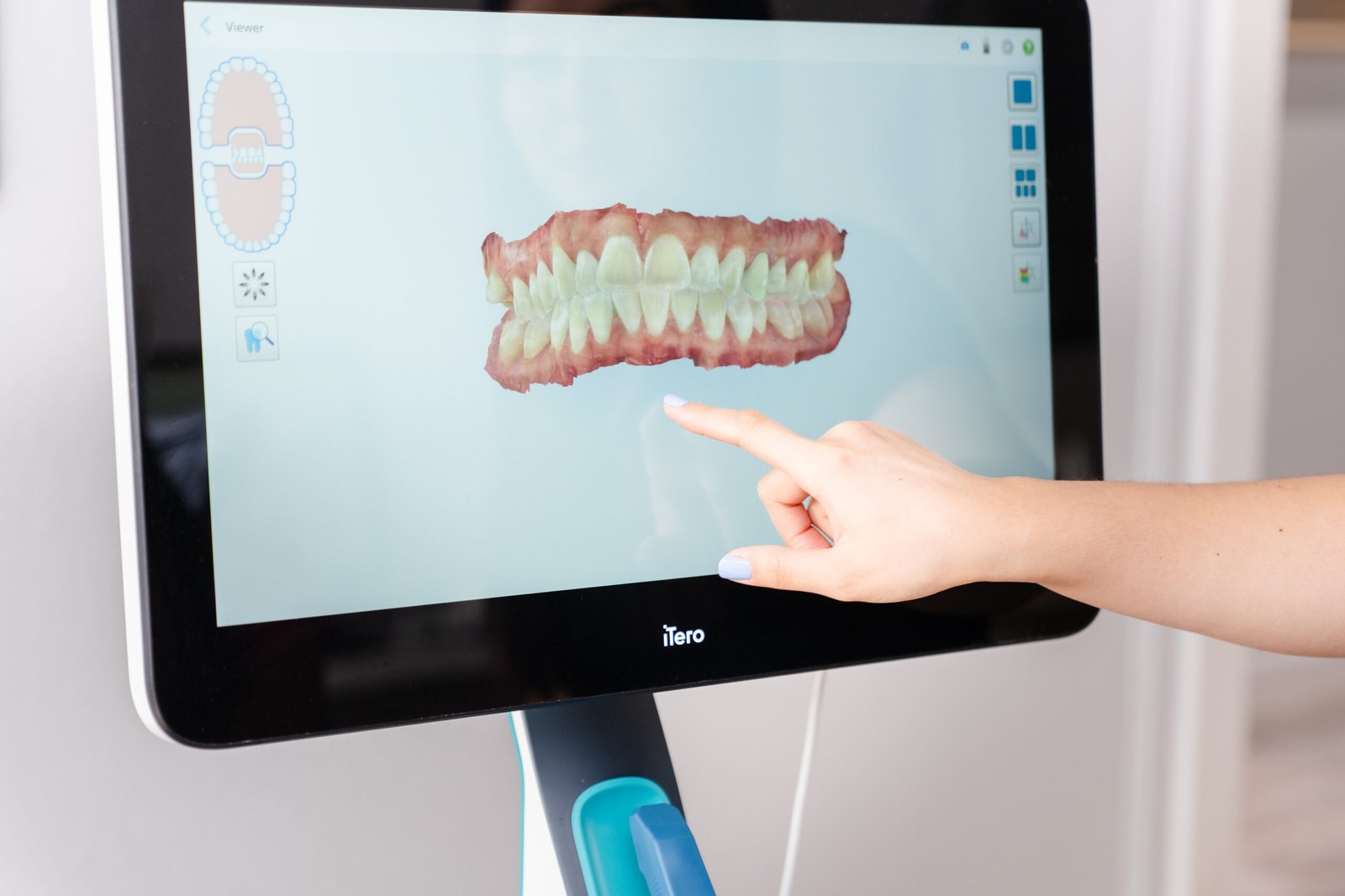
Bone grafting may be completed when the damaged tooth is removed, during implant surgery, or as a separate procedure beforehand. Three-dimensional imaging helps the dentist measure the available bone, evaluate nearby roots and nerves, and determine the sequence most likely to support a stable, natural-looking result.
Replacing One Tooth or Several Teeth
A single missing tooth is commonly replaced with one implant and a custom crown. The crown is designed to restore appearance, chewing function, and the way the tooth fits into the bite.
When several neighboring teeth are lost, an implant-supported bridge may be recommended. This approach can replace multiple teeth using fewer implants while avoiding unnecessary treatment to healthy adjacent teeth.
More extensive injuries may require several phases of care. Restorative, surgical, or root canal treatment may need to be coordinated to address the full effect of the accident, rather than focusing only on the visible gap.
At brush365 Dental Injury, trauma-related implant planning begins with a detailed evaluation of the teeth, gums, bone, and bite. Our team explains what was affected, whether the site needs time to heal, and which replacement options may provide the most predictable result.
If you lost a tooth in an accident, schedule a dental injury evaluation with us today to begin comprehensive dental trauma care. Early assessment can help protect the area, document the injury, and give you a clear path toward restoring your smile.