After a car accident, most people think first about the neck, back, shoulders, or visible injuries. The mouth can be affected too.
Force from a collision can travel through the jaw, teeth, gums, and bite, even when nothing looks broken right away. A tooth may feel fine at first and become sensitive days later. The jaw may start clicking. Chewing may feel different. A crown, filling, or veneer may feel “off” without an obvious crack.
That is why car accident dental injury treatment should start with a focused evaluation. The goal is to identify what was damaged, document findings clearly, relieve discomfort, and restore the teeth and bite in the right order.
Why a Dental Evaluation Matters After a Car Accident
Dental injuries are not always easy to see. Adrenaline, swelling, soreness, and other injuries can make it difficult to notice oral symptoms right away. Some problems also develop slowly, especially when the tooth nerve, root, jaw joint, or bite has been affected.
After a car accident, patients may notice:
- Tooth sensitivity
- Pain when biting or chewing
- A chipped, cracked, loose, or shifted tooth
- Jaw soreness or limited opening
- Gum, lip, or soft tissue injuries
- A change in how the teeth come together
- Damage to crowns, bridges, veneers, fillings, or implants
- A tooth that becomes darker over time
Even small changes are worth checking. A visual exam alone may not show the full injury, especially when damage is below the surface. Digital X-rays or emergency dental imaging may be needed to evaluate the tooth root, surrounding bone, and jaw structures.
What Happens During an Accident-Related Dental Exam
A dental injury evaluation looks at more than the tooth that hurts. It also checks how the teeth, bite, jaw, gums, and existing dental work were affected by the accident.
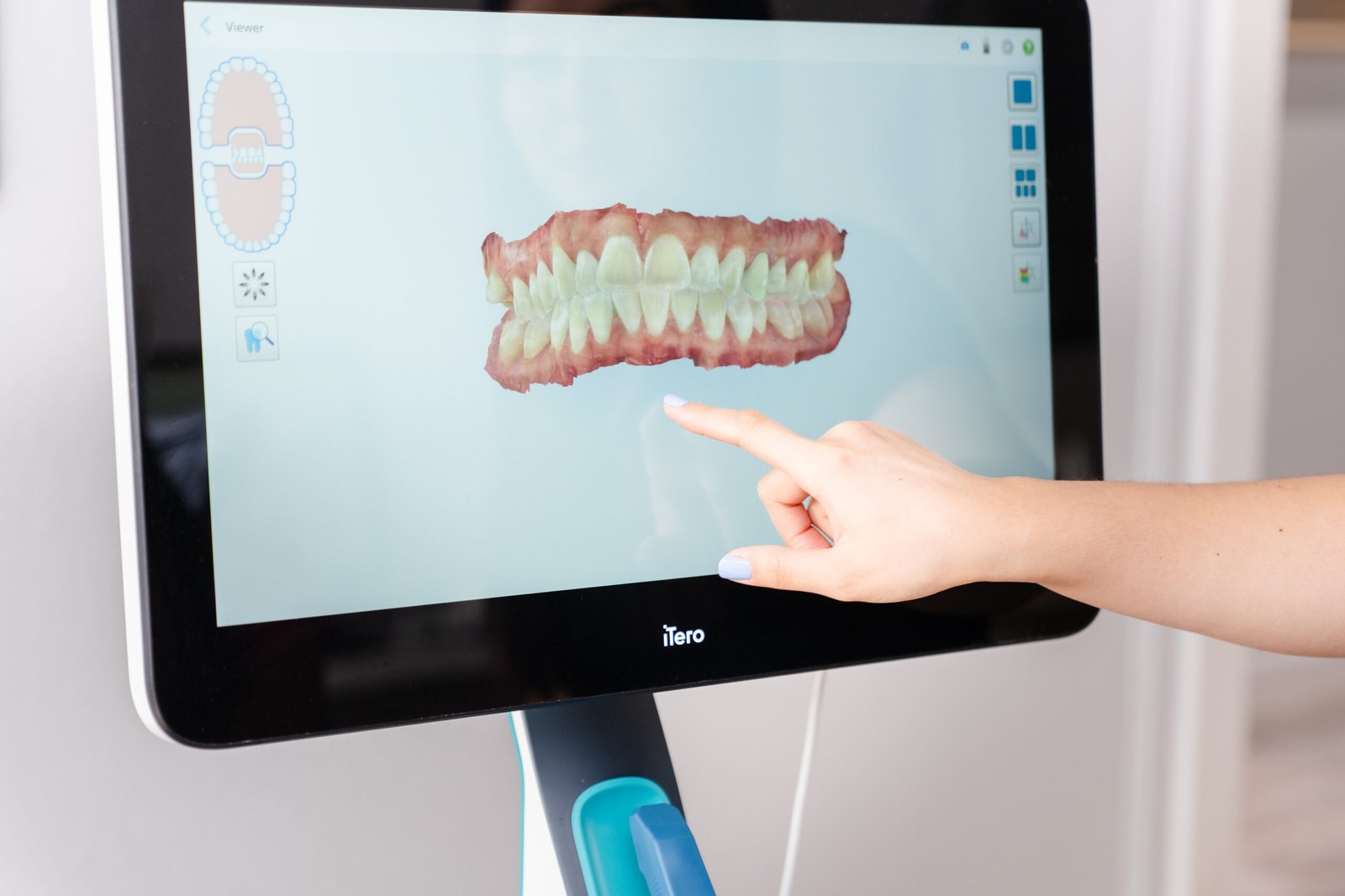
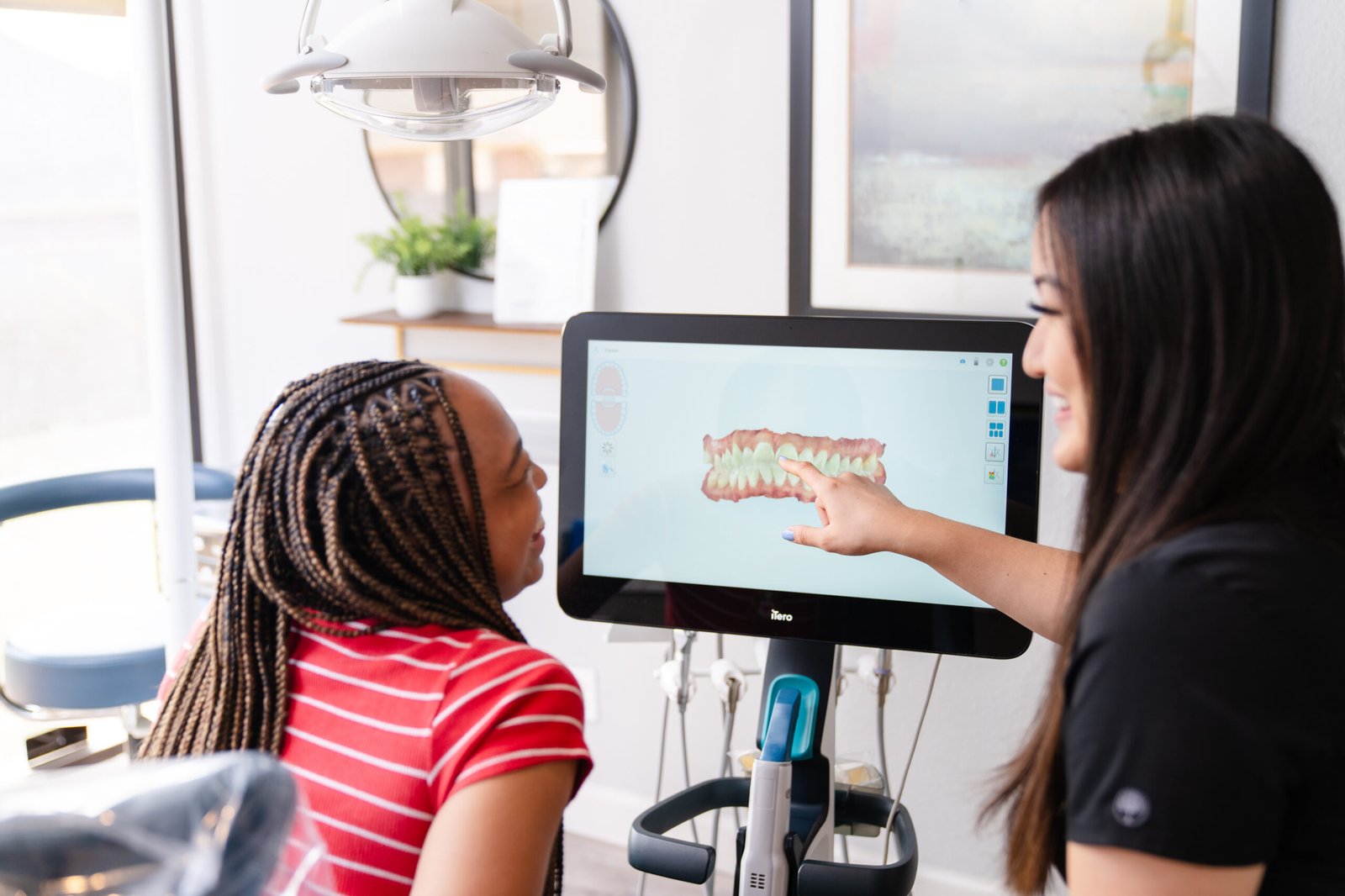
The visit may include a review of the accident and symptoms, a clinical exam, bite evaluation, jaw movement assessment, digital imaging, photos, and documentation of visible injuries. Existing crowns, fillings, veneers, bridges, or implants may also be checked for cracks, looseness, or changes in fit.
This creates a clear baseline. That matters because dental trauma can change over time. A tooth that looks stable today may become painful later if the nerve was injured. A small crack may deepen with chewing. A bite change may place extra stress on the jaw or surrounding teeth.
Good documentation helps guide care and makes it easier to monitor changes if symptoms develop after the first visit.
Restoring Teeth After Accident-Related Damage
Treatment depends on the type of injury, how severe it is, and whether the tooth, nerve, bite, or surrounding structures were affected.
Small chips may be repaired with bonding or tooth-colored restorations. Larger fractures may need dental crown treatment after injury to protect what remains of the tooth. If the nerve was damaged or infection has developed, root canal treatment may be needed before the final restoration is placed.
In more serious cases, a tooth may not be repairable. If removal is necessary, replacement options such as dental implants after trauma or a bridge can be discussed once the area is stable and ready for the next step.
Accident-related dental care often happens in phases. The first priority is to relieve pain, stabilize the injury, treat infection when present, and protect the damaged area. Once symptoms, swelling, or sensitivity are better understood, the dentist can plan the final restoration more accurately.
This timing matters. Some injuries need immediate attention, while others need to be monitored before a long-term decision is made. A phased approach helps avoid rushing treatment before the full injury is clear, while still making sure serious issues are not missed.
The goal is a restoration that does more than improve appearance. It should support chewing, protect the tooth, keep the bite stable, and reduce the risk of future fracture or infection.
Schedule a Dental Injury Evaluation With brush365 Dental Injury
Dental injuries after a car accident should not be left to guesswork. Even when the damage is not obvious, a focused evaluation can help identify what happened and what needs to be done next.
brush365 Dental Injury provides dental injury evaluations and restorative planning for patients with accident-related tooth, bite, and jaw concerns. Schedule an appointment with our team today to begin comprehensive dental trauma care, document the injury, understand the damage, and follow a treatment plan designed to restore comfort, function, and long-term oral health.