Dental injuries often feel like they should be simple. A tooth chips, cracks, loosens, or starts hurting after an accident, and the goal seems obvious: fix the damage and stop the pain.
But trauma-related dental care is not always that straightforward. After an accident, the tooth may not show the full extent of injury right away. A small chip may also involve nerve irritation. A loose tooth may need time to stabilize before a permanent repair is placed. A bite that feels “off” may point to deeper trauma affecting the tooth, jaw, or surrounding bone. This is why a dental trauma consultation is often the first step toward understanding the full scope of the injury.
At brush365 Dental Injury, treatment is approached in phases because the goal is not just to make the tooth look better. The goal is to protect the tooth, restore function, document the injury clearly, and support a lasting outcome.
The First Visit Is About Answers and Stabilization
The first appointment after a dental injury is focused on understanding what happened and reducing immediate risk.
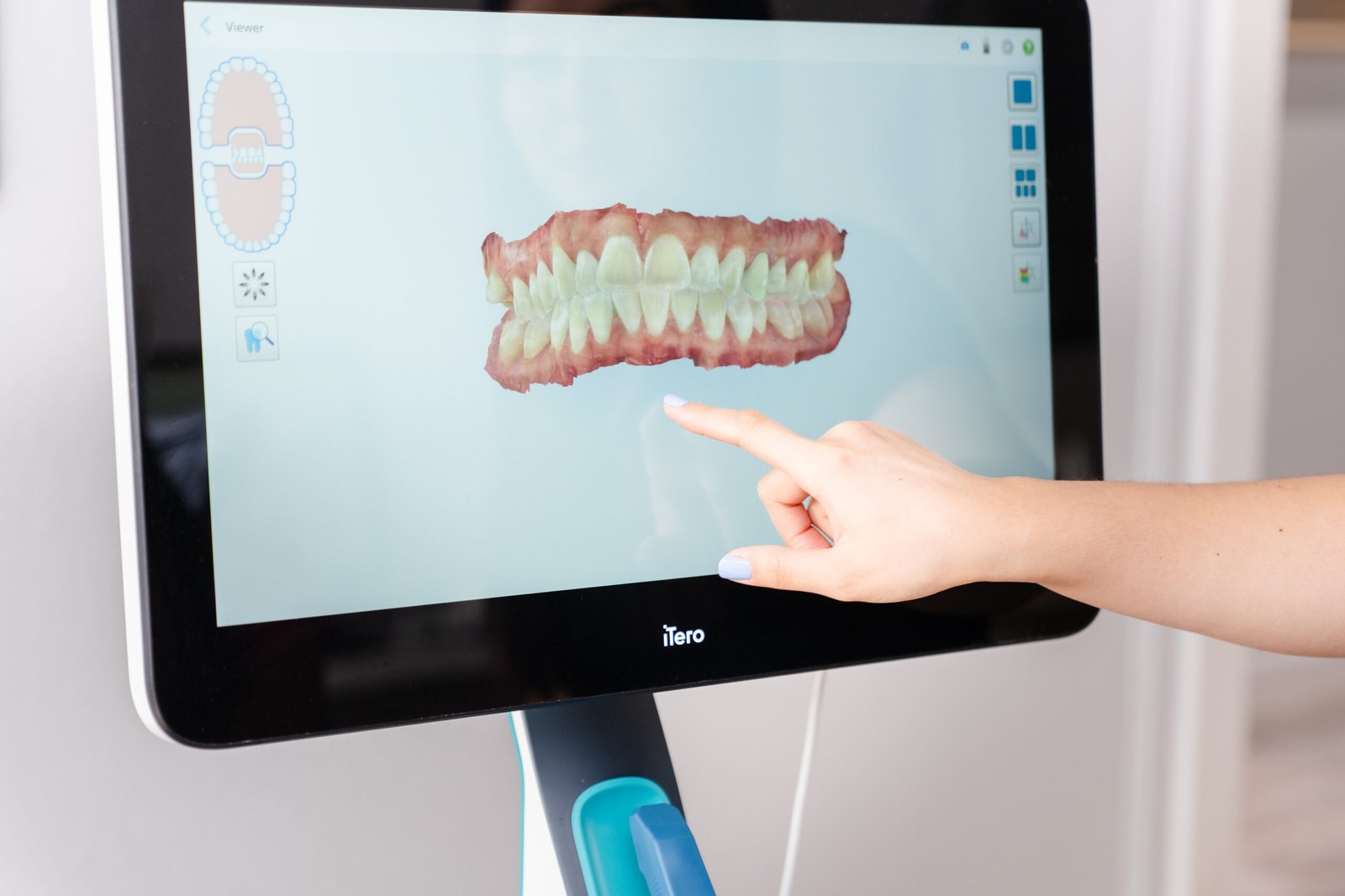
This visit may include a clinical exam, digital X-rays, bite evaluation, photographs, and documentation of the injury. In more complex cases, emergency dental imaging may be recommended to see what is happening beneath the surface.
That first visit is not always the right time for a permanent restoration. The tooth, gums, jaw, or surrounding bone may still be inflamed or unstable. Moving too quickly can lead to the wrong treatment decision.
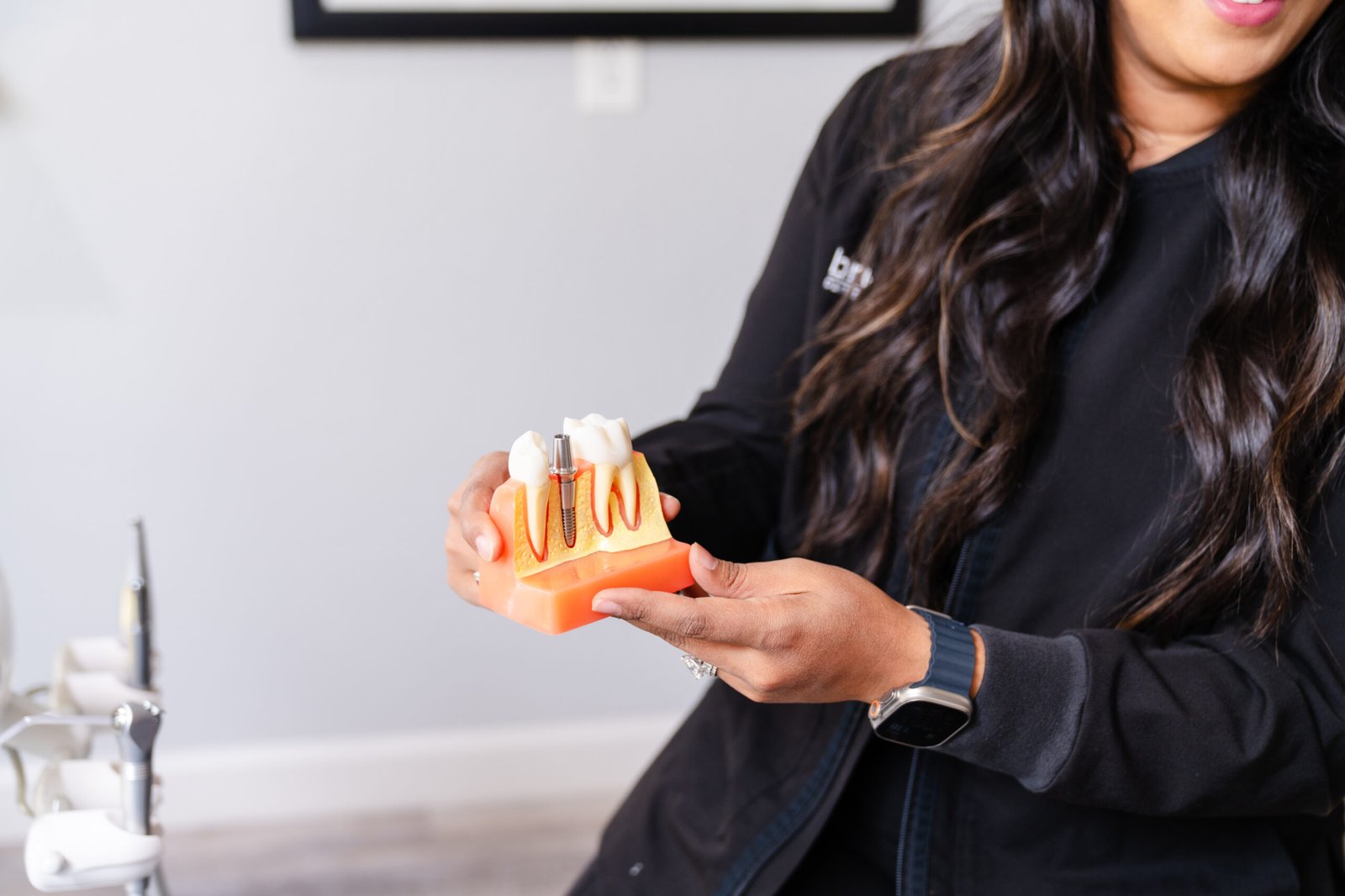
Initial care may involve smoothing a broken edge, placing temporary restorations after injury, managing pain or swelling, checking whether the tooth has shifted, and evaluating whether the nerve or root may be affected.
The priority is clarity. Once the dental team understands the injury, they can decide whether the tooth can be restored right away, needs monitoring, requires root canal therapy, or may need a longer-term replacement plan.
Dental Trauma Can Change After the Accident
One of the main reasons dental injury treatment takes more than one visit is that symptoms can develop over time.
A tooth may look mostly normal at first but still have internal damage. A crack may become more noticeable later. Sensitivity can increase. Discoloration may appear. Pain when biting may develop days or weeks after the accident.
Follow-up visits allow the dental team to reassess the tooth once inflammation settles and symptoms become clearer. These appointments may include checking tooth vitality, monitoring sensitivity, watching for infection, evaluating bite changes, and confirming whether a temporary repair is holding.
This step matters because the best treatment plan is not always obvious on the first day. In cases involving fractured tooth treatment, a cracked or weakened tooth may eventually need a crown. A damaged nerve may require root canal treatment. In other cases, monitoring may show that a more conservative option is enough.
Phased Treatment Helps Protect the Final Result
A single-visit repair may feel more convenient, but it is not always the safest choice after dental trauma. If a final restoration is placed too early and the tooth later shows nerve damage, bite instability, or a deeper fracture, the treatment may need to be redone. Phased care helps avoid that problem.
A typical dental injury plan may include emergency evaluation, short-term stabilization, follow-up monitoring, and then definitive treatment once the condition of the tooth is clearer.
That process helps prevent overtreating a tooth that may recover and undertreating a tooth that needs more protection. It also helps ensure the final result functions properly. A tooth is not fully restored just because it looks better. It also needs to fit the bite, handle chewing forces, and remain healthy over time.
When to Schedule Care After a Dental Injury
Dental injuries should be evaluated as soon as possible, even if the tooth does not hurt right away. Early care can help reduce complications, preserve treatment options, and create a clear record of the injury.
brush365 Dental Injury evaluates dental trauma with attention to diagnosis, documentation, treatment sequencing, and long-term stability. Whether you are dealing with a chipped tooth, cracked tooth, loosened tooth, bite change, swelling, sensitivity, or pain after an accident, the first step is a detailed evaluation.
Schedule a dental injury evaluation with us today to begin comprehensive dental trauma care if something feels different after an accident. Getting answers early can make treatment clearer, more manageable, and more effective over time.