
Losing a tooth in an accident creates a decision that is more complicated than simply choosing between an implant and a bridge.
The surrounding teeth may have been injured. The bone may have changed. The bite may no longer feel the same. Even the timing of the accident can affect when permanent replacement should happen.
Those details can make one option much more appropriate than the other. At brush365 Dental Injury, the recommendation is based on what the injury left behind and which replacement can be supported most predictably.
When an Implant May Be the Better Fit
A dental implant after trauma replaces a missing tooth without using the neighboring teeth for support. The implant is placed in the jawbone, where it acts as the foundation for the replacement tooth.
That independence can be a major advantage when the teeth on either side of the space are healthy. They generally do not need to be reshaped simply to replace the tooth that was lost.
The tradeoff is that the injury site has to be ready for implant treatment.
Trauma can damage or alter the bone around a missing tooth. Gum and soft tissue injuries may also affect how the area heals. Before implant placement is considered, the dentist needs to know whether there is enough stable bone to support it and whether the surrounding tissues are healthy enough for predictable treatment.
Sometimes the site is ready once the initial injury has healed. In other cases, additional healing or bone-related treatment may be necessary first. Patients can also learn more about dental implant options after losing a tooth in an accident and how treatment may be staged after trauma. Implant replacement can therefore involve a longer sequence, but that timeline may be worthwhile when preserving untouched neighboring teeth is an important consideration.
When a Bridge May Make More Sense
A bridge solves the same missing-tooth problem in a different way: instead of placing support within the bone, a traditional bridge uses dental crowns after injury on the neighboring teeth to hold the replacement tooth in position.
That can make a bridge particularly practical when those adjacent teeth already need significant restorative work. If they were damaged in the same accident, have large existing restorations, or already require crowns, incorporating them into a bridge may allow several restorative needs to be addressed together.
A bridge is less straightforward when both neighboring teeth are healthy. Preparing them for crowns requires removing natural tooth structure that otherwise may not need treatment.
Trauma also adds another consideration: the teeth beside the gap may have absorbed force even if they were not knocked out. Before they are asked to support a bridge, the dentist needs to confirm that their roots, structure, and surrounding support are stable enough to handle that role. Patients considering this option can also read more about whether a dental bridge can replace a tooth lost in an accident.
This is where the implant-versus-bridge decision becomes much more specific than simply comparing cost or treatment time.
What Ultimately Determines the Choice
Two patients can lose the same tooth and end up with different recommendations.
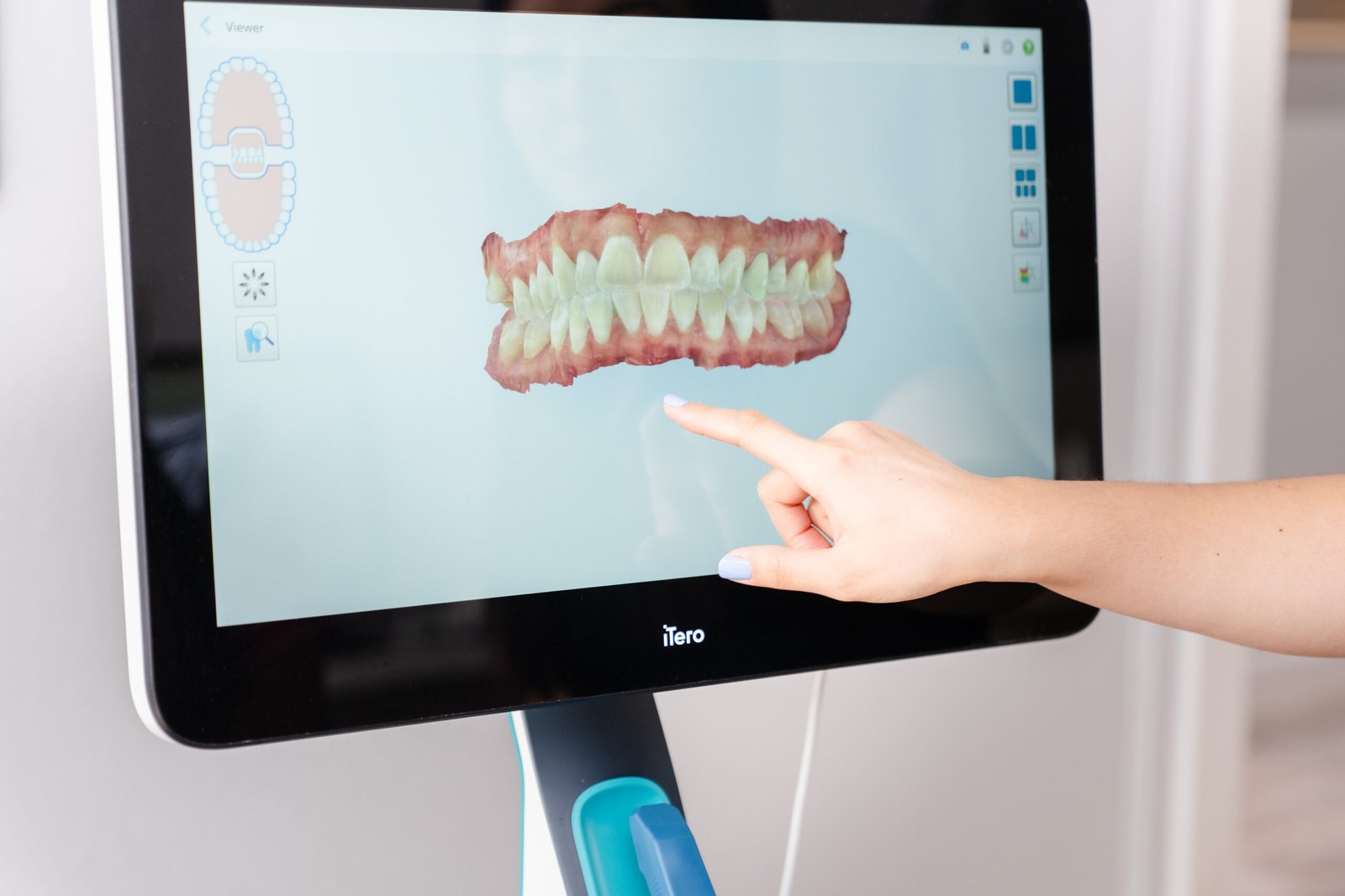
Healthy neighboring teeth and adequate bone may favor an implant. Damaged adjacent teeth that already need crowns may make a bridge more practical. Emergency dental imaging can help evaluate the bone, roots, and supporting structures before the final replacement plan is selected.
The choice depends on the condition left behind by the accident, not simply on which replacement is newer, faster, or more familiar.
At brush365 Dental Injury, the missing-tooth site, neighboring teeth, bite, and healing tissues are evaluated together before a final restorative plan is recommended.
If you lost a tooth in an accident and are weighing a dental implant against a bridge, schedule an evaluation with our team. We can determine which structures are healthy enough to support treatment and explain which option is more appropriate for the injury you experienced.