A tooth does not have to be cracked or broken for trauma to affect the way your bite feels.
After a fall, sports injury, car accident, or other impact to the mouth, the teeth may still look intact while chewing feels different. One tooth may seem to hit first, pressure may feel uneven, or the jaw may feel sore when the teeth come together.
Those changes can happen when the force of the injury affects the tissues around a tooth, shifts the tooth slightly within the socket, or alters how the upper and lower teeth meet. This is why bite changes after an accident should be evaluated, even when there is no obvious crack or broken tooth.
Why Your Bite Can Change After an Impact
Your bite depends on the teeth meeting in a precise relationship.
After trauma, even a small change in tooth position or swelling around the supporting tissues can make one area feel higher or more sensitive under pressure. In other cases, the jaw itself may be sore or moving differently after the impact. When both the tooth and jaw are affected after an accident, the dentist may need to consider tooth position, jaw movement, and the overall bite together.
Patients may notice discomfort when chewing, tenderness on one side, a tooth that contacts before the others, or the sense that the teeth no longer fit together the same way.
These symptoms can occur without a visible fracture, and a tooth that looks fine after an injury can still have underlying damage, which is why appearance alone may not explain what the patient is feeling.
What the Dentist Looks For During a Bite Evaluation
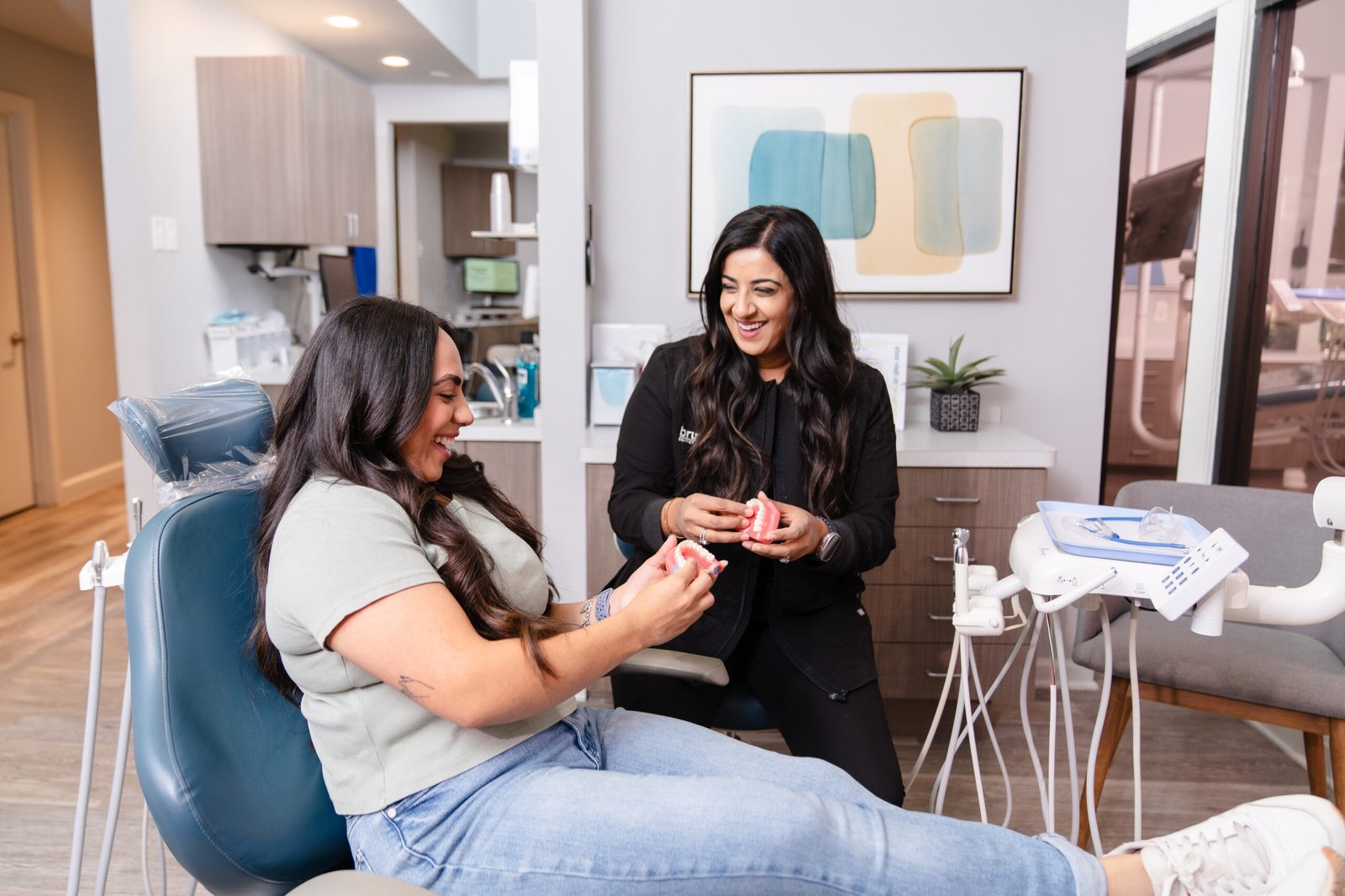
A bite evaluation focuses on how the teeth are contacting and whether the injured area is stable.
The dentist may check for tooth mobility, tenderness, changes in position, and areas where one tooth is taking more pressure than expected. The surrounding gums and tissues may also be examined for signs of injury.
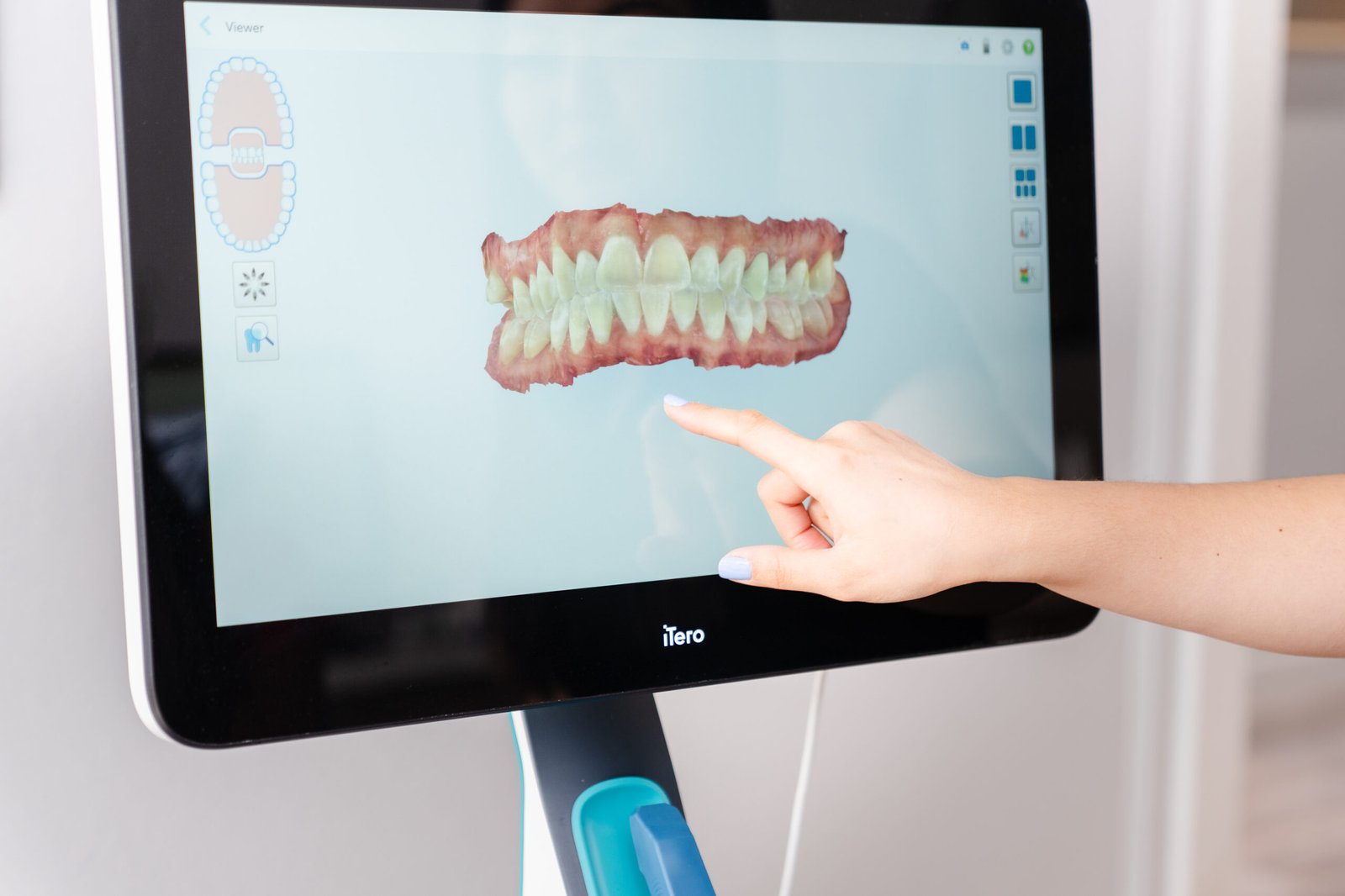
If there is concern about damage below the surface, 3D imaging may help evaluate dental trauma beneath the surface, including the tooth root or supporting bone when clinically appropriate.
The combination of these findings helps determine whether the bite change is related to swelling, tooth movement, injury to the supporting structures, or another effect of the trauma.
What Can Happen if the Bite Stays Uneven
A bite that feels different after an injury should be checked rather than assumed to correct itself.
If one tooth is carrying more pressure than usual, it may remain sore during chewing. Patients may also start avoiding one side of the mouth, which can make eating less comfortable.
The more important issue is understanding why the bite changed. An intact-looking tooth can still have an injury involving the tissues that support it, and that can influence whether the area needs treatment or follow-up.
If your teeth no longer come together normally after an accident, or one tooth suddenly feels higher, tender, or uncomfortable when you bite, schedule a dental trauma consultation with brush365 Dental Injury. A focused bite assessment can help identify what changed and whether the area needs treatment or monitoring.