
A single impact can create more than one dental problem at the same time.
One tooth may fracture while another becomes loose. The gums can be injured, the bite may shift, and supporting bone can also be affected. Because those injuries do not all require the same response, treatment starts with understanding how they relate to one another. When a dental injury affects multiple teeth, treatment planning has to account for how each injured area may influence the others.
At brush365 Dental Injury, the first step is to identify the full pattern of trauma so the most urgent problems can be addressed without overlooking injuries that may affect the next stage of care.
How One Impact Can Create Different Types of Injury
Dental trauma can involve several structures at once because the force of an accident does not always stay confined to one tooth.
A single impact may lead to:
- A chipped or fractured tooth
- A loose or displaced tooth
- Gum or soft tissue injury
- Damage to the supporting bone
- Changes in the bite
- Sensitivity or internal tooth injury that is not immediately visible
Some injuries are obvious right away. Others become apparent through tenderness, tooth movement, sensitivity, or changes in how the teeth come together.
That combination is what makes multi-tooth trauma different from treating an isolated chip or crack. Each injury has to be evaluated on its own while still considering how it affects the surrounding teeth and bite.
How the Dentist Decides What to Treat First
When several injuries are present, treatment order after a dental injury becomes especially important because stabilization, healing, and restorative work may need to happen in a specific sequence.
A displaced or highly mobile tooth may need attention before a cosmetic fracture. Bleeding or soft tissue injuries may need to be managed before restorative work begins. If the bite has changed, the dentist may also need to determine whether tooth movement or supporting bone injury is contributing to the problem.
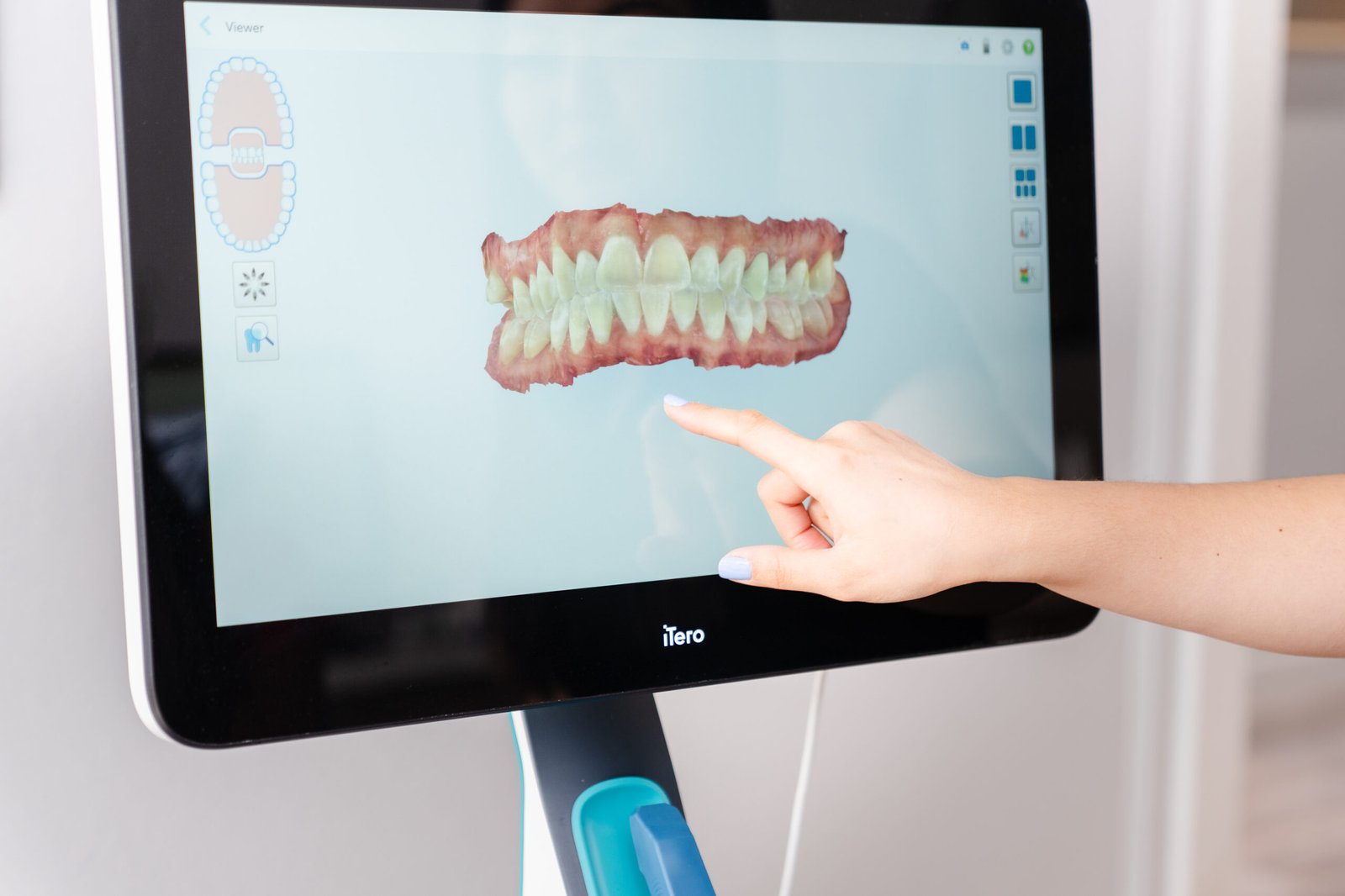
3D imaging can help evaluate dental trauma beneath the surface, including injuries involving the roots and surrounding bone that may be difficult to assess visually. The dentist can then determine which teeth need immediate treatment, which can be repaired once the area is stable, and which should be watched before a permanent decision is made.
This sequencing helps prevent one treatment from interfering with another. Repairing a fractured tooth, for example, may need to wait if its position or bite relationship is still changing after the injury.
When Different Injuries Require Different Types of Care
Multiple injuries do not necessarily follow the same treatment path.
One tooth may be restored with bonding or a crown while another needs temporary stabilization after dental trauma. A third tooth may initially require observation if its structure looks intact but its response to the trauma is still uncertain.
The surrounding tissues can influence those decisions as well. Swelling, gum injury, tooth mobility, or changes in the bite may affect when restorative treatment can be completed and how the final result should be planned.
As the immediate effects of the accident settle, the treatment plan can become more specific to each injured area rather than treating the mouth as though every tooth experienced the same type of damage.
If you have several damaged, loose, sensitive, or displaced teeth after an accident, contact brush365 Dental Injury for an evaluation. A complete trauma assessment can identify the different injuries involved and establish which problems should be treated first.