A tooth can look completely unchanged after an accident and still begin reacting to cold, pressure, or chewing.
That sensitivity may start immediately or appear later as the tooth responds to the impact. What the tooth reacts to, and how long the discomfort lasts, can provide useful clues about whether the injury involves the nerve inside the tooth, the ligament around the root, or the tooth structure itself.
When sensitivity begins after trauma, the absence of a visible chip does not rule out an injury. This is especially important because some forms of dental damage may not become apparent immediately.
The Type of Sensitivity Can Point to Different Structures
Cold sensitivity often raises concern about the pulp, the tissue inside the tooth that contains nerves and blood vessels.
A brief response may occur when the pulp has been irritated but is still capable of recovering. Pain that becomes stronger or lingers after the cold is gone may suggest a more significant inflammatory response.
Sensitivity when biting can point in a different direction. The periodontal ligament surrounding the root can become bruised during impact even when the tooth has not shifted. This can make the tooth feel tender under pressure or slightly different from the teeth around it.
Small cracks can create another pattern. A tooth may react to temperature, hurt during chewing, or become uncomfortable when pressure is released. These fractures are not always visible from the outside.
The symptom alone does not establish the diagnosis, but it helps guide where the dentist looks next.
A Trauma Evaluation Tests More Than What the Tooth Looks Like
The evaluation begins with how the injury happened and how the symptoms developed afterward.
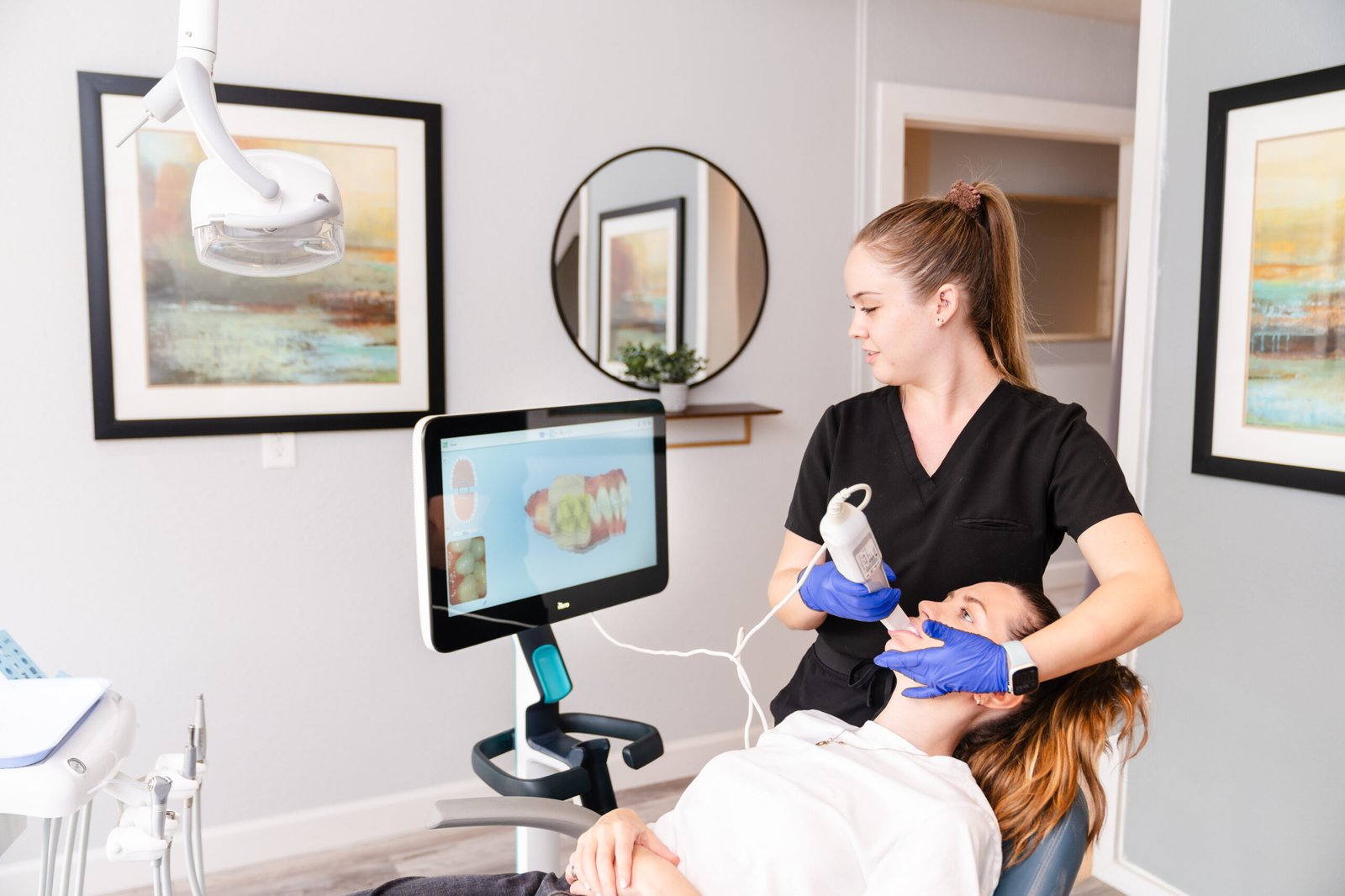
The dentist may check whether the tooth is tender, mobile, or positioned differently and whether the bite has changed. Temperature testing can help compare the injured tooth with neighboring teeth and assess how the pulp is responding.
Dental X-rays may be used when the injury could involve the root or surrounding bone. Imaging is selected according to the clinical findings rather than performed simply because sensitivity is present.
One important limitation after trauma is that nerve testing can be difficult to interpret immediately. A recently injured tooth may respond differently for a period of time without necessarily having permanent pulp damage.
For that reason, the first examination may identify a clear treatment need, or it may show that the tooth should be reassessed before a permanent decision is made.
Treatment Depends on What the Impact Actually Injured
Not every sensitive tooth after an accident needs restorative or root canal treatment.
A mild ligament injury may improve with reduced chewing pressure and appropriate follow-up. A structural defect may need bonding, a filling, or another protective restoration depending on its depth.
If the pulp becomes irreversibly inflamed or loses vitality, root canal treatment may be needed to preserve the tooth. More significant injuries involving mobility, displacement, or surrounding structures may require stabilization or other trauma-specific care.
New swelling, increasing pain, noticeable tooth movement, or a sudden change in the bite should be reassessed promptly.
If a tooth has become sensitive after an accident even though it still looks intact, contact brush365 Dental Injury for a dental trauma evaluation. We can identify which part of the tooth may have been affected and determine whether the area needs treatment or appropriate reassessment as it recovers.