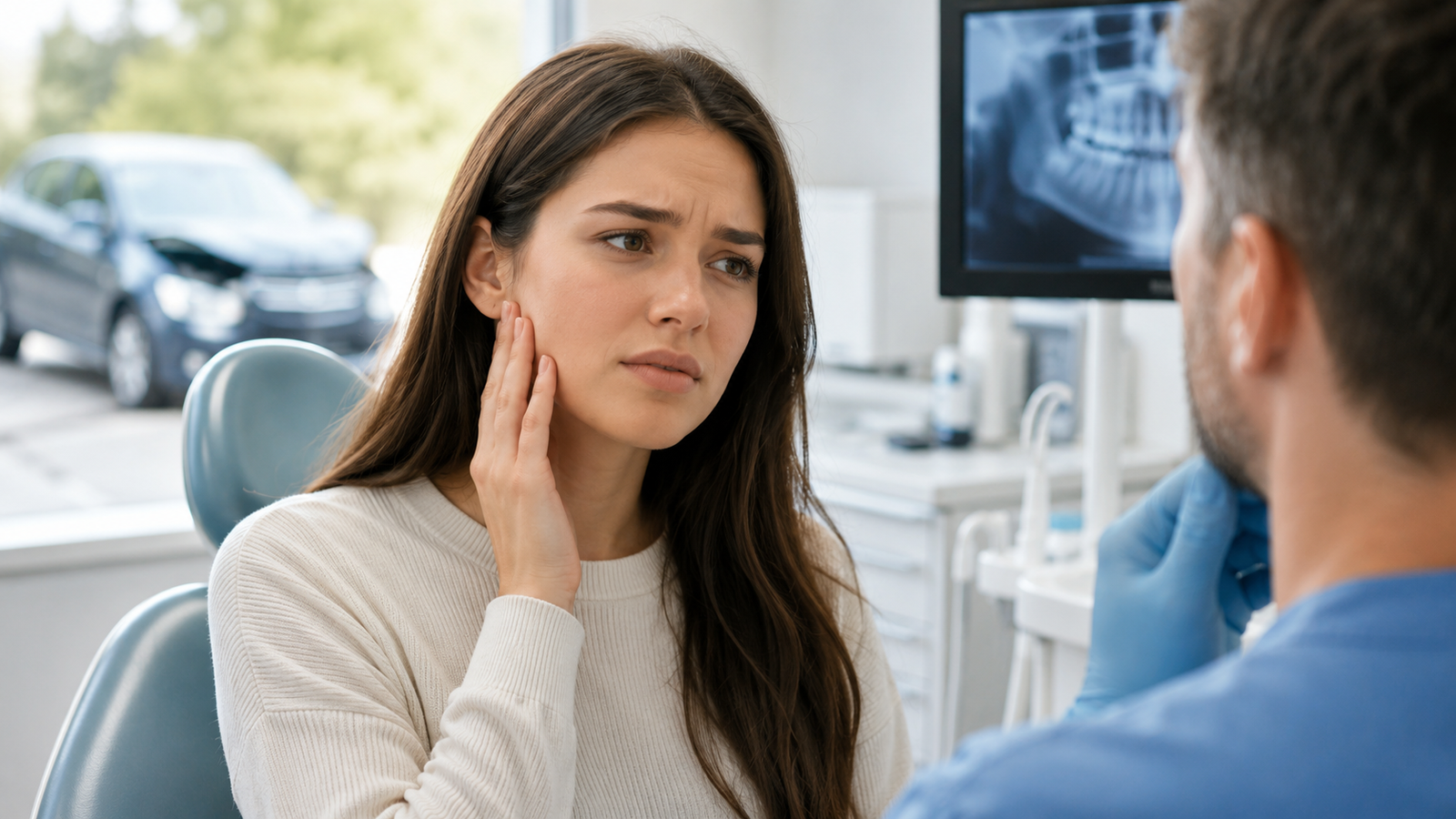
A tooth that feels loose or looks slightly out of position after an accident should be evaluated promptly. Even when the crown is not chipped or broken, the impact may have injured the periodontal ligament, gums, or supporting bone that normally keep the tooth stable.
These injuries can happen after falls, sports accidents, collisions, or other direct blows to the mouth. Early dental injury treatment focuses on determining how much support has been disrupted and whether the tooth needs repositioning, stabilization, or treatment for the surrounding tissues.
What a Loose or Shifted Tooth Can Mean
The periodontal ligament connects the root of the tooth to the surrounding bone and helps absorb pressure during normal chewing. A strong impact can stretch, compress, or tear this tissue, which may make the tooth tender, mobile, or uncomfortable when biting.
Some injuries affect stability without visibly moving the tooth. Others can push the tooth forward, backward, sideways, or farther into the socket.
The surrounding gums may also bleed, swell, or tear during the same accident. With more forceful trauma, the supporting bone can fracture as well, sometimes causing several neighboring teeth to move together.
A mildly tender tooth may need only protection and observation, while a displaced tooth or one with bone involvement may require repositioning and stabilization. The treatment depends on how much support was disrupted by the impact.
What Emergency Dentists Check First
The first step is determining whether the tooth is still in its normal position and how stable it is.
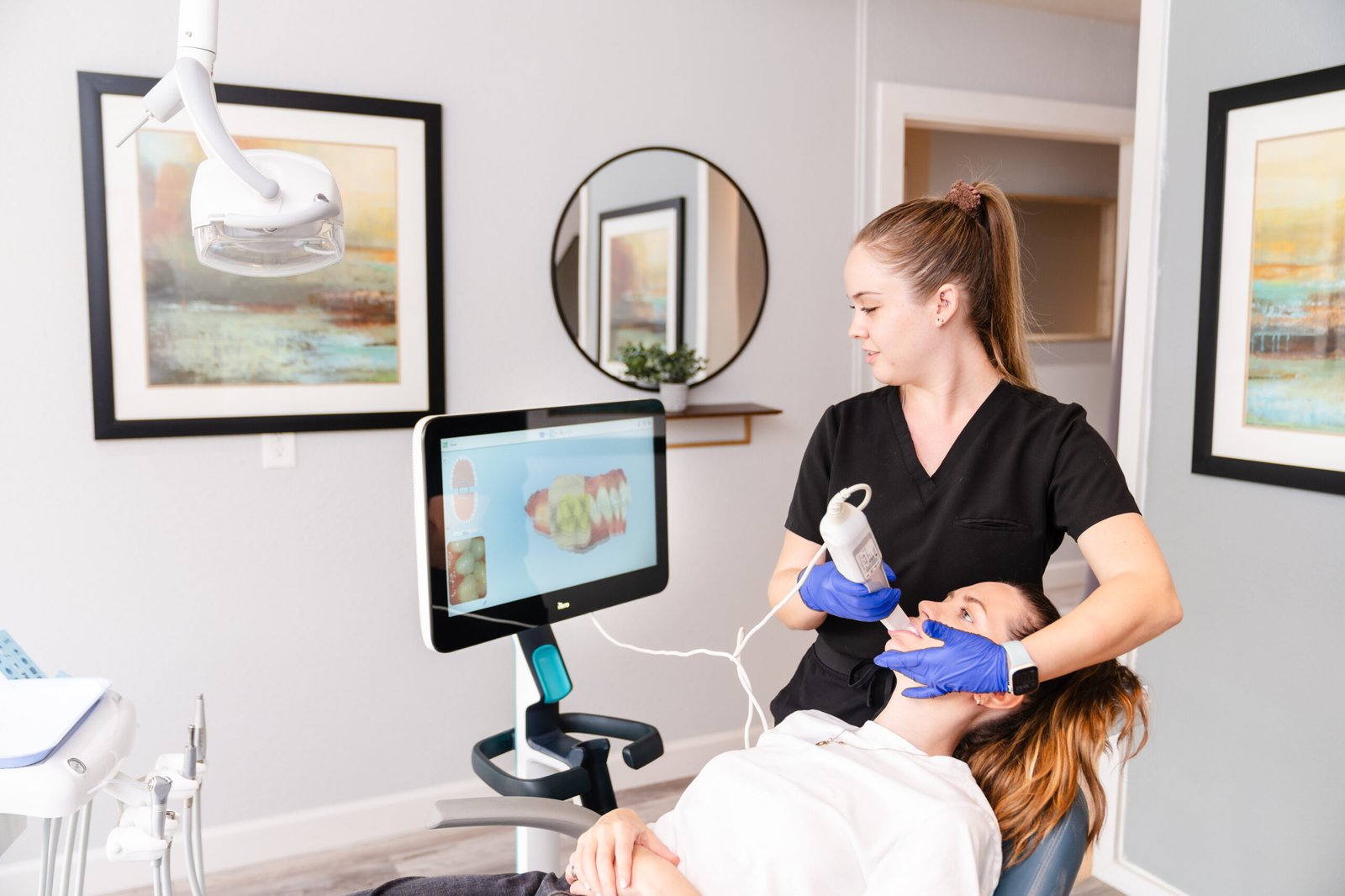
The dentist may check mobility, bite contact, gum injuries, and whether nearby teeth were affected.Emergency dental imaging, including X-rays, can help evaluate the root and surrounding bone when the injury appears to extend beyond the soft tissues.
If the tooth has shifted, it may need to be repositioned. A flexible splint can sometimes be used to stabilize the tooth while the periodontal ligament and supporting tissues heal.
Not every loose tooth requires splinting. The amount of movement, position of the tooth, bone involvement, and type of injury all influence the treatment decision.
Cuts or tears in the gums may also need cleaning or repair. During early healing, patients may be advised to avoid unnecessary pressure on the area while maintaining gentle oral hygiene.
Stabilizing the Tooth Is Only Part of the Recovery
A tooth can begin to feel more secure before the injured tissues have fully recovered.
Comprehensive dental trauma care may include follow-up visits that allow the dentist to reassess mobility, bite, gum attachment, and the condition of the root and surrounding bone. Pulp health may also need to be monitored because an injury that affects the supporting tissues can sometimes affect the inside of the tooth as well.
Patients should return sooner if the tooth becomes increasingly loose, develops swelling, changes color, or begins causing more pain. Changes in the bite should also be evaluated rather than ignored.
If a tooth feels loose, shifted, or painful to bite on after an accident, contact brush365 Dental Injury for emergency dental trauma care. Our team can evaluate the injury, stabilize the tooth when needed, and determine what additional care will best support healing and tooth preservation.