
A tooth can look completely intact after an accident while still having damage below the gumline. Understanding why a tooth can look fine after an injury is important because trauma can affect structures that are not visible during a routine visual examination.
A fall, sports accident, or direct blow to the mouth can send force through the entire tooth, including the root and the tissues that hold it in the jaw. The crown may show no obvious chip or fracture, yet the root, periodontal ligament, surrounding bone, or blood supply inside the tooth may still have been affected.
These injuries are difficult to judge by appearance alone. Dental trauma imaging, combined with a clinical examination, helps the dentist look beyond the visible portion of the tooth and determine whether deeper structures need attention.
What Can Happen Below the Gumline After an Impact?
Several types of injury can occur even when the crown still appears normal.
A fracture can develop within the root itself. Depending on its direction and location, the tooth may remain in place or become slightly mobile. Some root fractures are difficult to see without imaging because the damage is entirely beneath the gumline.
The periodontal ligament can also absorb part of the force. This ligament connects the tooth to the surrounding bone, and an injury can leave the tooth tender, mobile, or uncomfortable under biting pressure.
In other cases, the impact affects the nerves and blood vessels that enter through the tip of the root. The tooth may initially feel normal even though the pulp has been injured. Changes in vitality can become more apparent later.
A tooth can also shift slightly within its socket without looking dramatically displaced. That movement can affect the root, ligament, and adjacent bone even when the enamel remains intact.
How Dental Trauma Imaging Helps Find Hidden Damage
The clinical exam provides important clues, including tooth mobility, tenderness, bite changes, and sensitivity. Imaging adds information about structures that cannot be seen directly.
Emergency dental imaging, including digital X-rays when appropriate, can help evaluate the root and surrounding bone. When a root fracture is suspected, the dentist may take images from different angles because the fracture line may not be visible from every projection.
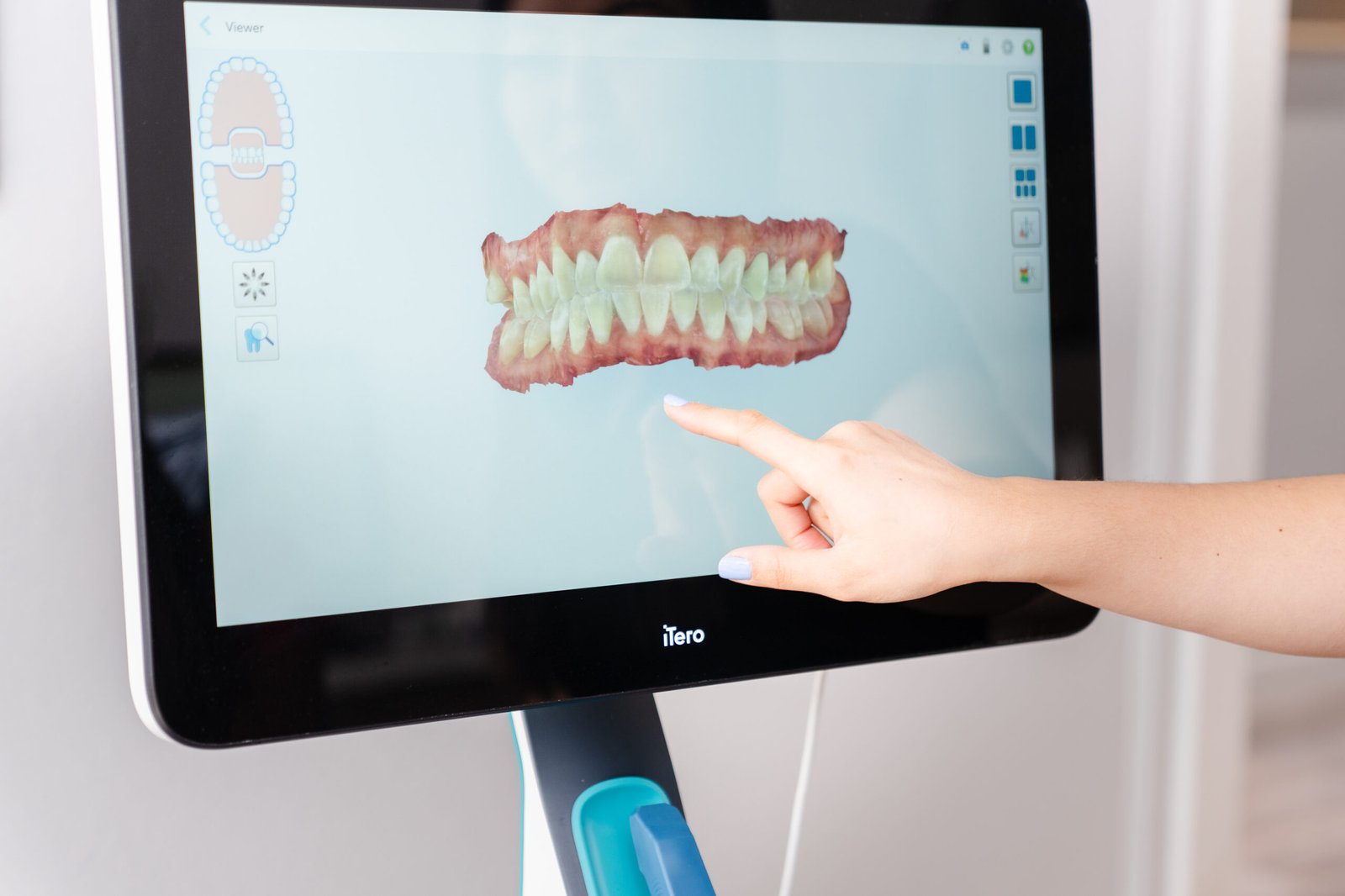
For more complex injuries, CBCT imaging may be considered. A CBCT scan creates a three-dimensional view of the tooth and surrounding structures, which can provide additional detail when standard X-rays do not fully explain the examination findings. Learn more about how 3D imaging helps dentists understand dental trauma beneath the surface and why it may be useful in selected injury cases.
It may be useful when the dentist is evaluating a suspected root fracture, displacement injury, or damage involving the surrounding bone.
CBCT is not needed for every dental injury. The dentist considers whether the additional information would change the diagnosis or treatment before recommending it.
Why the Tooth May Need to Be Rechecked Later
Some effects of trauma become clearer with time.
A recently injured tooth may respond differently to pulp testing even when the nerve eventually recovers. Another tooth may appear stable at the first visit but later develop discoloration, swelling, sensitivity, or changes in mobility.
Trauma can also lead to complications such as pulp necrosis, infection around the root, or root resorption. These changes may develop without immediate pain.
For that reason, follow-up care after dental trauma is important. The first evaluation may establish what is visible and measurable at that point, while later examinations show how the tooth is responding.
Treatment depends on what is found. Some teeth only need observation. Others may require stabilization, root canal treatment, or restorative care depending on the injury to the root and supporting structures.
If a tooth looks intact after an accident but feels tender, mobile, sensitive, or different when you bite, contact brush365 Dental Injury to schedule a dental trauma consultation. Clinical testing and appropriate imaging can help determine whether the root or surrounding structures were affected and what care may be needed next. Clinical testing and appropriate imaging can help determine whether the root or surrounding structures were affected and what care may be needed next.