
Jaw pain after a car accident can show up later than expected. Some patients wake up the next morning with stiffness, while others first notice discomfort when chewing or opening wide.
There may be no broken tooth or obvious facial injury. The force of the collision can still affect the jaw joints, teeth, supporting tissues, and bite.
brush365 Dental Injury provides trauma-focused dental injury care after car accidents for patients experiencing new jaw symptoms after an accident.
Why Jaw Pain Can Develop After a Collision
A car accident can place sudden force through the face and jaw in several ways. The jaw may close forcefully, the teeth may strike together, or the head and neck may move rapidly enough to strain the surrounding muscles and joints.
That can lead to soreness, tightness, or clicking when the jaw opens and closes. Some patients notice headaches or facial tension instead of obvious jaw pain at first. When these symptoms develop after trauma, a jaw injury evaluation can help determine whether the jaw, bite, teeth, or surrounding structures were affected.
These changes may become more noticeable once swelling shifts and normal chewing resumes. A jaw that felt relatively fine at the scene can feel very different a day or two later.
The Pain May Involve More Than the Jaw Joint
Jaw discomfort after trauma can come from several areas at once.
A tooth that moved slightly during impact may begin contacting earlier than the others. A cracked or loose tooth can change the way someone chews, placing more pressure on the muscles and jaw joints.
In other cases, the first clue is a bite that suddenly feels uneven or a tooth that becomes sensitive when pressure is applied.
Trauma can also affect a tooth internally without creating an obvious fracture. For that reason, dental injury treatment begins with evaluating the jaw alongside the bite, teeth, and surrounding structures to understand where the discomfort is coming from.
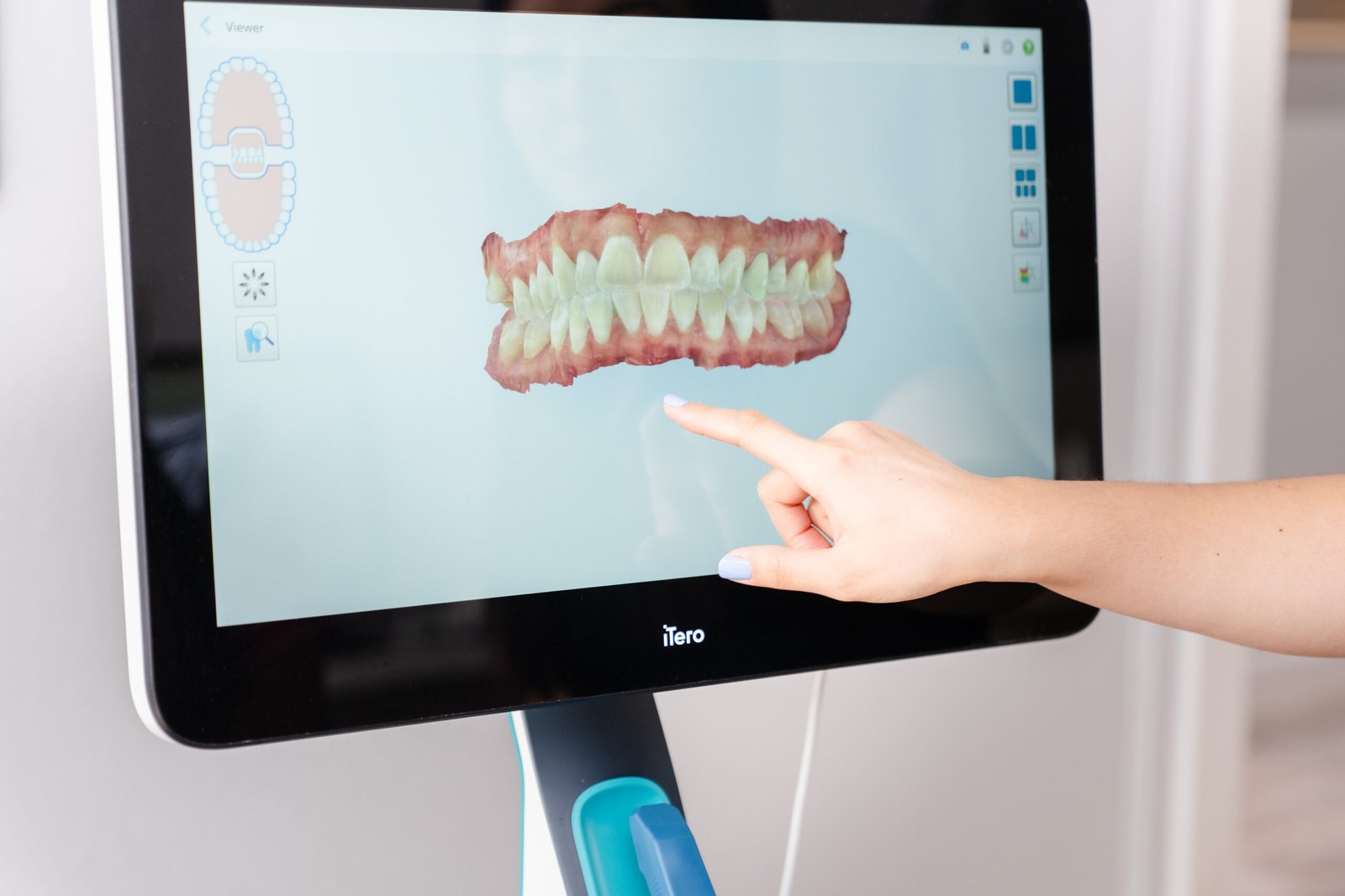
The visit may include jaw movement testing, bite analysis, tooth stability checks, and emergency dental imaging when needed. CBCT 3D imaging or digital scanning may also be used when a closer look at the teeth, bone, jaw joints, or bite is appropriate.
When to Have Jaw Pain Evaluated
New jaw pain after a collision deserves attention when it persists, worsens, or starts changing how comfortably you can eat or move your jaw.
A new click, limited opening, increasing tenderness, or a noticeable change in the bite can all be useful signs that the area should be checked.
If your jaw feels different after an accident, contact BDI for a trauma-focused dental evaluation. Comprehensive dental trauma care can help identify what changed and determine whether the area needs treatment, stabilization, or continued monitoring.