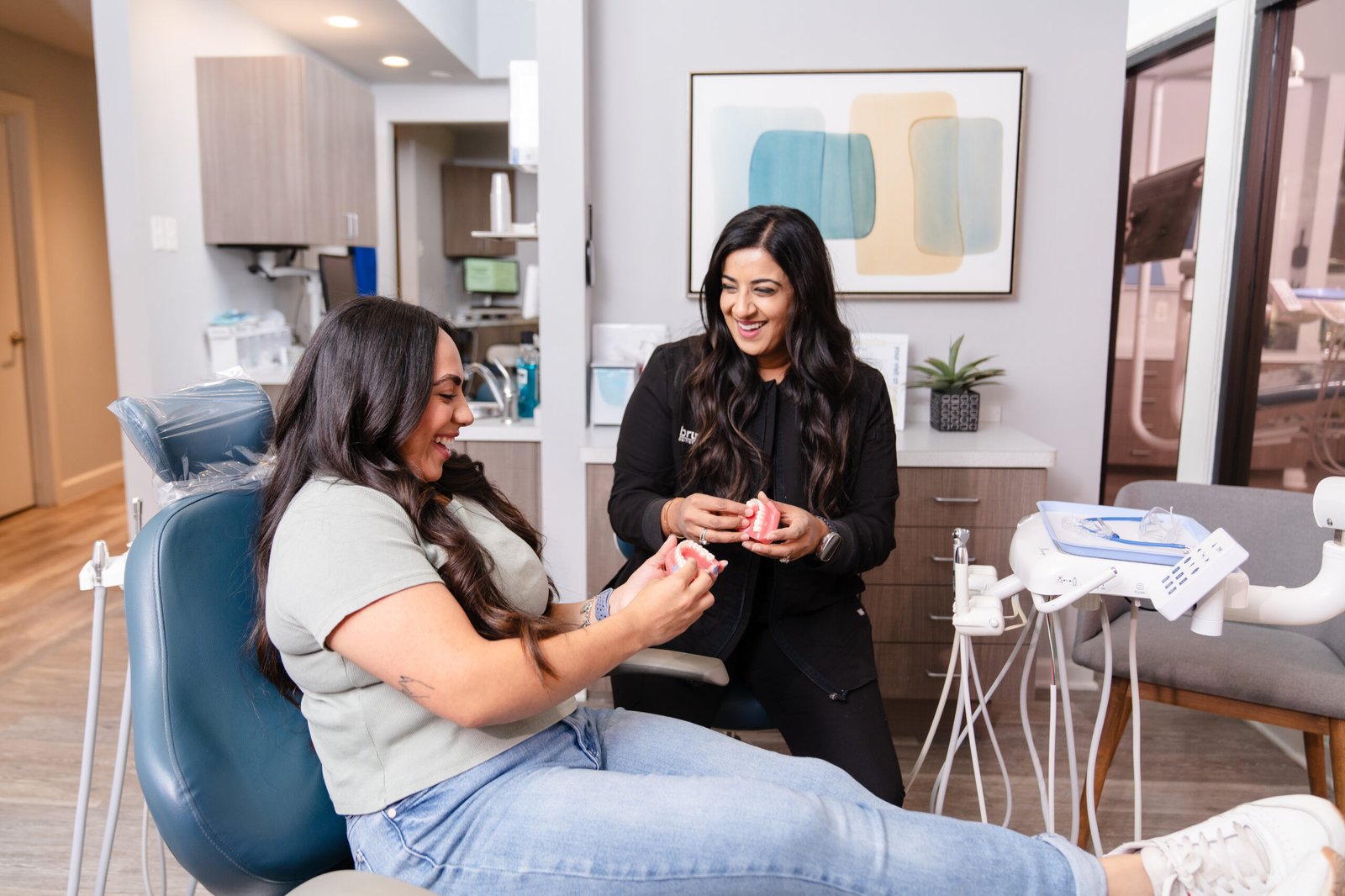
An accident can change the position of a tooth even when there is no obvious break.
A tooth may move slightly, feel loose, or begin contacting differently when you bite. In some cases, the change is easy to see. In others, the first sign is that the bite feels off once swelling settles and normal chewing resumes.
Clear aligners may help correct certain post-trauma alignment changes, but they are not usually the first step. Dental injury treatment begins by understanding what happened to the root, ligament, bone, nerve, and surrounding bite before an injured tooth is moved.
The Injured Tooth Has to Be Stable First
Dental trauma can affect more than the visible part of a tooth.
An impact may shift a tooth within its supporting ligament, damage the root, affect the surrounding bone, or change the way several teeth meet. That is why a tooth that looks slightly rotated after an accident should not automatically be treated as a routine orthodontic concern.
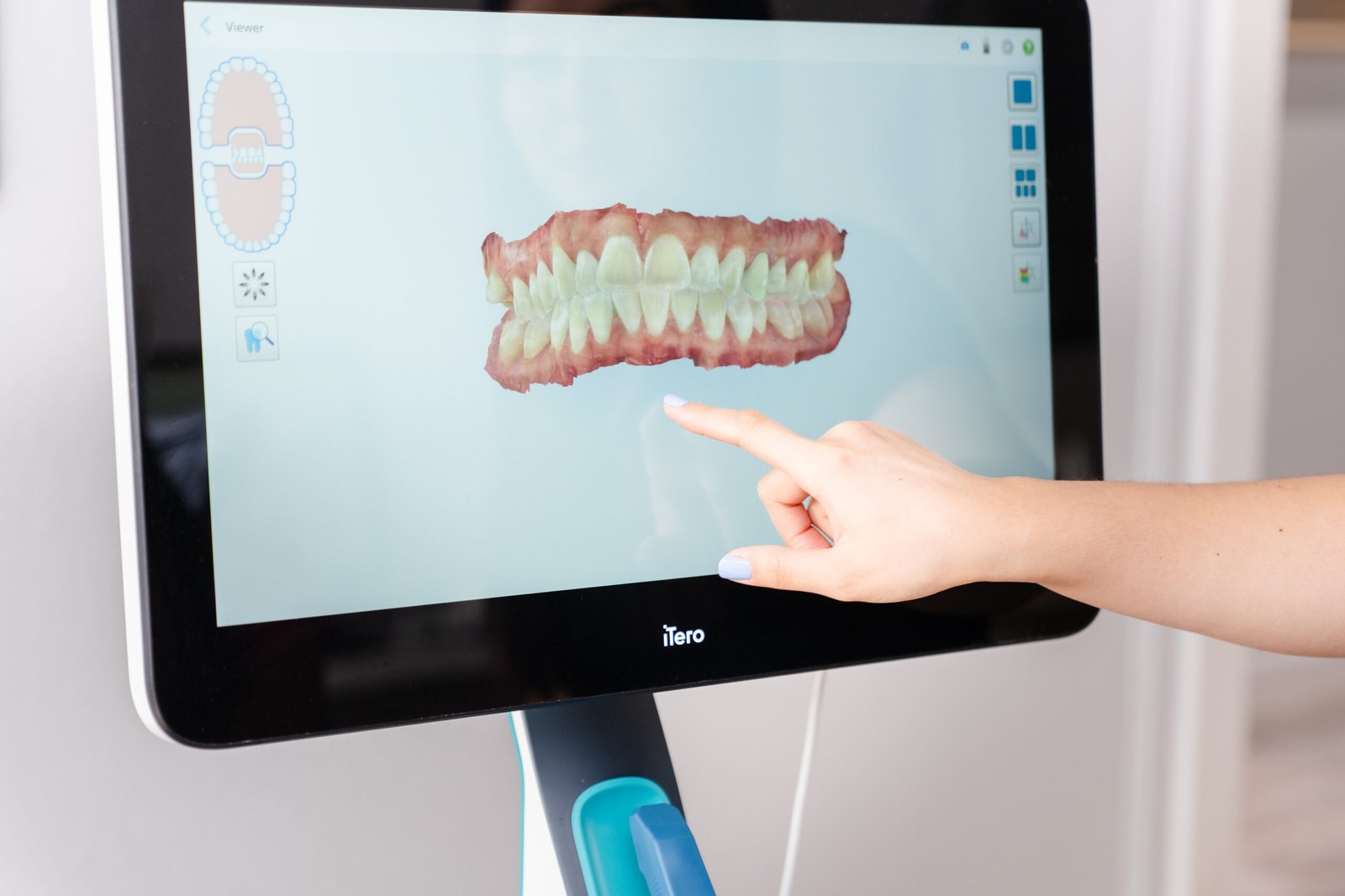
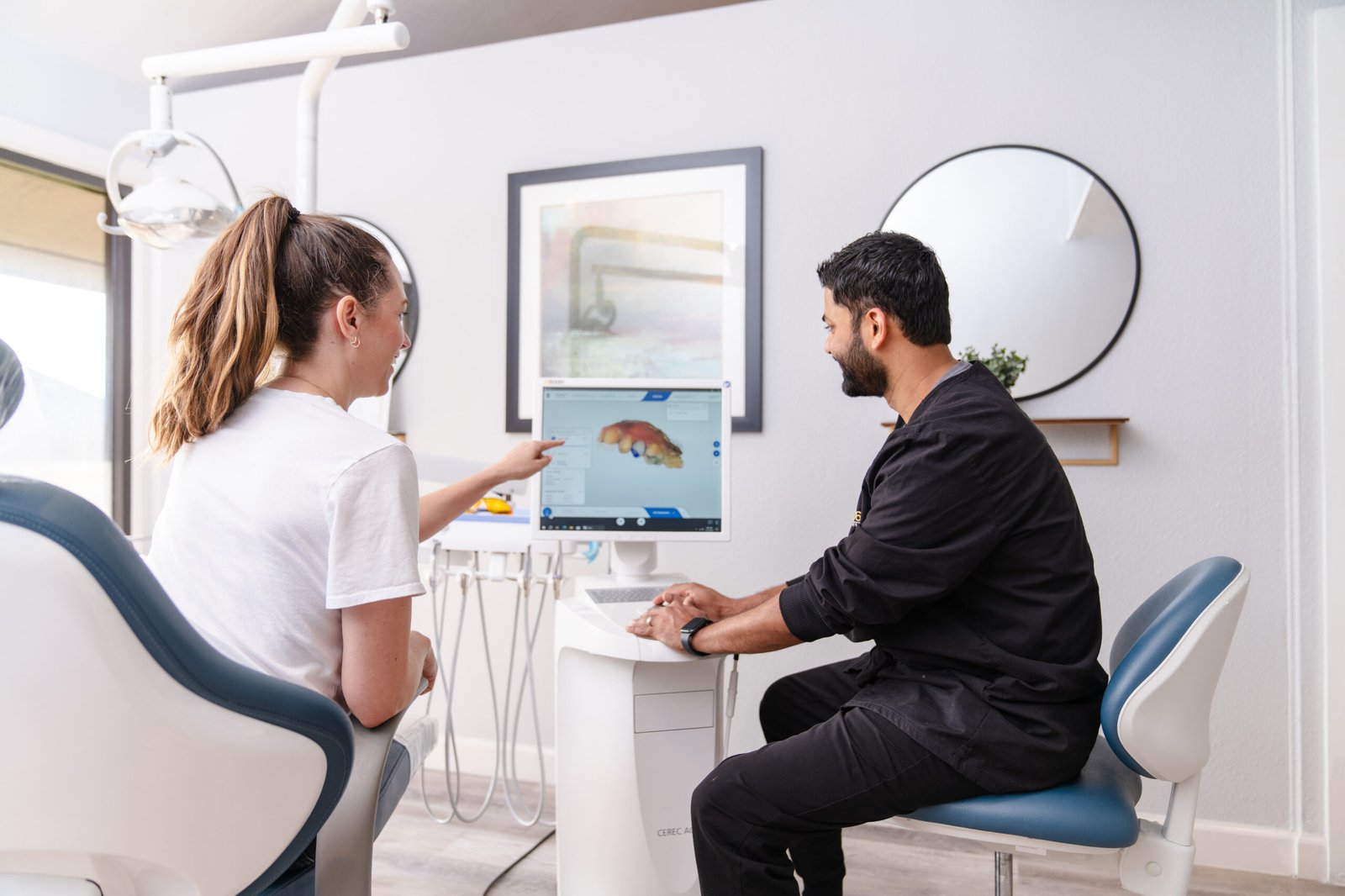
An injury-focused evaluation may look at tooth mobility, bite changes, nerve response, and the health of the supporting structures. Emergency dental imaging can also help identify damage that cannot be seen during a visual exam.
Some teeth may need stabilization, temporary restorations after injury, or time to heal before any orthodontic movement is considered. Others may need continued monitoring to make sure the nerve and supporting tissues remain healthy.
Where Clear Aligners May Fit Into the Plan
Once the injured area is stable, clear aligners may be considered when the accident has left teeth mildly or moderately out of position.
The purpose at that stage is to restore a more functional relationship between the teeth, not simply improve appearance. If one tooth is contacting too early or the bite has shifted, planned movement may help bring the teeth back into a more balanced position.
The treatment plan also has to account for any other damage caused by the accident. A fractured tooth, for example, may eventually need bonding, dental crown treatment after injury, or another restoration. In some cases, the final restoration is easier to plan after the tooth has been moved into a more appropriate position. This is why treatment after trauma is often sequenced rather than completed all at once.
Timing Can Affect the Outcome
Moving a recently injured tooth too soon can place additional stress on tissues that are still healing. Waiting too long without evaluating the area can create a different problem if the bite remains unstable or other injuries go unnoticed.
The timing depends on the type of trauma, how the tooth responds during follow-up, and whether the surrounding structures are ready for controlled movement.
For some patients, the sequence may involve stabilizing the injury first, monitoring healing, correcting the alignment later, and completing any necessary restorative treatment once the final tooth position is established.
That order can change from case to case, especially when several teeth were affected.
If an accident has caused your teeth to shift or your bite to feel different, contact brush365 Dental Injury for an evaluation. Comprehensive dental trauma care can help determine what needs to heal or stabilize first and whether clear aligners may have a role later in the treatment plan.