A new click or pop in the jaw after an accident can be easy to ignore, especially when there is no broken tooth or visible facial injury.
But the jaw can absorb force even when the mouth is never directly hit. During a car accident, fall, workplace injury, or other sudden impact, the teeth may come together differently, the jaw joint may be strained, or the muscles around it may begin compensating.
That can show up as clicking, stiffness, soreness, or a bite that suddenly feels different.
What Can Change After an Impact
The jaw works through a combination of the teeth, muscles, and temporomandibular joints. When one part is affected by trauma, the way the entire system moves can change.
Patients may notice:
- Clicking or popping when opening or closing
- Jaw tightness or soreness
- Pain with chewing
- Difficulty opening comfortably
- Headaches or facial tension
- Teeth that seem to meet differently
- A bite that feels uneven
These symptoms may begin right away or develop as swelling changes and normal chewing resumes.
A click by itself does not confirm a TMJ injury. The more useful question is whether the sound is new and whether it is happening alongside pain, limited movement, or a change in the bite.
Why the Bite Is Part of the Evaluation
After trauma, even a small change in tooth position can affect how pressure moves through the jaw.
A tooth may loosen slightly, shift within its supporting tissues, or fracture in a way that changes contact with the opposing teeth. When that happens, the jaw muscles may begin working differently to avoid the uncomfortable area.
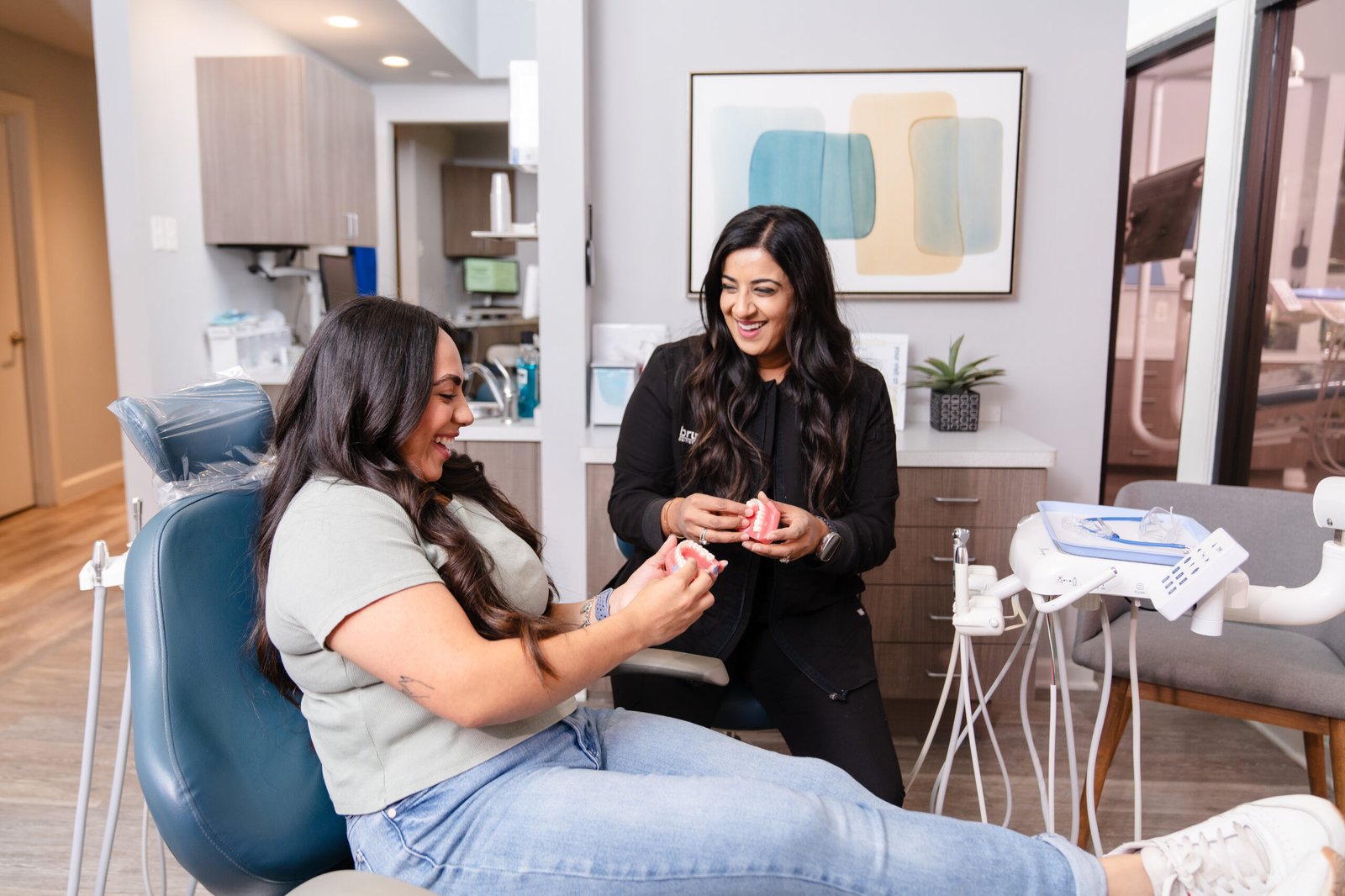
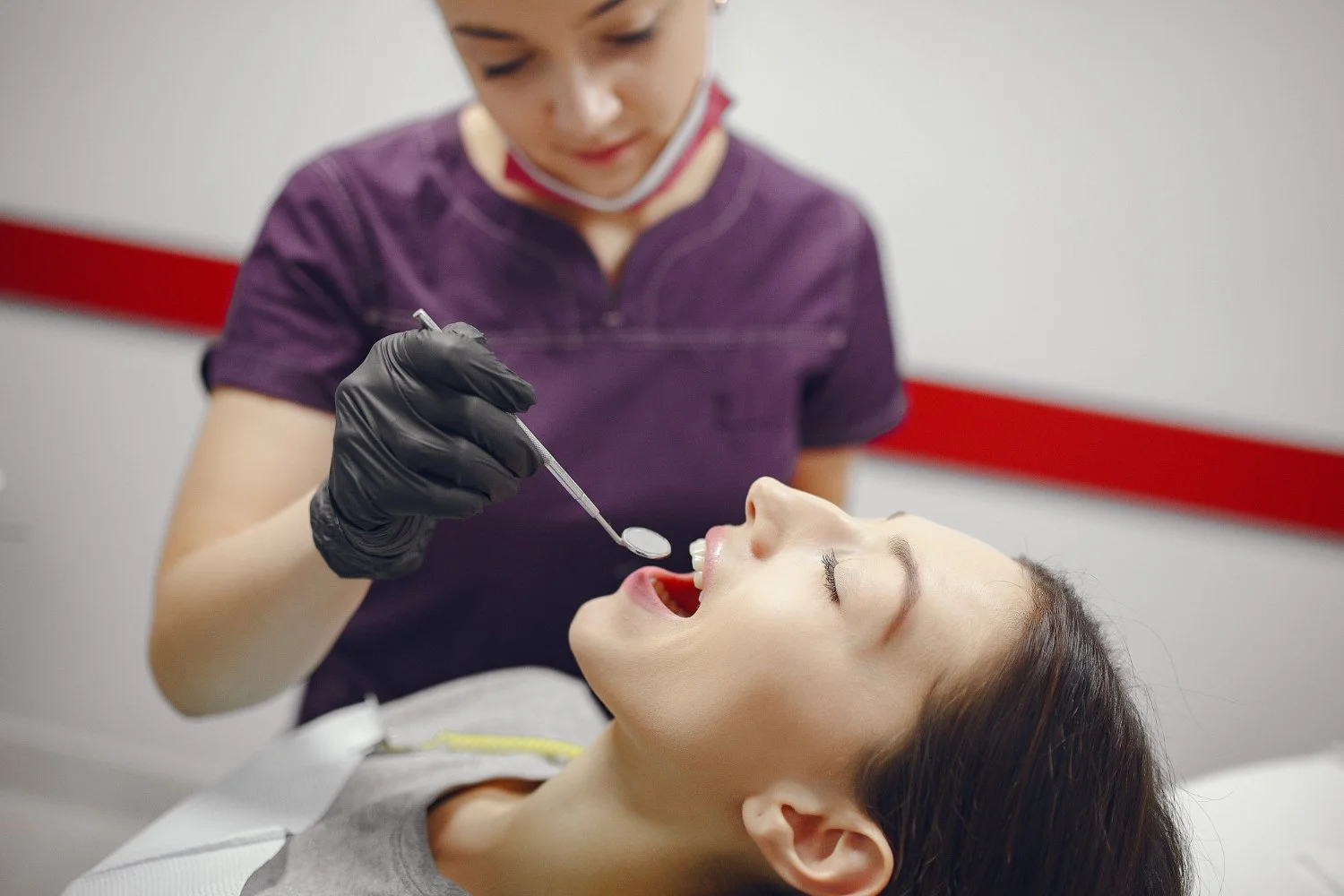
Over time, that can contribute to fatigue, uneven pressure, headaches, or persistent jaw discomfort. This is why brush365 Dental Injury looks beyond the joint itself. An injury evaluation may assess tooth stability, bite alignment, jaw movement, tenderness, and whether the teeth are contacting differently than they did before the accident.
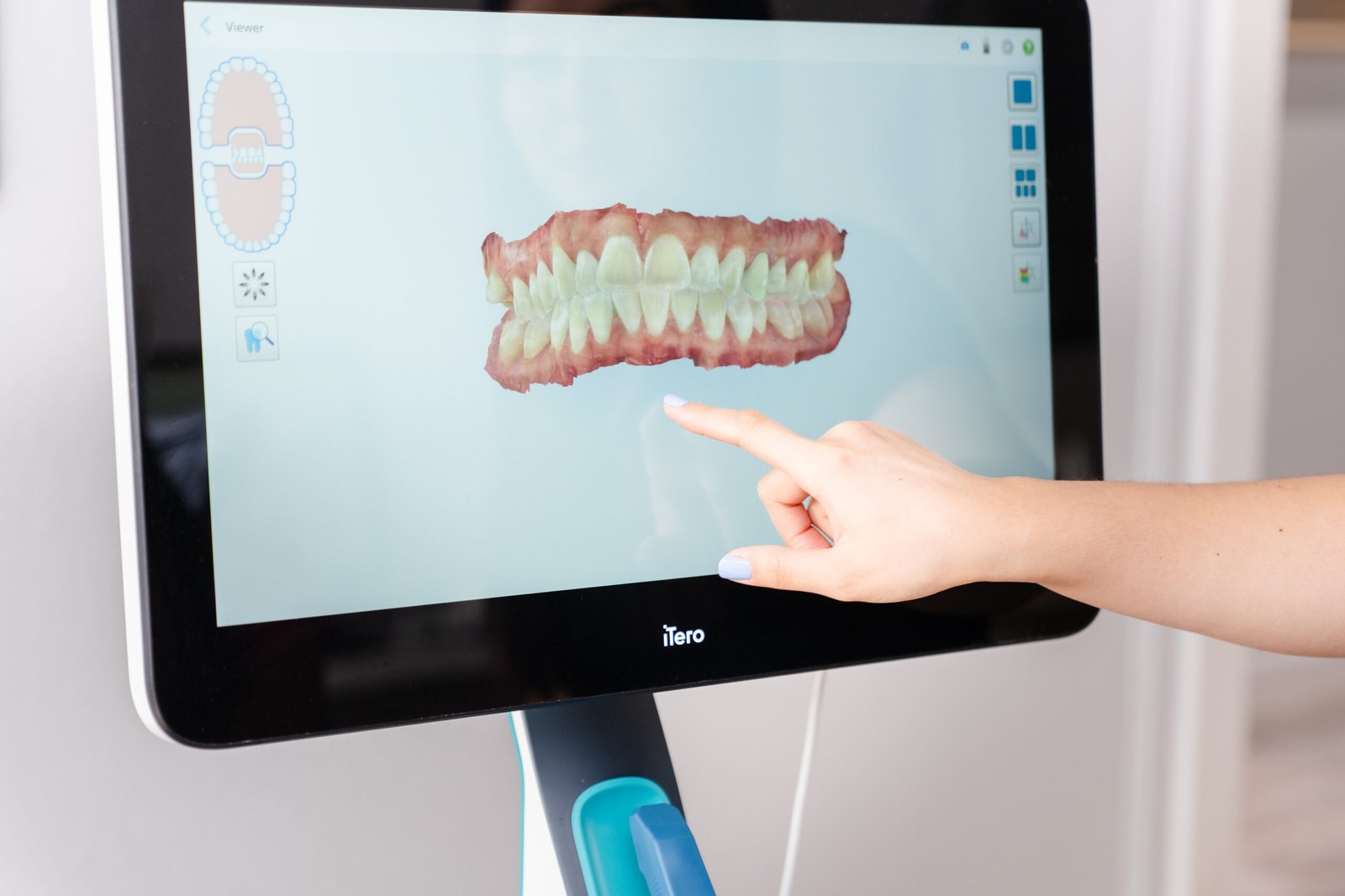
CBCT imaging, digital scanning, or other diagnostics may also be used when needed to evaluate the teeth, bone, jaw joints, and bite more closely.
When a New Jaw Click Should Be Checked
A new jaw sound after an accident is worth evaluating when it comes with soreness, stiffness, headaches, chewing difficulty, limited opening, or a noticeable bite change.
BDI evaluates jaw and bite symptoms related to personal and workplace injuries, including car accidents, falls, and other trauma. The goal is to identify what changed after the impact and whether the issue involves the teeth, bite, jaw joint, or a combination of those areas.
If your jaw started clicking, popping, or moving differently after an accident, contact BDI for a trauma-focused evaluation. Getting the area checked early can help clarify whether the symptom needs treatment, monitoring, or coordination with another provider.