
A tooth can look normal after an accident and still be injured inside.
A blow to the mouth, fall, sports collision, or car accident can damage the pulp, the soft tissue inside the tooth that contains nerves and blood vessels. Sometimes that damage causes immediate pain. In other cases, the tooth changes slowly over the following weeks or months.
A root canal may be recommended when the pulp becomes infected, severely inflamed, or loses its ability to recover. This type of dental injury treatment is intended to preserve the natural tooth whenever possible.
How Trauma Affects the Inside of a Tooth
Dental trauma can interrupt blood flow, irritate the nerve, or create a fracture that extends toward the pulp. A tooth that has been loosened, pushed out of position, chipped, or replanted after being knocked out may all be at risk.
The outside of the tooth does not always show the full extent of the injury. Even without a visible crack, the tissue inside can begin to break down.
That is why symptoms after an accident should be watched closely. Persistent pain, lingering sensitivity to hot or cold, discomfort when biting, swelling, gum tenderness, or a small bump near the tooth may point to infection or pulp damage.
A tooth may also darken, feel slightly higher than the surrounding teeth, or become more mobile. Discoloration alone does not confirm that a root canal is needed, but it is a change that should be evaluated.
Why Some Injured Teeth Are Monitored First
Trauma does not always lead to root canal treatment.
The nerve may respond differently in the first days or weeks after an accident, especially if the tooth was displaced or the surrounding tissues were heavily irritated. A temporary change in sensitivity does not always mean the pulp has permanently failed.
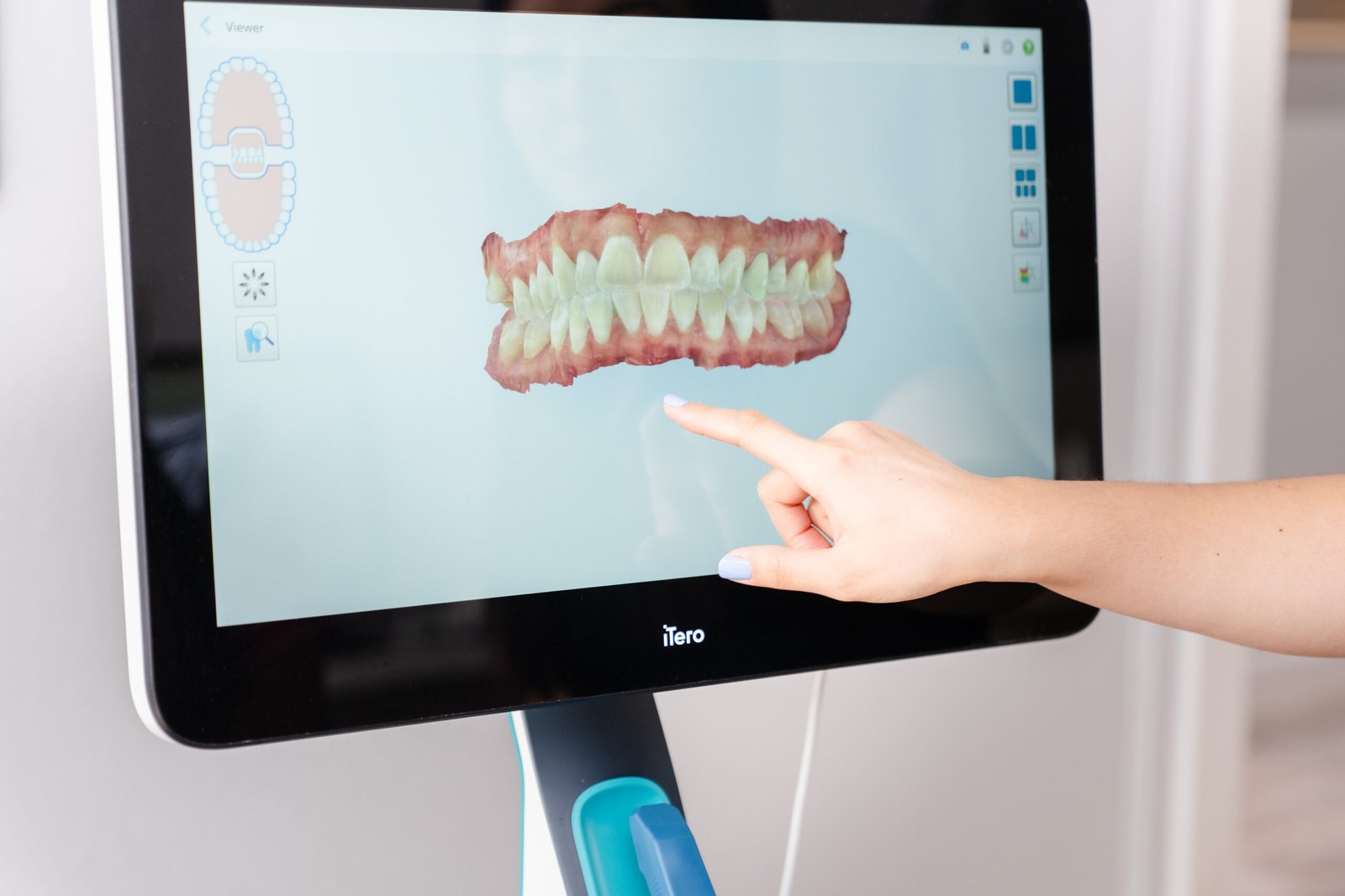
When there are no clear signs of infection, the dentist may monitor the tooth over time. Follow-up visits can include sensitivity testing, bite checks, emergency dental imaging, and comparisons with earlier findings.
Those repeated exams matter because the condition of a traumatized tooth can change. A tooth that initially appears stable may later develop discoloration, swelling, pain, or changes around the root.
When Root Canal Treatment Is Recommended
A root canal is generally needed when the pulp is no longer healthy enough to recover.
During treatment, the damaged tissue is removed from inside the tooth. The canals are then cleaned, disinfected, and sealed to help stop infection and preserve the natural tooth.
Keeping the tooth can help maintain normal chewing, bite stability, and spacing. Depending on how much structure was lost during the injury, dental crown treatment after injury may also be recommended to protect the tooth from further fracture.
There are situations where root canal treatment will not provide a predictable result, such as a split root or a fracture extending too far below the gumline. In those cases, the dentist will explain why the tooth may not be restorable and review the next steps.
At brush365 Dental Injury, trauma-related dental evaluations focus on identifying internal damage early and preserving the natural tooth whenever possible. If a tooth becomes painful, sensitive, swollen, loose, or discolored after an accident, schedule an evaluation with us to begin comprehensive dental trauma care so the injury can be documented and monitored before the problem becomes more advanced.