When a tooth is knocked out during an accident, saving it may still be possible. The answer depends on several details that need to be evaluated quickly: the type of tooth, how long it has been out, how it was stored, and whether the socket or surrounding structures were damaged.
For a permanent adult tooth, replantation may be an option. For a baby tooth, placing it back into the socket is usually avoided because it can affect the permanent tooth developing underneath.
At brush365 Dental Injury, knocked-out tooth treatment begins with a focused dental injury evaluation. The goal is to determine whether the tooth can be safely replanted, whether the area needs stabilization, and what steps will best protect long-term oral health.
What Determines Whether a Tooth Can Be Replanted?
A dentist looks at more than the tooth itself. The empty socket, gum tissue, nearby teeth, bite, and surrounding bone all matter.
Replantation may be more likely when the tooth is permanent, the root surface is protected, and the tooth has been kept moist. A tooth that has been dry for too long, badly damaged, or affected by severe socket trauma may have a lower chance of being saved.
Timing matters because the cells on the root surface are delicate. Once those cells begin to dry out or become damaged, healing becomes more difficult. That is why patients are usually advised to seek emergency dental trauma care as soon as possible after the injury.
The dentist will also consider whether medical care is needed first. If the accident involved head trauma, heavy bleeding, facial fractures, or loss of consciousness, emergency medical treatment should come before dental treatment. Once the patient is stable, the tooth injury still needs prompt attention.
What Happens If Replantation Is Possible?
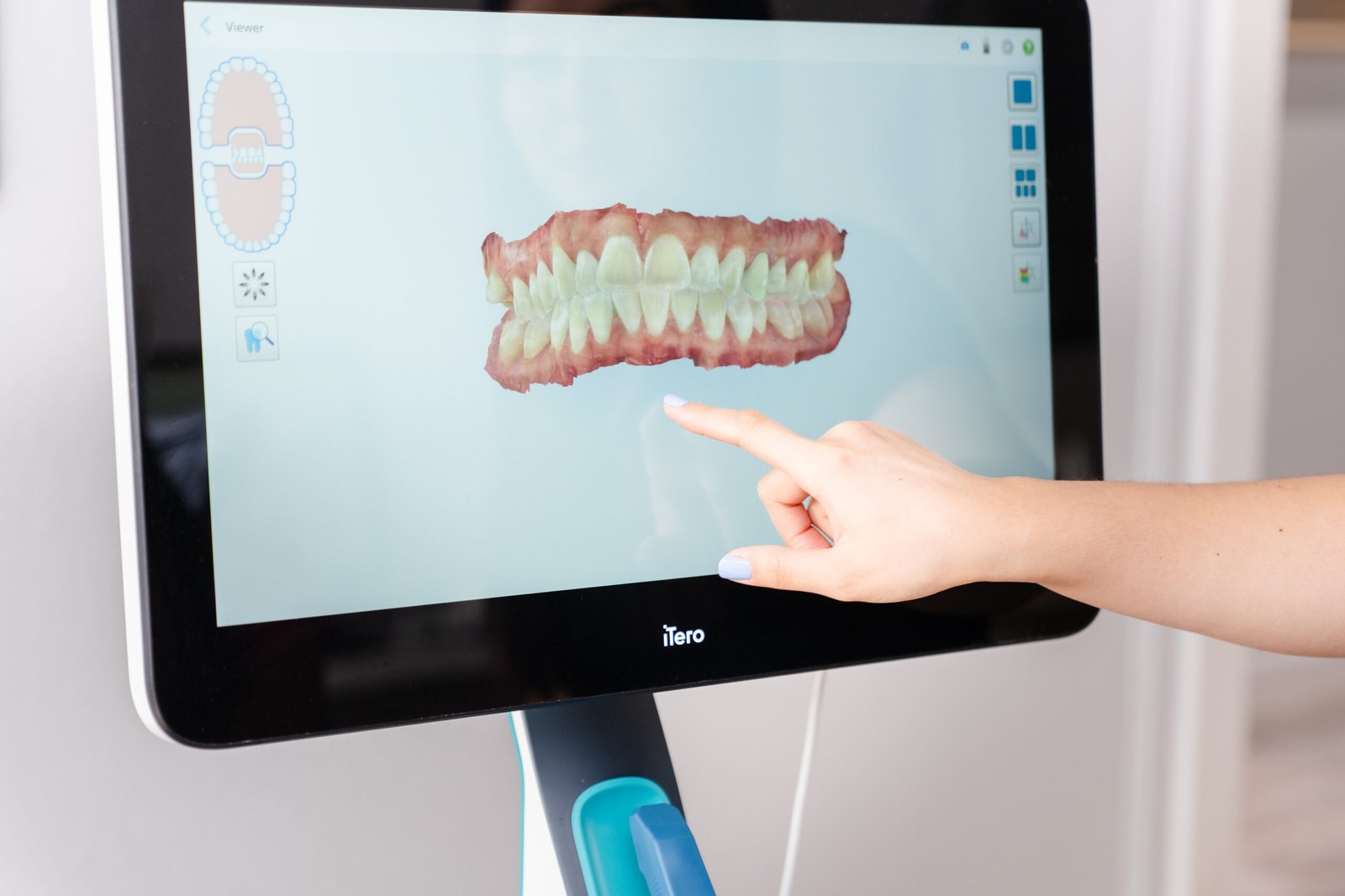
If the tooth can be replanted, the dentist will carefully clean and assess the area before positioning the tooth back into the socket. Emergency dental imaging may be used when needed to evaluate the socket, surrounding bone, and nearby teeth before and after treatment.
This is only the beginning of treatment. A replanted tooth needs follow-up care because healing can change over time. The dentist will monitor the tooth for stability, discomfort, infection, root changes, and how the bite comes together.
Even when the tooth is placed back successfully, long-term monitoring is important. Some complications do not appear right away. Early visits help the dental team respond quickly if the tooth begins to show signs of trouble.
If the Tooth Cannot Be Saved
Not every knocked-out tooth can be replanted. That can be difficult to hear, especially when the injury happens suddenly and feels overwhelming.
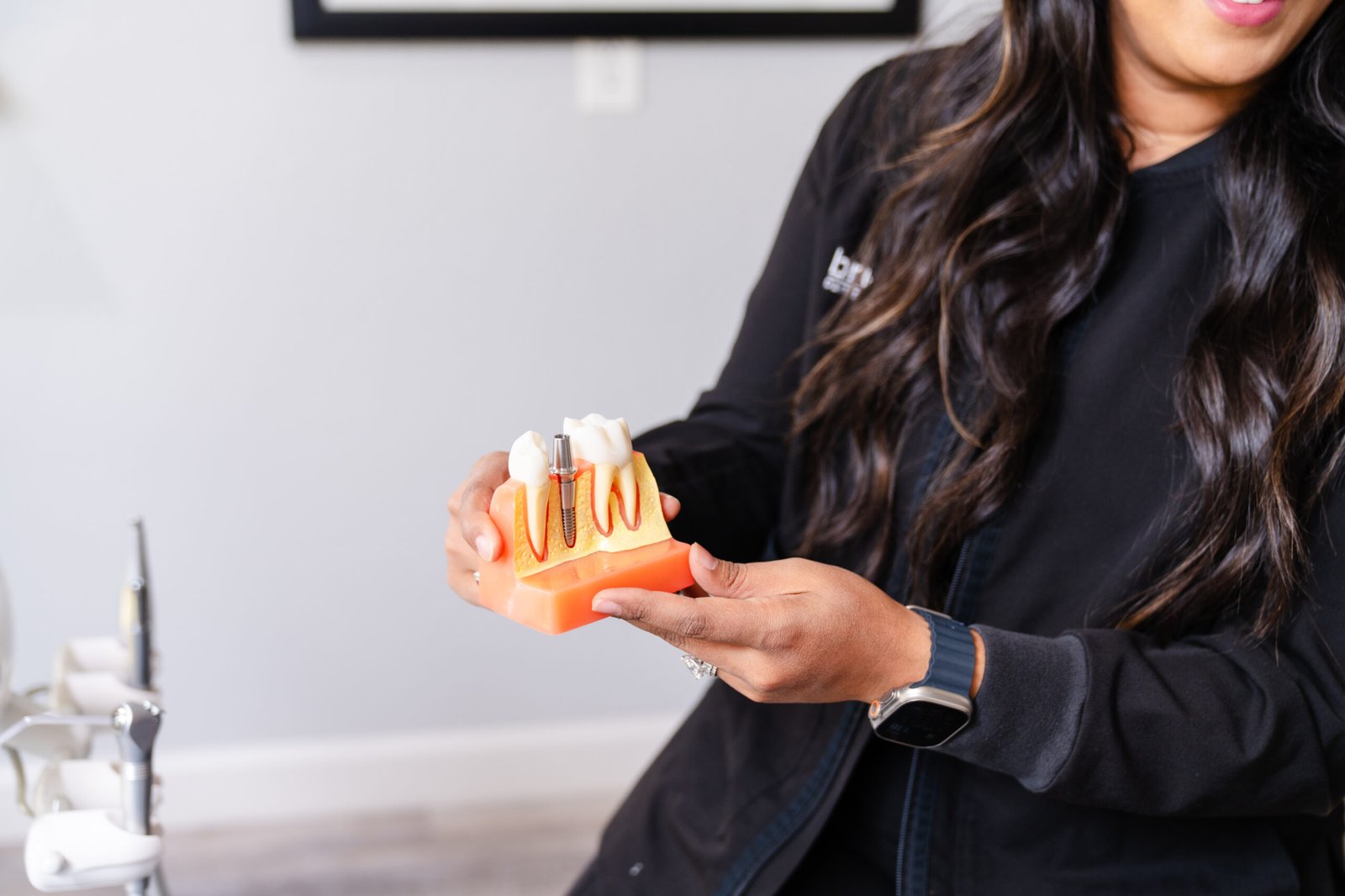
When replantation is not possible, the first priority is still to manage the trauma properly. The dentist will evaluate the socket, nearby teeth, gum tissue, and bite before discussing replacement options such as dental implants after trauma. Rushing that decision before the injury is fully understood can lead to a less stable outcome.
A knocked-out tooth deserves urgent attention, even when pain is manageable or bleeding has slowed. brush365 provides emergency dental injury evaluations for patients dealing with knocked-out teeth and accident-related trauma. If a permanent tooth has been knocked out, keep it moist and contact our team right away to begin comprehensive dental trauma care so the tooth and injury site can be assessed promptly.