Dental injuries are not always obvious right after an accident. Some people notice a broken tooth, bleeding, or immediate pain. Others feel fine at first, then develop sensitivity, jaw discomfort, bite changes, or tooth pain days or even weeks later.
That delay can be confusing, but it is not unusual. Dental trauma can affect more than the part of the tooth you can see. The nerve, root, ligament, bite, and surrounding bone may all be involved, and some of those changes take time to show up.
At brush365 Dental Injury, post-accident dental trauma consultations are designed to identify both visible and hidden injury. The goal is to understand what happened, document the condition clearly, and reduce the risk of long-term complications.
Why Symptoms May Not Appear Right Away
After an accident, stress, adrenaline, swelling, and other injuries can make dental pain harder to notice. In other cases, the tooth itself may need time to react.
A tooth can be injured even if it does not break. The nerve inside the tooth may become irritated. The ligament holding the tooth in place may be strained. A small crack may be too fine to see without a detailed exam. The bite may also shift slightly, creating pressure that becomes more noticeable over time, sometimes requiring a jaw injury evaluation to understand how the injury is affecting overall function.
Delayed dental symptoms may include:
- Pain when biting or chewing
- Sensitivity to cold, heat, or sweets
- A tooth that feels “high” or out of place
- Jaw soreness or bite discomfort
- Tooth discoloration
- Swelling near the gumline
- A dull ache that gets worse over time
- Sharp pain from a hidden crack
- Numbness or nerve-related symptoms
These symptoms should not be brushed off simply because they appear later. Pain that develops days or weeks after an accident can still be connected to the original injury.
Hidden Cracks, Nerve Changes, and Bite Problems
One of the most common concerns after dental trauma is a hidden crack. Some cracks are visible right away, but others are small, internal, or located where they are difficult to see. A cracked tooth may feel normal until you chew, then cause sharp or intermittent pain. In many cases, fractured tooth treatment is needed to stabilize the tooth and prevent the damage from worsening.
Nerve symptoms can also develop slowly. After impact, the nerve inside a tooth may become inflamed. Sometimes it recovers. Other times, the nerve becomes damaged or infected, which can lead to lingering sensitivity, discoloration, swelling, or pain. When that happens, root canal treatment may be needed to relieve discomfort and preserve the tooth when possible.
Bite changes matter too. If a tooth shifts, fractures, or becomes sensitive after trauma, the way the upper and lower teeth meet can change. Even a small imbalance can create ongoing pressure, jaw soreness, tooth pain, or additional cracking.
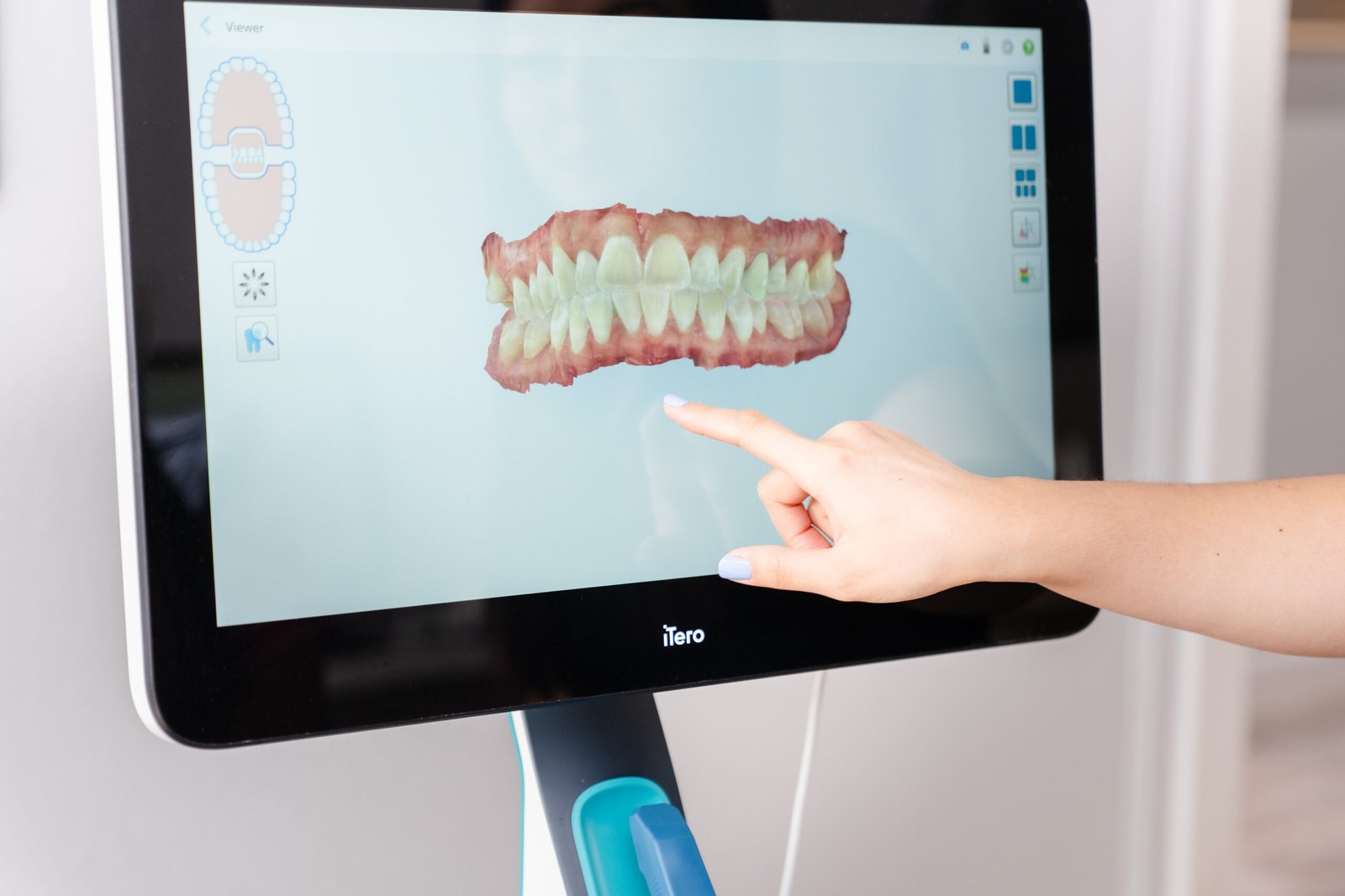
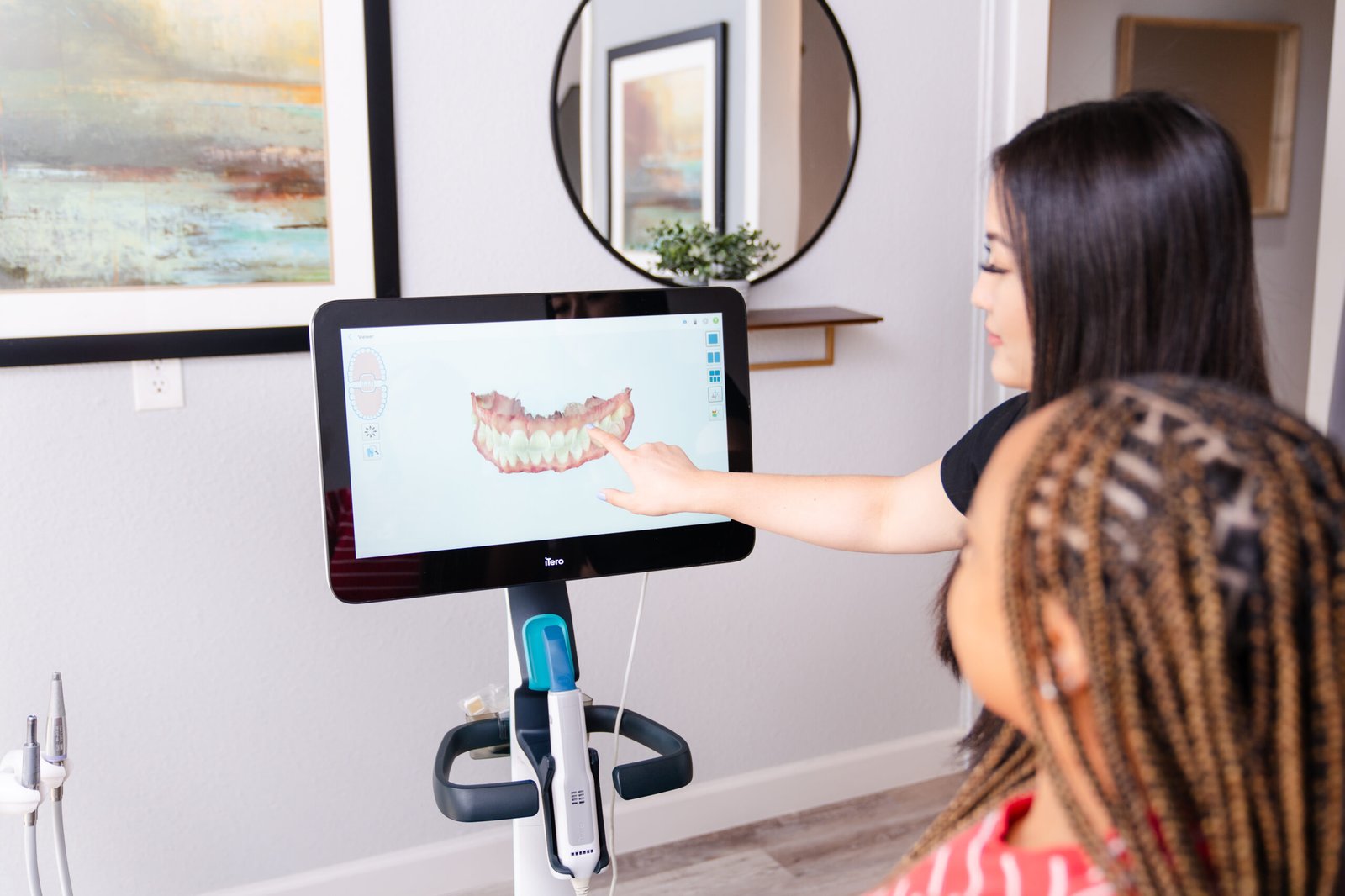
This is why a dental injury evaluation should be more than a quick visual check. Digital X-rays, bite evaluation, clinical testing, and, when needed, emergency dental imaging with CBCT 3D scans can help identify problems that are not obvious from appearance alone.
When to Schedule a Dental Injury Evaluation
Many patients wait to schedule care because the tooth looks normal or the discomfort feels manageable. The risk is that hidden damage can continue to progress while symptoms remain mild. A small crack may become a larger fracture, nerve trauma may go unnoticed, bite pressure may further weaken an injured tooth, and a delayed infection may become more painful over time. Waiting can also make treatment more complex later and weaken the documentation connecting the dental injury to the accident.
An early evaluation helps establish a clear baseline. Even if no major treatment is needed right away, the dental team can document the condition of the teeth, monitor changes, and explain which symptoms to watch for as the injury settles.
Schedule a dental injury evaluation immediately after an accident if you notice tooth pain, sensitivity, jaw discomfort, swelling, looseness, visible chips, bite changes, or pain when chewing. You should also be evaluated after any impact to the face, mouth, jaw, or head, even if symptoms seem minor at first.
brush365 Dental Injury provides structured evaluations with attention to diagnosis, documentation, and long-term planning. If you have been in an accident, schedule an evaluation with us to begin comprehensive dental trauma care, identify hidden dental damage early, protect your long-term oral health, and understand the right next step.