
Dental pain after an accident can feel simple at first. A tooth hurts. Your jaw feels sore. Chewing feels different.
But injuries from a fall, car accident, sports impact, or hit to the face can affect more than the tooth that hurts. Teeth, nerves, roots, gums, bone, bite alignment, and the jaw joint can all be involved.
That is why accident-related dental pain should be evaluated differently than routine tooth pain. At brush365 Dental Injury, a dental trauma consultation focuses on understanding what happened, what was affected, and what needs treatment, monitoring, or documentation.
Pain After an Accident Can Show Up in Unexpected Ways
After trauma, the painful area may not tell the whole story. A tooth may hurt because the bite changed. Jaw soreness may make several teeth feel sensitive. A small crack may not be visible right away. A tooth nerve may become irritated slowly over time.
Some patients feel symptoms immediately. Others feel fine at first, then notice pain, sensitivity, or chewing discomfort days or weeks later.
This delayed pain can happen when a tooth has a small fracture, the nerve inside the tooth becomes inflamed, a tooth shifts slightly from impact, the jaw joint or surrounding muscles are strained, or the bite changes and one tooth starts taking too much pressure. In these cases, a jaw injury evaluation may help determine whether the jaw, bite, or surrounding structures were affected.
Because of this, an injury-focused dental evaluation starts with the story of the accident. How did it happen? Was there impact to the face, mouth, chin, or jaw? Did the bite feel different afterward? Has the pain changed since then? Those details help connect the symptoms to the injury.
What BDI Looks for During an Injury-Focused Exam
A quick visual check is often not enough after an accident. Teeth can be damaged below the surface, and nerve or bite problems may not be obvious in the mirror.
During an accident-related dental evaluation, our team may assess tooth damage, bite changes, nerve health, gum and bone support, and jaw or TMJ symptoms.
Tooth damage includes chips, cracks, fractures, looseness, and problems around existing crowns or fillings. Bite changes matter because even a small shift in how the teeth come together can cause pain when chewing. If one tooth is hitting too hard, it can become sore or sensitive.
Nerve health is also important. Lingering cold sensitivity, aching, discoloration, or pain that appears later may mean the tooth nerve needs closer attention. Swelling, bleeding, tenderness, or tooth movement can point to deeper injury. Jaw clicking, soreness, or facial pain may suggest that the jaw joint and surrounding muscles were affected by the impact.
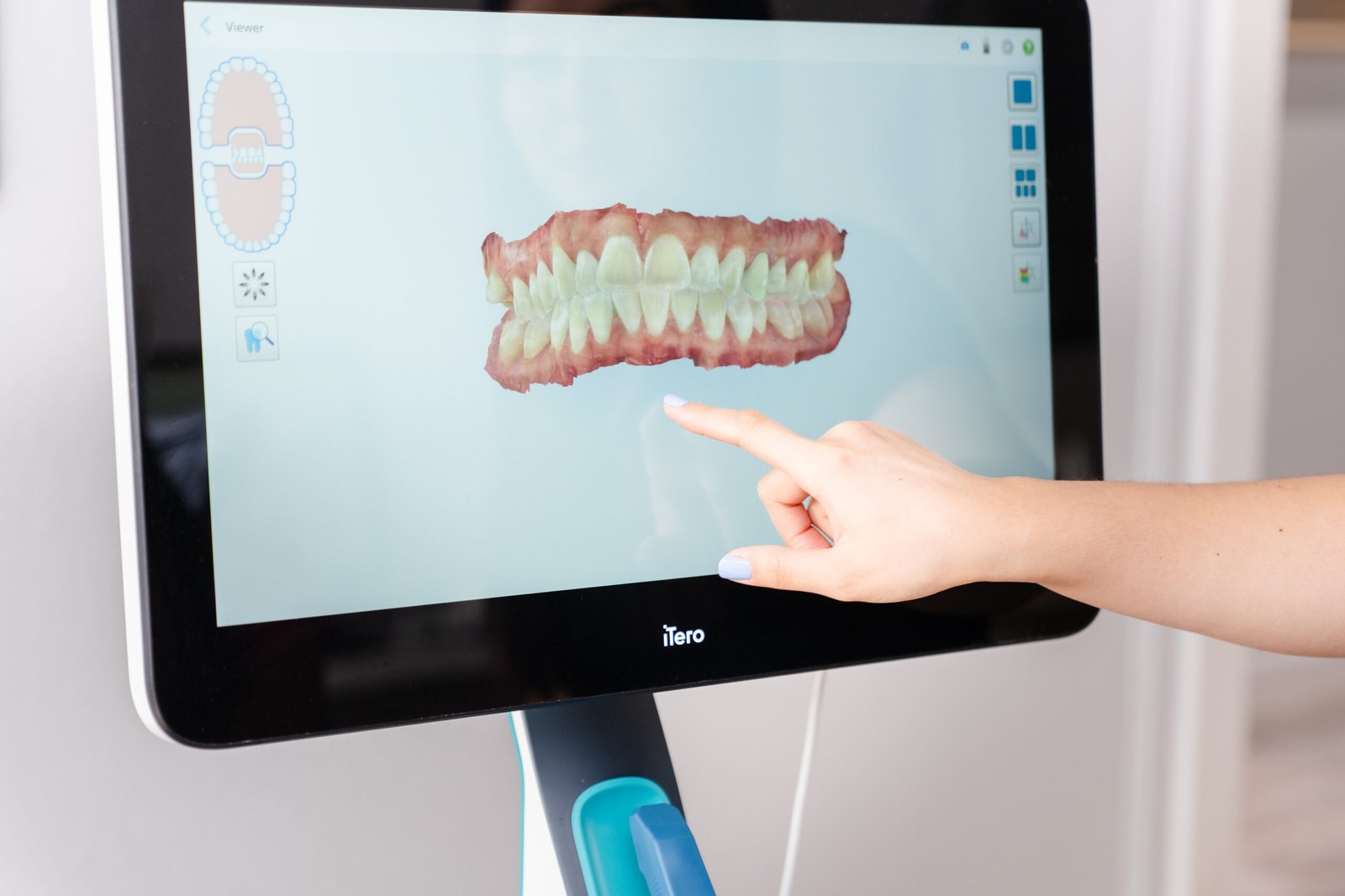
Digital X-rays or emergency dental imaging may also be recommended when trauma, fractures, or more complex injuries are suspected.
The priority is to identify injuries early, especially the ones that could become harder to treat if they are missed.
When to Schedule an Evaluation
If dental pain starts after an accident, it is better to be checked early.
Some injuries can be treated with simple care, such as smoothing a chipped tooth, bonding a small fracture, or adjusting the bite. Other injuries may require dental injury treatment, including root canal treatment, a crown, extraction, implant planning, or follow-up monitoring.
Consider scheduling an accident-related dental evaluation if you notice tooth pain, jaw soreness, sensitivity to hot, cold, or pressure, pain when chewing, a bite that feels different, facial pain, headaches, or symptoms that appear days or weeks after the accident.
Schedule an evaluation with brush365 Dental Injury today to begin comprehensive dental trauma care, understand what happened, what needs attention, and what should be monitored moving forward.