
Dental injuries after an accident can feel urgent and uncertain at the same time. Patients often want to know whether treatment can be completed immediately, how long healing will take, and why follow-up visits may be necessary even after the pain improves.
The answer depends on the type of injury, the stability of the tooth, the condition of the nerve, the bite, and the surrounding bone and gum tissue. Dental injury recovery is often a process, not a single appointment.
BDI helps patients move through that process with dental trauma consultations, evaluation, stabilization, treatment planning, follow-up, and documentation that supports both immediate care and long-term outcomes.
The First Priority Is Urgent Evaluation and Stabilization
The first phase of dental injury recovery is focused on identifying urgent problems and stabilizing the area. This is especially important when a tooth is cracked, displaced, knocked loose, painful to bite on, or associated with swelling.
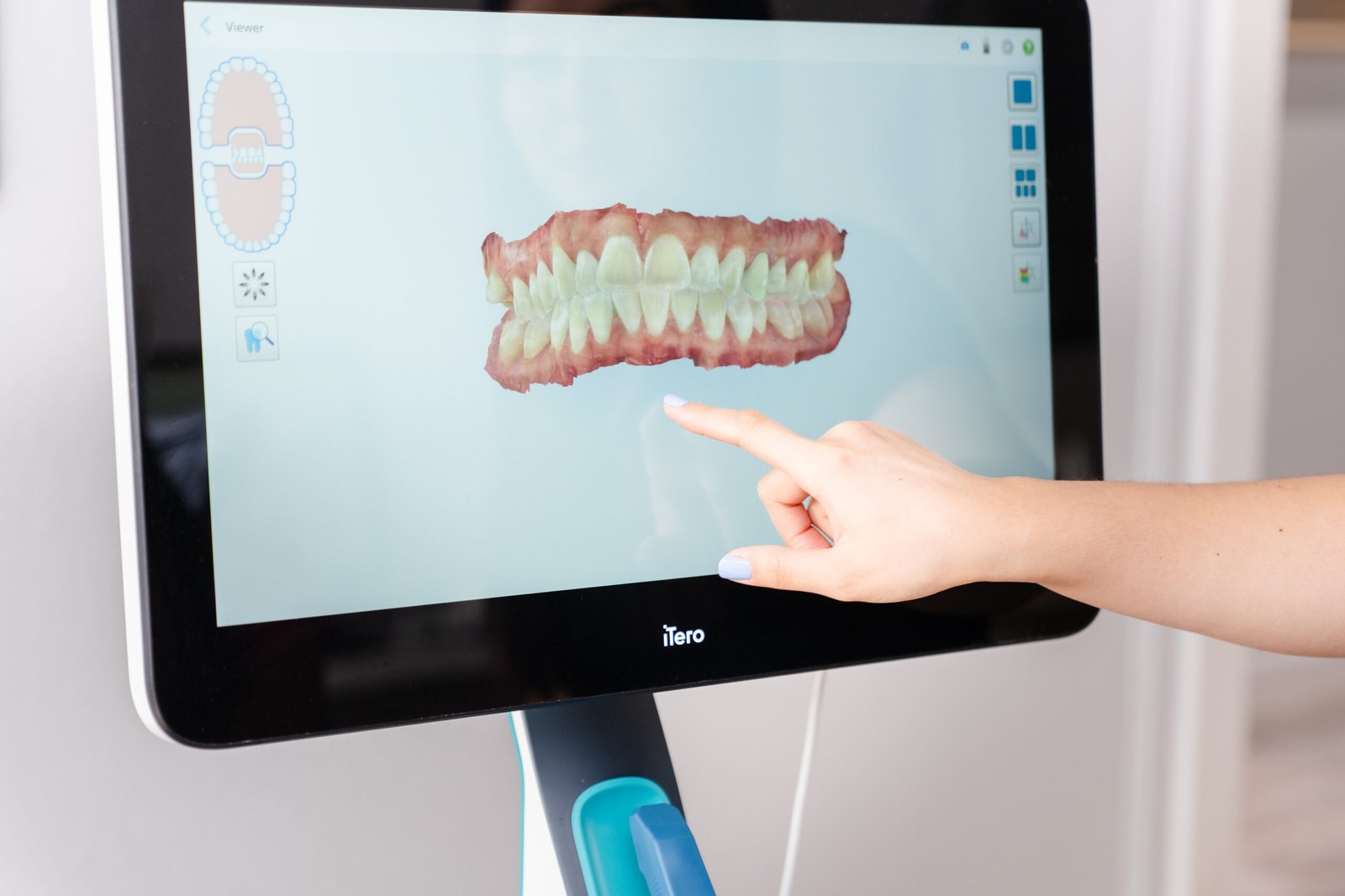
During the first visit, the dental team may evaluate the injured area, review how the accident occurred, take emergency dental imaging when needed, assess the bite, and determine whether immediate treatment is necessary. Dental trauma care often includes prompt evaluation and stabilization to protect long-term oral health.
Urgent care may include:
- Smoothing or bonding a chipped tooth
- Stabilizing a loose or displaced tooth
- Managing pain or swelling
- Treating infection risk
- Adjusting the bite to reduce pressure
- Providing a temporary restoration after injury
- Referring or planning for advanced treatment when needed
The goal of this first phase is not always to finish everything immediately. It is to protect the tooth, reduce risk, and create a clear plan.
Healing Can Take Time, Even When the Tooth Looks Better
One of the most important things patients should understand is that dental trauma can continue to evolve. A tooth may look stable after the initial appointment but still need monitoring because the nerve, ligament, or supporting bone may respond slowly.
Some symptoms improve within days. Others may take weeks to settle. In certain cases, a tooth that seemed healthy at first may later show signs of nerve damage, infection, discoloration, or worsening sensitivity.
This is why follow-up visits matter. They allow the dentist to check whether the tooth is healing as expected, whether the bite remains stable, and whether additional treatment is needed.
A patient may need follow-up if they notice:
- Lingering temperature sensitivity
- Pain when biting or releasing pressure
- Tooth darkening
- Swelling near the gumline
- A loose feeling in the tooth
- Jaw soreness or bite changes
- Pain that improves and then returns
Recovery should be judged by function, comfort, stability, and diagnostic findings, not appearance alone.
Restorative Treatment May Happen in Phases
Some dental injuries can be repaired quickly. Minor chips may be treated with bonding. A fractured or weakened tooth may need a crown. More serious injuries may require root canal treatment, extraction, implant planning, or staged restorative care.
Timing depends on what the injured tooth can safely tolerate. For example, a tooth with nerve inflammation may need time and testing before a final decision is made. A fractured or weakened tooth may need dental crown treatment after injury to restore strength, function, and long-term stability. A missing tooth may require evaluation of bone health, healing, and implant timing before replacement.
Modern restorative options can help shorten parts of the process. Same-day crowns, for example, may restore strength, function, and appearance for cracked or weakened teeth in one visit when the tooth is appropriate for that treatment. However, not every dental injury should be rushed into final restoration. Trauma cases often require careful sequencing.
A typical recovery timeline may include:
- Immediate exam and stabilization
- Short-term symptom monitoring
- Follow-up testing of the nerve and bite
- Temporary or permanent restorative care
- Additional treatment if symptoms change
- Final documentation and long-term maintenance recommendations
The timeline should be explained clearly so patients understand what is happening and why.
Documentation Supports the Entire Recovery Process
Dental injury recovery is not only about treatment. It is also about creating a clear record of the injury, findings, treatment recommendations, and progress over time.
This documentation is especially important after accidents because symptoms may change. Accurate records help connect the initial trauma to dental findings, track healing, and support communication with other providers, insurers, or involved parties when needed.
Good documentation may include the patient’s account of the accident, clinical findings, imaging, diagnosis, treatment provided, recommended follow-up, and changes noted over time.
For patients, this creates confidence. They can see what was found, what was treated, what still needs monitoring, and what the next step should be.
Recovery Is Clearer With the Right Plan
Dental injury recovery is easier to navigate when patients understand that treatment may happen in stages. Urgent stabilization comes first. Healing and monitoring come next. Restorative care follows when the tooth, bite, and surrounding structures are ready.
BDI provides injury-focused dental evaluations and treatment planning for patients recovering from accident-related dental trauma. Schedule an evaluation to begin comprehensive dental trauma care, protect your teeth, clarify your timeline, and make sure your recovery is properly documented.