
Airbags are an essential safety feature. During a collision, they help reduce the risk of severe injury by creating a cushion between the occupant and hard surfaces inside the vehicle.
However, because airbags deploy rapidly, contact with the face can still place significant force on the teeth, jaw, and existing dental work. This does not diminish their importance or mean they caused more harm than they prevented. It simply means car accident dental injuries can be one part of the broader injury picture after an accident.
These injuries are not always obvious at the scene. A tooth may look intact while becoming sensitive several days later. A crown can remain attached but feel loose or uncomfortable. Jaw soreness, headaches, or a change in the bite may appear after adrenaline and swelling begin to settle.
How Airbag Deployment Can Affect the Mouth and Jaw
Several forces can act on the body at once during a collision. The airbag may contact the face as the head moves forward, the seatbelt restrains the torso, and the jaw closes suddenly. The upper and lower teeth may strike each other with more pressure than they experience during normal chewing.
That impact can affect natural teeth, crowns, fillings, veneers, the tissues supporting the teeth, and the jaw joints. It may also contribute to facial soreness or a change in how the teeth come together.
Symptoms can include:
- Pain when biting or releasing pressure
- New sensitivity to hot or cold
- Jaw tightness, clicking, or limited movement that may require a jaw injury evaluation
- A crown or filling that feels different
- Headaches near the temples
- A tooth that feels loose or slightly out of position
- A bite that no longer feels even
Neck, head, and facial injuries often overlap. Someone receiving chiropractic, medical, or rehabilitative care after an accident may assume jaw tension is part of general soreness. A focused dental evaluation can help determine whether the teeth, bite, or jaw joints were also affected.
Dental Injuries May Be Difficult to See
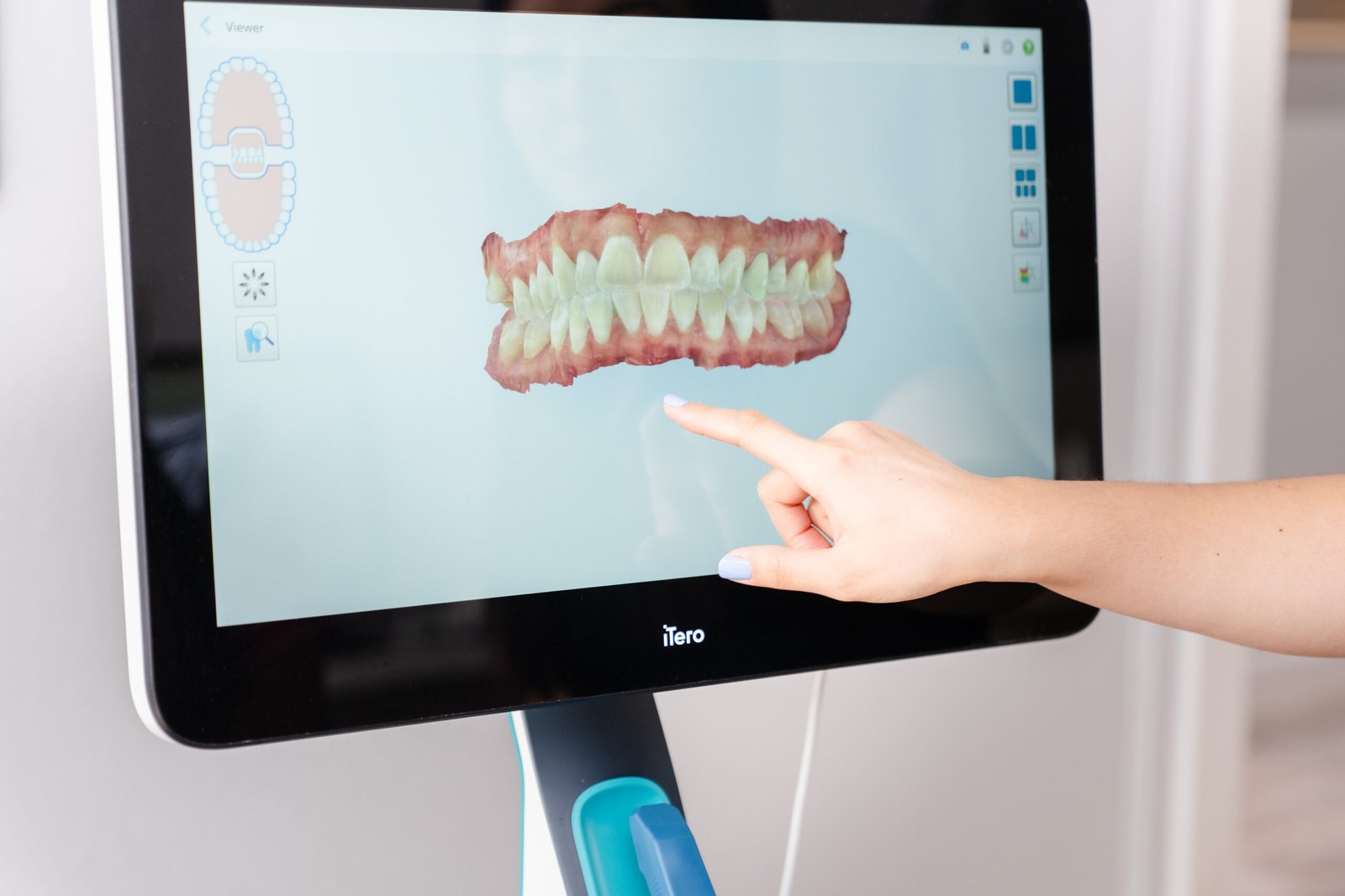
A tooth does not have to be visibly broken to be injured. Small fractures may remain beneath the enamel or extend into areas that cannot be seen during a quick visual check. Emergency dental imaging can help identify injuries below the surface that may not be visible during a standard examination.
Crowns, bridges, veneers, and fillings can also be affected. Accident forces may loosen a restoration, create a gap around its edge, or damage the natural tooth underneath it. Checking both the restoration and its supporting tooth is important because replacing the visible dental work alone may leave an underlying injury untreated.
The ligaments that hold each tooth in place can also be strained. An injured tooth may feel tender, mobile, or slightly out of position. Even a subtle shift can change the bite and place additional pressure on the jaw or surrounding teeth.
Jaw symptoms may take time to become clear. Swelling and protective muscle tension can limit movement during the first few days. As those symptoms change, patients may begin to notice clicking, difficulty opening fully, pain while chewing, or an uneven bite.
Some injuries also evolve after the initial examination. A tooth nerve may appear healthy shortly after the accident and show signs of damage later. Monitoring allows the dentist to identify these changes before they lead to infection, worsening pain, or more extensive treatment.
Where Dental Care Fits Into Personal Injury Recovery
Dental trauma should be considered within the patient’s overall recovery plan. Urgent concerns involving the head, neck, breathing, severe facial swelling, or neurological symptoms require appropriate emergency or medical care first.
Once the patient is medically stable, a trauma-focused dental evaluation can assess the teeth, restorations, bite, jaw joints, and surrounding tissues. Scans, mobility checks, or nerve testing may be used based on the symptoms and clinical findings.
The evaluation also establishes a baseline. This gives the dental team a clear point of comparison if sensitivity increases, a tooth becomes less stable, or jaw movement changes over time.
Treatment may begin with protecting an injured tooth, stabilizing the bite, or managing discomfort while healing is monitored. Dental injury treatment can then progress to permanent restorative care once the condition of the teeth and supporting tissues is clearer.
Detailed records support communication across the personal injury case. Dentists, physicians, chiropractors, rehabilitation providers, attorneys, and insurance professionals may all need an accurate understanding of the symptoms, findings, and treatment timeline. Clear documentation helps keep dental care connected to the patient’s broader recovery.
If you experienced facial contact from an airbag or noticed tooth sensitivity, crown discomfort, jaw pain, or changes in your bite after a collision, schedule at brush365 Dental Injury for a dental trauma evaluation. Our team provides comprehensive dental trauma care to identify injuries that may be difficult to see, document the findings, and coordinate care as part of your personal injury recovery.