
A car accident dental injury can affect your teeth, bite, or jaw even if your face never strikes the steering wheel or dashboard.
During a collision, the seatbelt restrains the torso while the head and jaw may continue moving. The jaw can close suddenly, forcing the upper and lower teeth together, while rapid head movement strains the jaw joints and surrounding muscles.
These injuries are easy to overlook when neck pain, headaches, or other accident-related symptoms feel more urgent. A tooth may appear intact even when its nerve or supporting tissues have been affected. Jaw stiffness, chewing discomfort, or a change in the bite may also become noticeable several days later.
How Dental Injuries Happen Without Direct Contact
When the teeth strike together during impact, the pressure can create small cracks, loosen existing dental work, or strain the ligaments that hold the teeth in place. Rapid movement can also affect the jaw joints, leading to soreness, clicking, headaches near the temples, or difficulty opening comfortably.
Seatbelts remain essential for reducing serious injuries. Because the torso is restrained while the head continues moving, neck strain and jaw symptoms can develop at the same time.
Direct contact may still occur during the collision. Steering wheel impact can damage the front teeth and supporting bone, while dashboard contact may send force through the chin and lower jaw. Even when no contact is remembered, the movement of the crash alone can cause dental trauma.
Signs That Your Teeth or Jaw May Be Injured
Some injuries, such as a broken or knocked-out tooth, are immediately obvious. Others develop gradually.
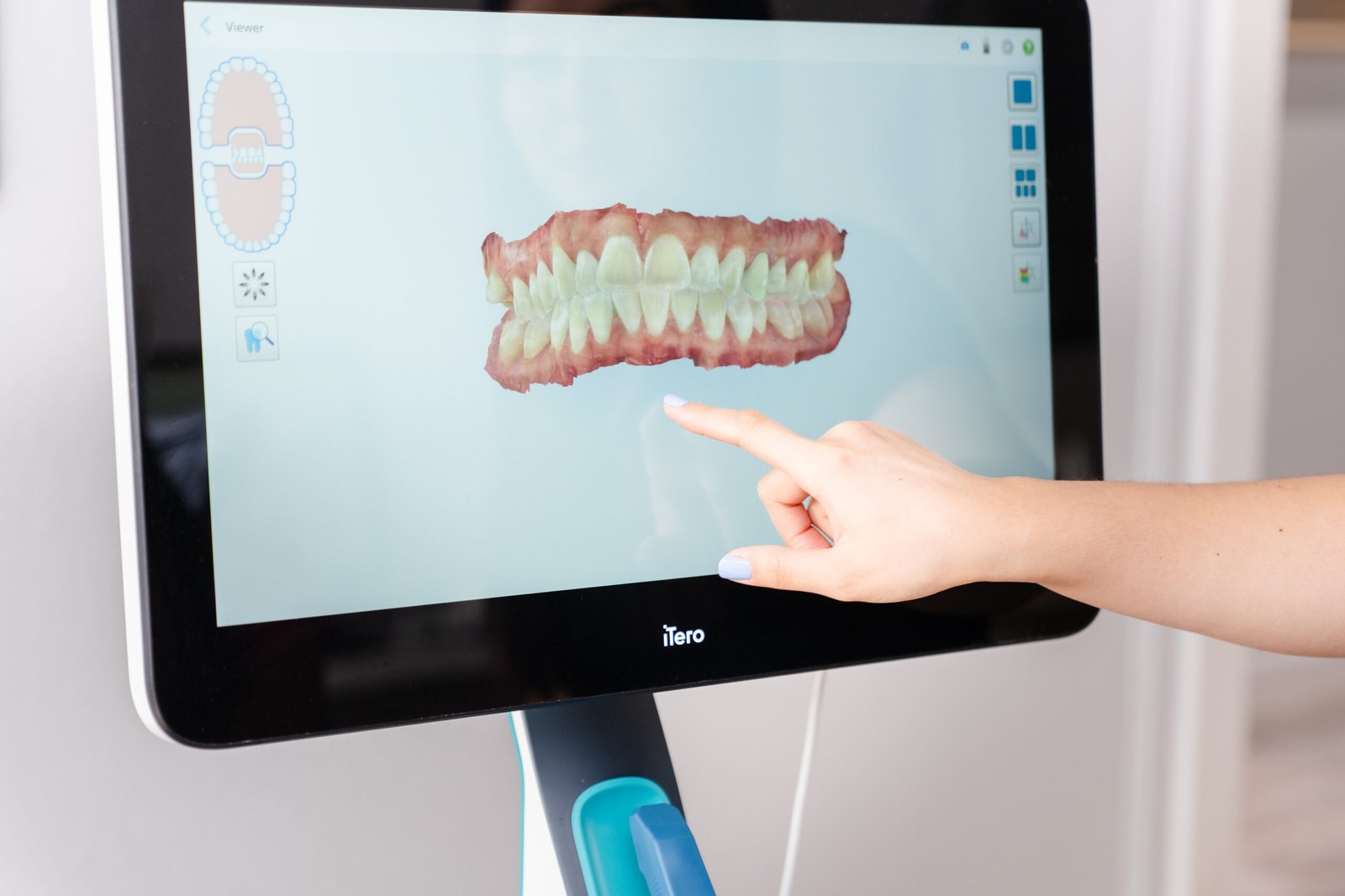
Sensitivity to temperature or pressure, pain when biting, a loose restoration, jaw stiffness, or a bite that feels uneven can all point to an injury. Small fractures and nerve damage may remain hidden beneath the enamel. Emergency dental imaging can help identify injuries that are not visible during a routine visual examination.
Changes in the bite can also shift pressure to other teeth and contribute to headaches or jaw discomfort. Severe swelling, numbness in the lower lip or chin, heavy bleeding, breathing difficulty, or major changes in jaw movement require prompt medical evaluation.
When to Have Your Teeth and Jaw Checked
Dental symptoms after a collision can be easy to dismiss when there is no visible damage. An evaluation can help determine whether the discomfort is related to temporary soreness or a dental injury that needs treatment or ongoing monitoring.
This becomes especially important when symptoms appear several days later, continue to worsen, or interfere with eating and normal jaw movement.
If your teeth, jaw, or bite feel different after an accident, schedule at dental injury team for an evaluation. We provide comprehensive dental trauma care to assess the concern, explain what may have been affected, and help determine the appropriate next step as part of your personal injury recovery.