
A dental injury can affect more than the visible tooth. The bone that surrounds the roots and helps hold the teeth in place can also be injured after a fall, sports accident, vehicle collision, or direct blow to the mouth.
When that supporting bone is damaged, the teeth may loosen, shift, or stop fitting together the way they did before the accident. In some cases, several neighboring teeth may move together because the injured area involves a larger section of bone rather than a single tooth socket. When a dental injury affects multiple teeth, the dentist must consider how the supporting structures and surrounding teeth are affected together.
These injuries are not always obvious from appearance alone, which is why a focused dental trauma evaluation may include imaging when the examination suggests deeper structural damage.
What Bone Injury Can Look Like After Dental Trauma
The alveolar bone forms the sockets that support the teeth. A strong impact can fracture part of that bone even when the crowns of the teeth remain relatively intact.
One of the more noticeable signs is movement involving several teeth at once. A group of teeth may feel loose together, appear slightly displaced, or no longer meet the opposing teeth normally.
Patients may also notice pain when biting, swelling or bleeding around the gums, tenderness in the injured area, or difficulty chewing comfortably.
Those symptoms can point toward an injury involving the supporting structures, but the dentist still needs to determine whether the problem is limited to the teeth, involves the surrounding bone, or includes both.
How Dentists Evaluate the Supporting Bone
The examination usually starts with the position and stability of the affected teeth.
The dentist may check whether individual teeth are mobile, whether several teeth move together, and whether the bite has changed since the accident. The gums and surrounding tissues are also examined for swelling, bleeding, or other signs of trauma.
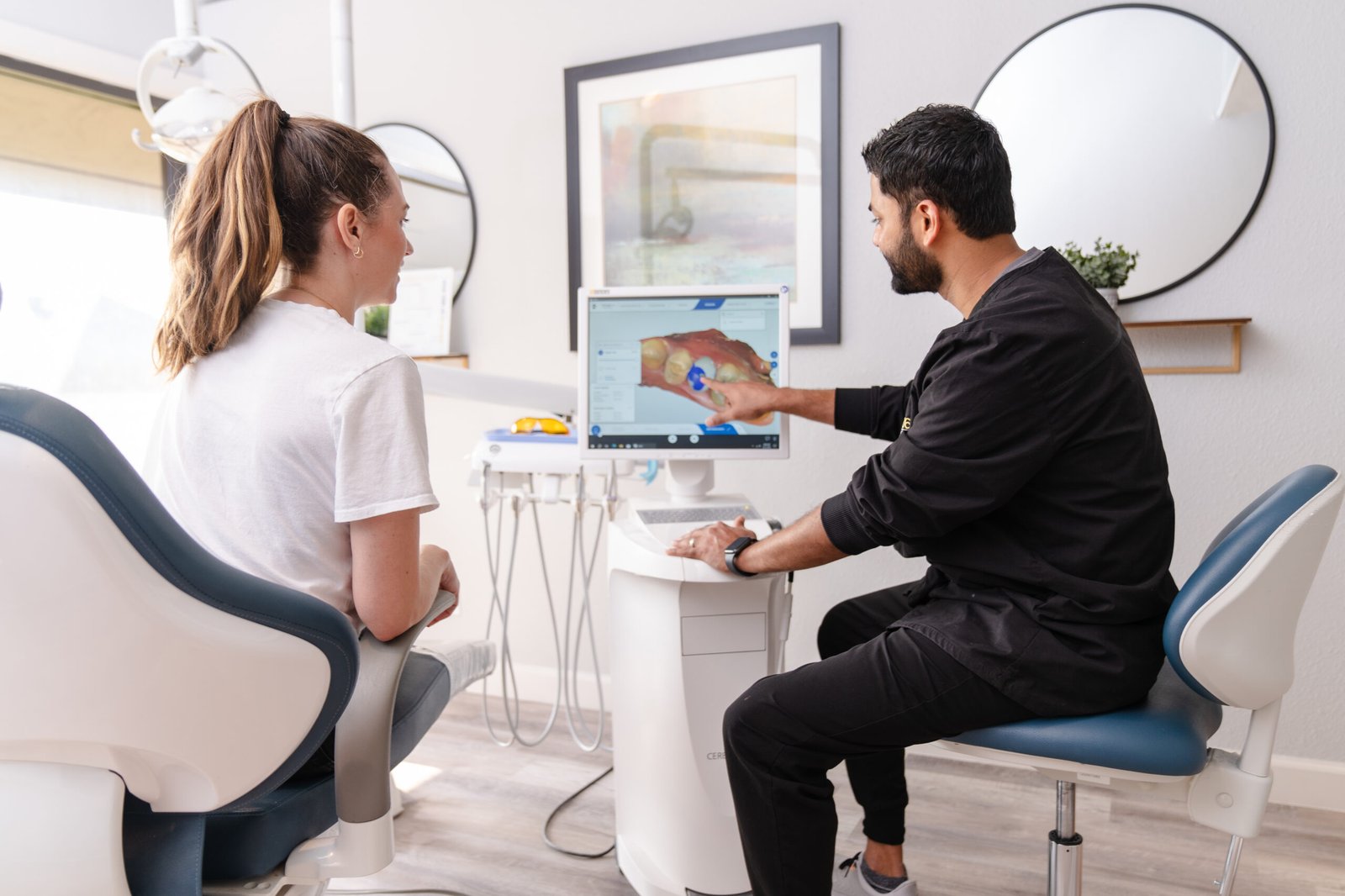
Emergency dental imaging, including dental X-rays when appropriate, may help evaluate the roots and supporting bone when the extent of the injury is not clear from the clinical exam alone. In more complex cases, additional imaging may be considered if it would provide information that changes treatment planning. 3D imaging for dental trauma may provide additional detail about structures that are difficult to assess with standard images.
The purpose of imaging is to clarify the injury rather than use advanced technology routinely. The dentist is trying to understand whether the bone has fractured, whether a tooth has shifted within its socket, and whether the area remains stable enough to heal without additional support.
How Bone Damage Can Affect Treatment
Treatment depends on how much the supporting bone has been affected and whether it has shifted from its normal position.
If a section of bone has moved along with the teeth it supports, the area may need to be repositioned and stabilized. A flexible splint may be used in some cases to support the injured segment while healing takes place.
More extensive injuries involving the jaw or facial bones may require evaluation by an oral and maxillofacial surgeon. When the injury also involves jaw pain, movement, or changes in alignment, a jaw injury evaluation may help determine what additional assessment is needed.
The teeth within the injured area also need to be monitored as recovery continues. Trauma to the supporting bone can occur alongside damage to the periodontal ligament or the blood supply inside the teeth. Later complications can include changes in tooth vitality, root resorption, infection, or renewed mobility.
Follow-up care after dental trauma may include bite checks, mobility assessment, pulp testing, and repeat imaging when there is a clinical reason to reassess the area.
If several teeth became loose, shifted together, or your bite changed after an accident, contact brush365 Dental Injury for an evaluation. A focused trauma exam can determine whether the supporting bone was affected and what type of treatment or follow-up may be appropriate.