A chipped or fractured tooth does not always need the same type of repair.
Some injuries remove only a small amount of tooth structure and can be restored conservatively with composite resin. Others weaken enough of the tooth that a crown provides better protection against future chewing forces.
The decision depends on how much healthy structure remains, where the fracture occurred, how deep it extends, and how much pressure the tooth handles during normal use.
When a Filling or Bonding May Be Enough
Smaller injuries can often be repaired without covering the entire tooth.
Composite resin may be appropriate when the fracture is localized, the remaining tooth structure is strong, and the damaged area can support a stable restoration. This is common with minor chips or small fractures that do not significantly weaken the tooth.
A filling or bonding restoration may be considered when:
- The damaged area is relatively small
- The remaining walls and cusps are intact
- The pulp has not been significantly affected
- The tooth can still tolerate normal biting forces
- There is enough healthy structure to support the restoration
Front teeth with small edge fractures may be especially well suited to bonding when the rest of the tooth is healthy.
Larger restorations require more caution. Adding filling material to a tooth that has already lost substantial structure may leave the remaining enamel vulnerable to another fracture.
When a Crown Provides More Protection
Dental crown treatment after injury may be recommended when the remaining tooth structure needs broader support. A crown covers the visible portion of the tooth and can help protect weakened areas during normal chewing.
This can happen when a large portion of the tooth has broken away, a fracture involves one or more cusps, or the tooth already contains a large filling that leaves less natural structure available.
Back teeth often require closer consideration because molars and premolars absorb greater chewing forces. If an injury weakens the chewing surface, a crown can help distribute those forces across the restored tooth rather than concentrating pressure on the remaining walls.
Cracked teeth may also require crown coverage when the fracture pattern leaves the tooth vulnerable to continued movement under pressure. The dentist still has to determine whether the crack is restorable. A fracture that extends too deeply below the gumline or into the root may change the treatment options entirely.
How Pulp Health, Existing Dental Work, and Tooth Structure Shape the Decision
The visible fracture is only part of the evaluation.
If the injury extends toward the pulp, additional testing may be needed to determine whether the nerve has been damaged. A tooth that requires root canal therapy will then need to be restored in a way that protects the remaining structure.
Many back teeth treated with root canal therapy receive crowns because they often have already lost considerable tooth structure and continue to carry significant chewing forces. The final restoration still depends on the condition of the individual tooth.
Existing dental work can influence the recommendation as well, especially when old dental work fails after an accident or the remaining tooth structure becomes weakened. A tooth with a large filling may have fewer intact walls available after an injury, and replacing that filling alone may not provide enough reinforcement if the fracture has weakened the surrounding structure. When dental work breaks after an accident, the dentist also needs to determine whether the damage involves only the restoration or the natural tooth underneath.
In selected cases, a partial-coverage restoration such as an onlay may be considered when the tooth needs more protection than a filling but does not require full crown coverage.
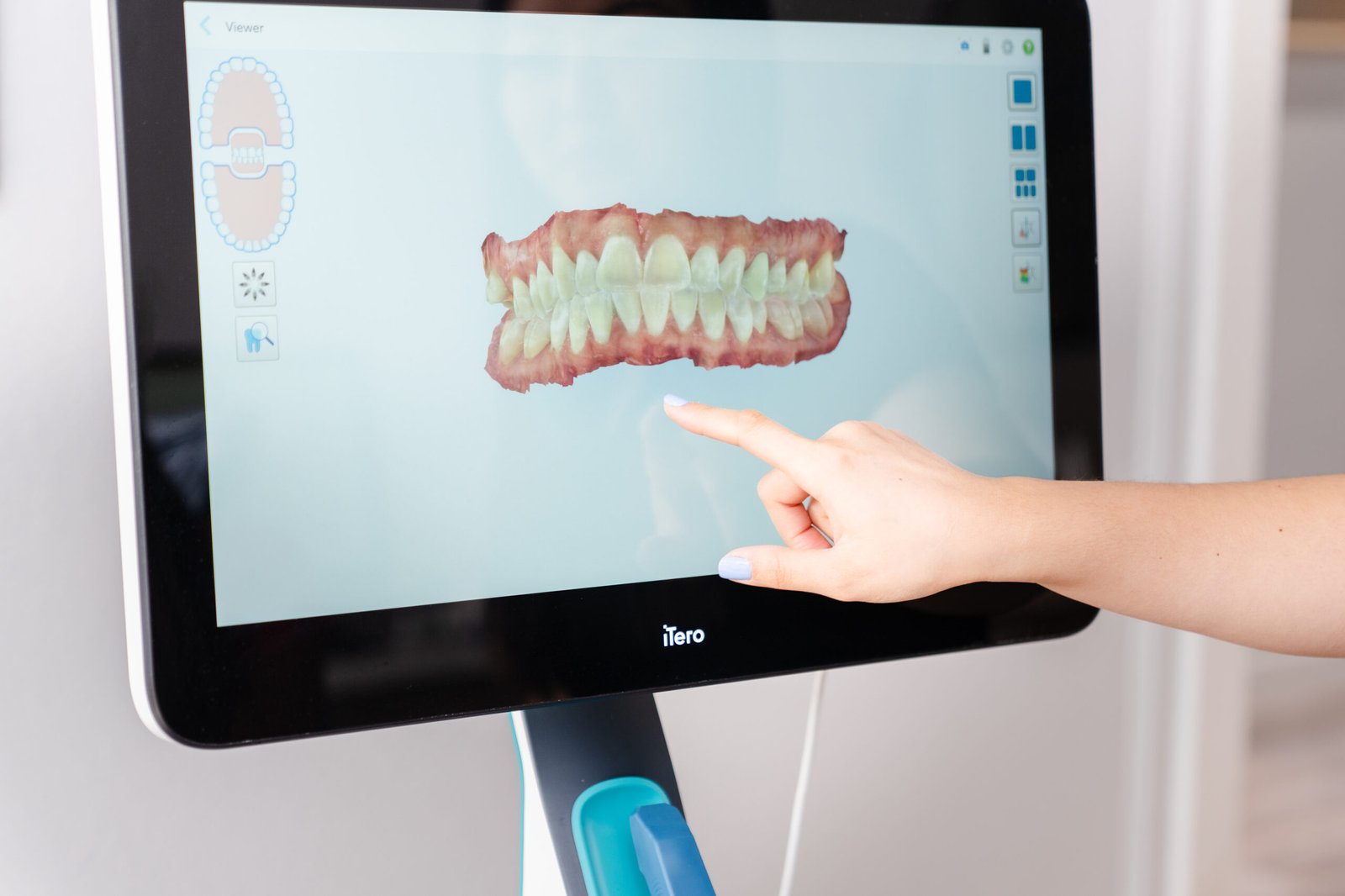
The dentist also considers how much healthy enamel and dentin remain, the location and direction of the fracture, bite forces, existing restorations, and whether the pulp or root has been affected. Emergency dental imaging and additional testing may be used when the injury extends deeper or symptoms suggest more than surface damage.
Together, those findings help determine how much support the tooth needs while preserving as much healthy structure as possible.
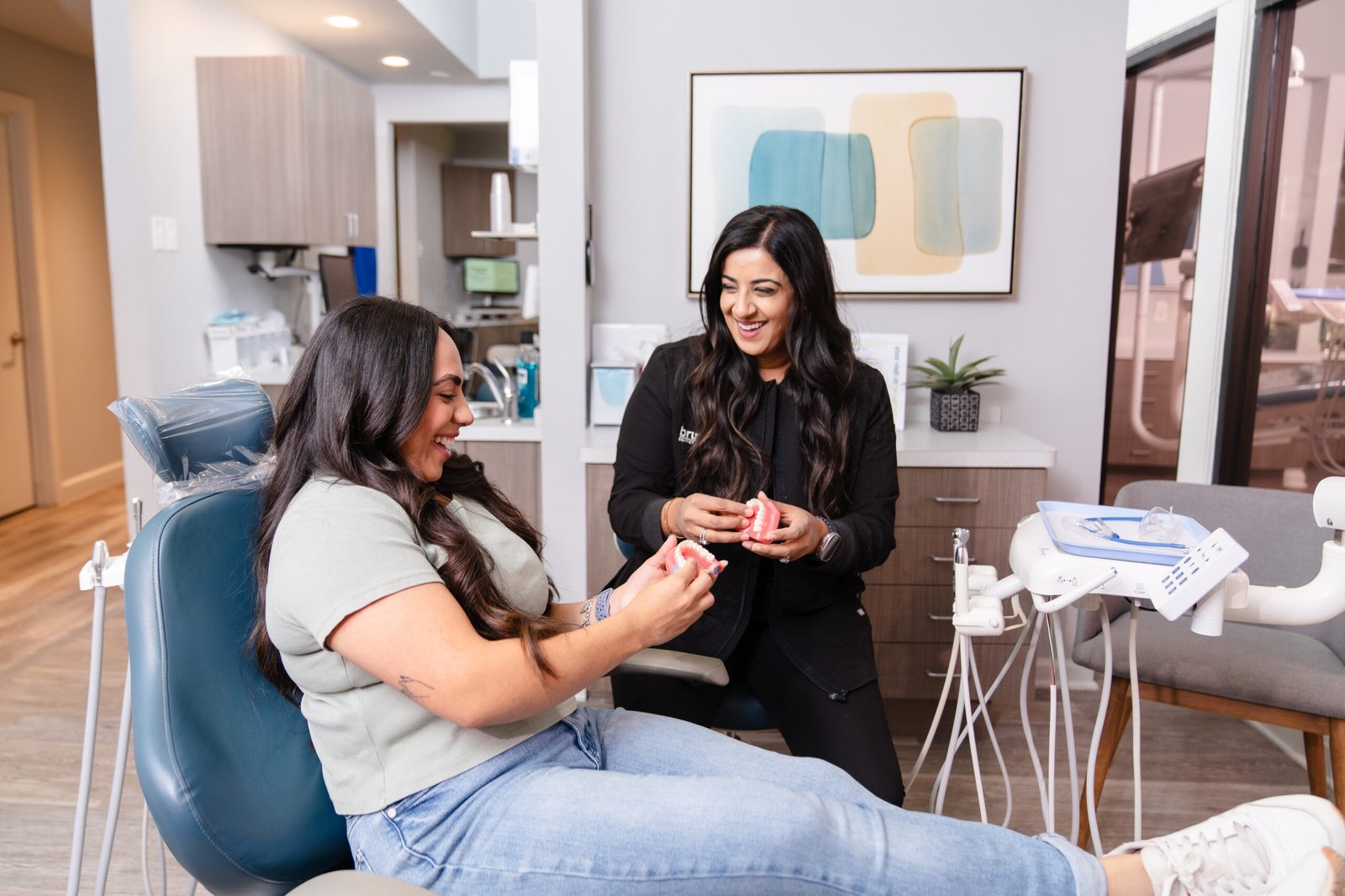
If you have a chipped, cracked, or broken tooth after an accident, contact brush365 Dental Injury for a restorative evaluation. The dentist can determine whether bonding, a filling, a crown, or another restoration is the better fit for the damaged tooth.