
After an accident, the dental side of recovery can become complicated quickly.
A tooth may need to be stabilized, imaging may be needed, and follow-up care may already be on the horizon. At the same time, patients are trying to understand insurance and payment for dental injury care, legal timelines, and how treatment will be paid for.
Personal Injury Protection and Letters of Protection can both be involved in accident-related dental care, but they work differently. PIP is insurance coverage that may apply to treatment after an auto accident, while an LOP is a separate payment arrangement connected to a personal injury case.
How PIP Works for Dental Injury Care
Personal Injury Protection, or PIP, is part of an auto insurance policy and may help cover accident-related medical and dental expenses when the policy and claim allow it.
In practical terms, the insurer is the source of coverage.
If PIP may apply, patients should bring any available claim information to the dental appointment. The dental team can provide dental injury documentation and treatment information needed for the claim.
Coverage is still determined by the insurance policy. Limits, eligibility, and payment decisions can vary, so PIP should not be assumed to cover every procedure automatically.
The dental evaluation should still happen promptly. Cracks, bite changes, restoration damage, and nerve-related symptoms may not be obvious immediately after the accident.
How an LOP Is Different
A Letter of Protection, or LOP, is not insurance.
It is an arrangement associated with a personal injury case that may allow qualifying treatment to move forward while payment is deferred until the case is resolved. Understanding how dental injury financing and Letters of Protection work can help patients see how treatment, payment timing, and the legal case may fit together.
In practical terms, the treatment is not being paid through an insurance benefit in the same way PIP is. The LOP addresses how payment will be handled later.
Patients using an LOP should provide their attorney’s information and any relevant case details when scheduling. Because the legal and financial terms can vary, those terms should be reviewed directly with the attorney.
The LOP does not determine what dental treatment is needed. The dentist still decides what requires immediate care, what can be monitored, and when permanent treatment should be completed based on the condition of the injury.
What Patients Should Expect During an Injury Case
Dental trauma may involve more than one visit.
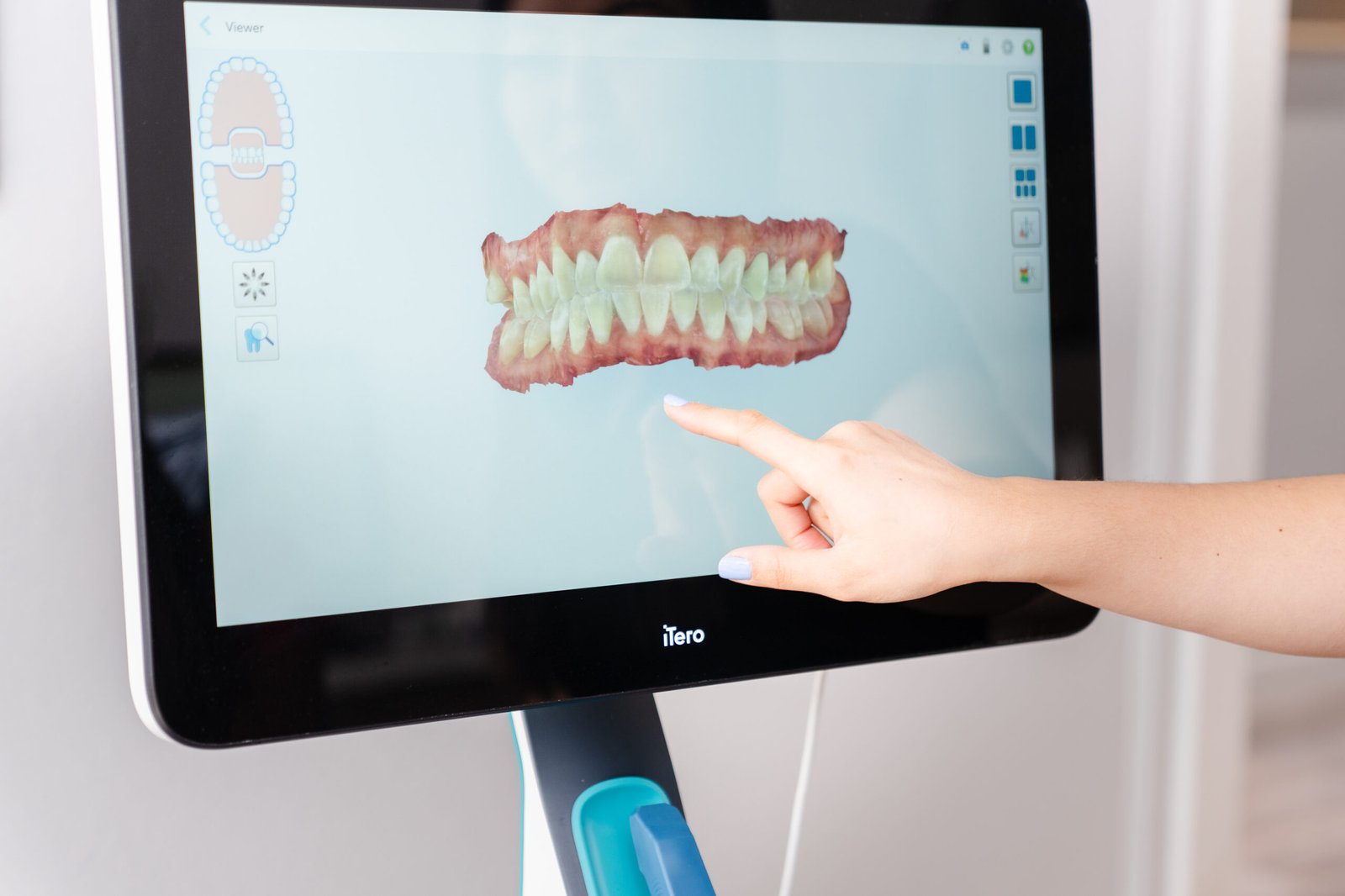
The initial appointment is used to identify what was injured and whether anything needs immediate treatment. Depending on the case, this may include photographs and digital scans, diagnostic imaging after a dental injury, bite evaluation, and clinical findings.
Follow-up visits may be used to monitor healing, reassess the bite, evaluate nerve response, or move forward with restorative treatment once the area is stable.
Whether the patient is using PIP or an LOP, the treatment plan is based on the injury itself. The difference is how the financial side of the case is handled.
If you have dental or jaw symptoms after an accident, schedule an evaluation with brush365 Dental Injury. If you may be using PIP, bring your claim information if available. If you are working with an attorney and may be using an LOP, provide the attorney’s contact information as well. The team can evaluate the injury, explain what needs attention first, and outline the next steps for treatment.