A dental injury can look different a few days or weeks after the accident than it did at the first visit.
A tooth may shift slightly. A crack may become easier to identify. Swelling can resolve and reveal bite changes that were harder to assess initially. Clear dental injury documentation makes those changes easier to interpret as the case develops and provides a clinical record that can be compared throughout treatment.
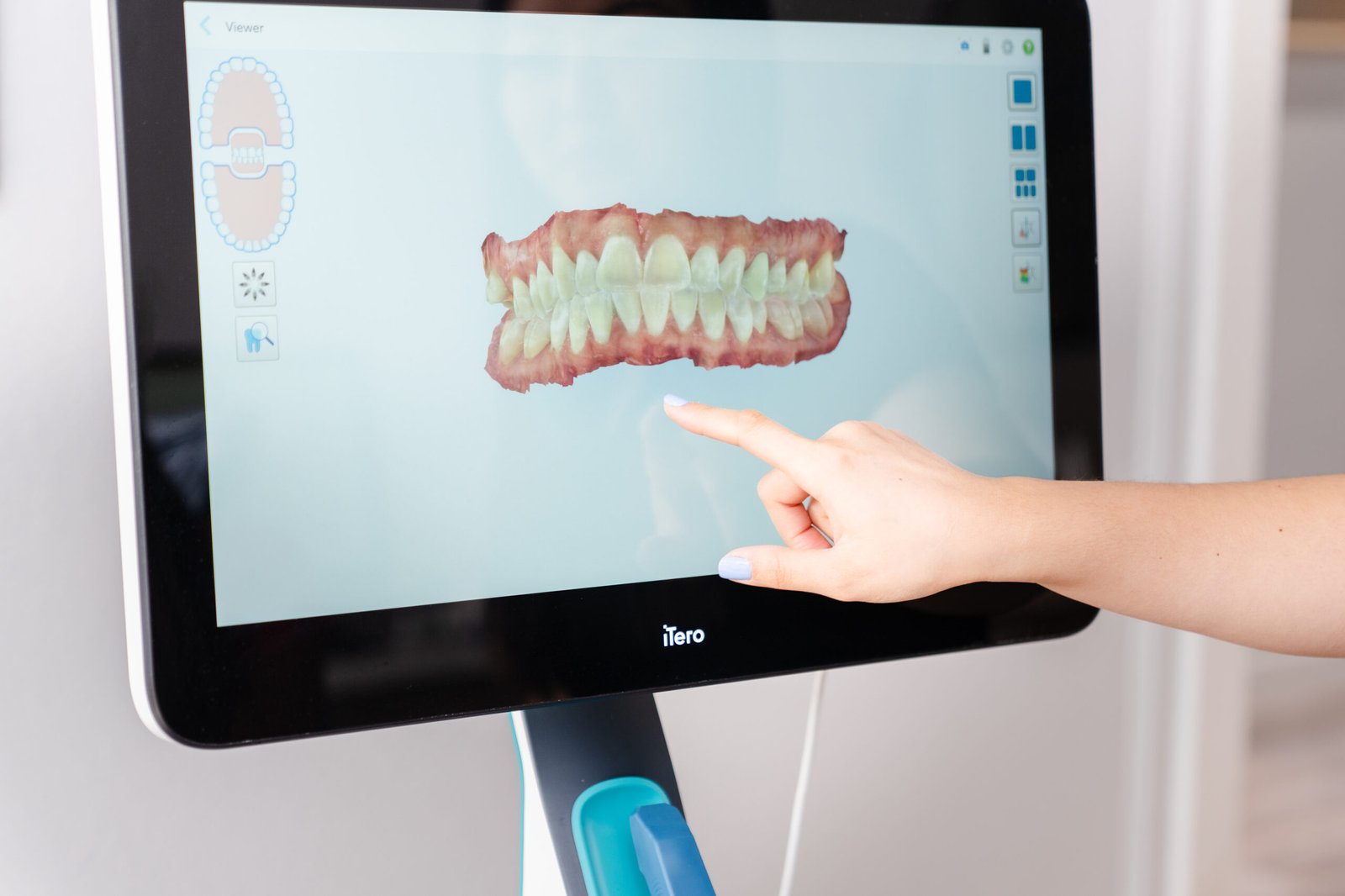
At brush365 Dental Injury, photographs and intraoral scans may be used to document the condition of the teeth and surrounding tissues at the time of evaluation and support treatment planning as care progresses.
What Clinical Photos Add to an Injury Record
Photographs capture details that written notes cannot always describe as clearly. They may show a chipped or fractured tooth, soft tissue injury, bruising, swelling, changes in tooth position, visible enamel damage, or the condition of restorations near the injured area.
That visual record becomes useful when the injury evolves. If a fracture becomes more apparent or tissue healing changes the appearance of the area, later images can be reviewed alongside the original findings rather than relying on memory alone.
This is particularly relevant in trauma care because the full effect of an injury is not always clear at the first appointment.
How Digital Scans Capture the Bite More Precisely
Digital scans provide a different type of information.
An intraoral scan creates a detailed digital model of tooth shape, position, spacing, and how the upper and lower teeth relate to each other. That can be especially useful when a patient reports that the bite feels different after an accident. A bite that feels different after an accident may indicate changes in tooth position, contact, or other structures involved in normal jaw function.
A small shift may be difficult to describe verbally. A scan gives the dental team a more objective way to assess tooth position and bite relationships, particularly when trauma has affected the way the teeth come together.
Digital scanning can also support restorative planning if damaged teeth later need dental crowns after an injury, bridges, or other treatment.
Why Documentation Matters as the Injury Evolves
Dental trauma does not always tell its full story at the first appointment.
A tooth may need immediate stabilization, while nerve response, bite changes, or damage to supporting tissues may become clearer over time. That is why injury care often involves more than one visit and more than one type of record.
For the patient, photos and scans help create a clearer picture of what the mouth looked like after the accident and how it changed during treatment. If a tooth shifts, the bite changes, or a damaged area becomes more noticeable later, the dental team has earlier records to review rather than relying only on memory or a verbal description.
That can make follow-up decisions more precise. It may help show whether a condition is improving, staying stable, or developing in a way that changes the treatment plan.
In injury cases, documentation also helps keep the timeline of care organized. Clinical photographs, digital scans, dental imaging after an injury, examination findings, and progress notes can work together to show what was found, what was treated, and what still needed monitoring at each stage. Digital scans document the surfaces and positioning of the teeth, while 3D imaging for dental trauma may provide additional information about roots, bone, and other structures beneath the surface when clinically appropriate.
For BDI, that record supports continuity and accuracy throughout the case. The purpose is not to predict what will happen next, but to make sure treatment decisions are based on what was actually observed as the injury evolved.
If you’ve had a dental injury after an accident, schedule an evaluation with our team. Photos, digital scans, imaging, and clinical findings can help document the condition clearly from the start and give the dental team a more complete record to follow as treatment progresses.