
A dental injury can change more than one tooth. A fractured front tooth may look shorter, a displaced tooth may sit differently from the one beside it, and even a small change in the bite can affect how the teeth line up when you smile.
That is why post-accident dental repair often requires more than fixing the most obvious chip or fracture. The dentist has to look at tooth position, proportions, bite relationships, gum levels, and how the damaged area fits with the rest of the smile.
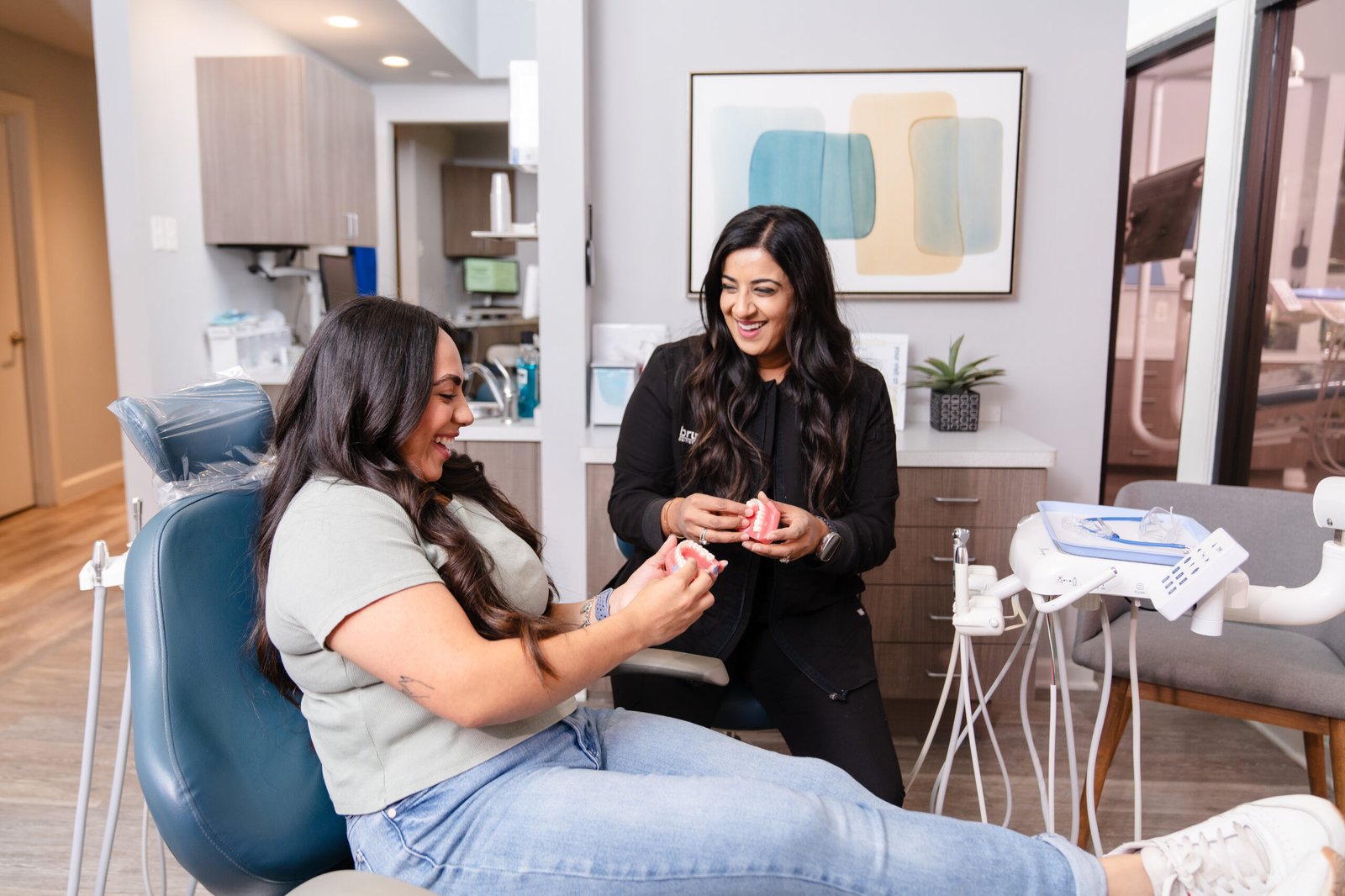
At brush365 Dental Injury, restorative planning after trauma starts with understanding what changed and which parts of the injury need to be addressed first.
The Smile Has to Be Evaluated as a Whole
After an accident, visible damage is only part of the picture.
A tooth may be fractured, loosened, or displaced, while the root, supporting bone, or surrounding tissues have also been affected. The bite may feel different, or one tooth may begin contacting earlier than the others. Those details influence how the final repair should be planned.
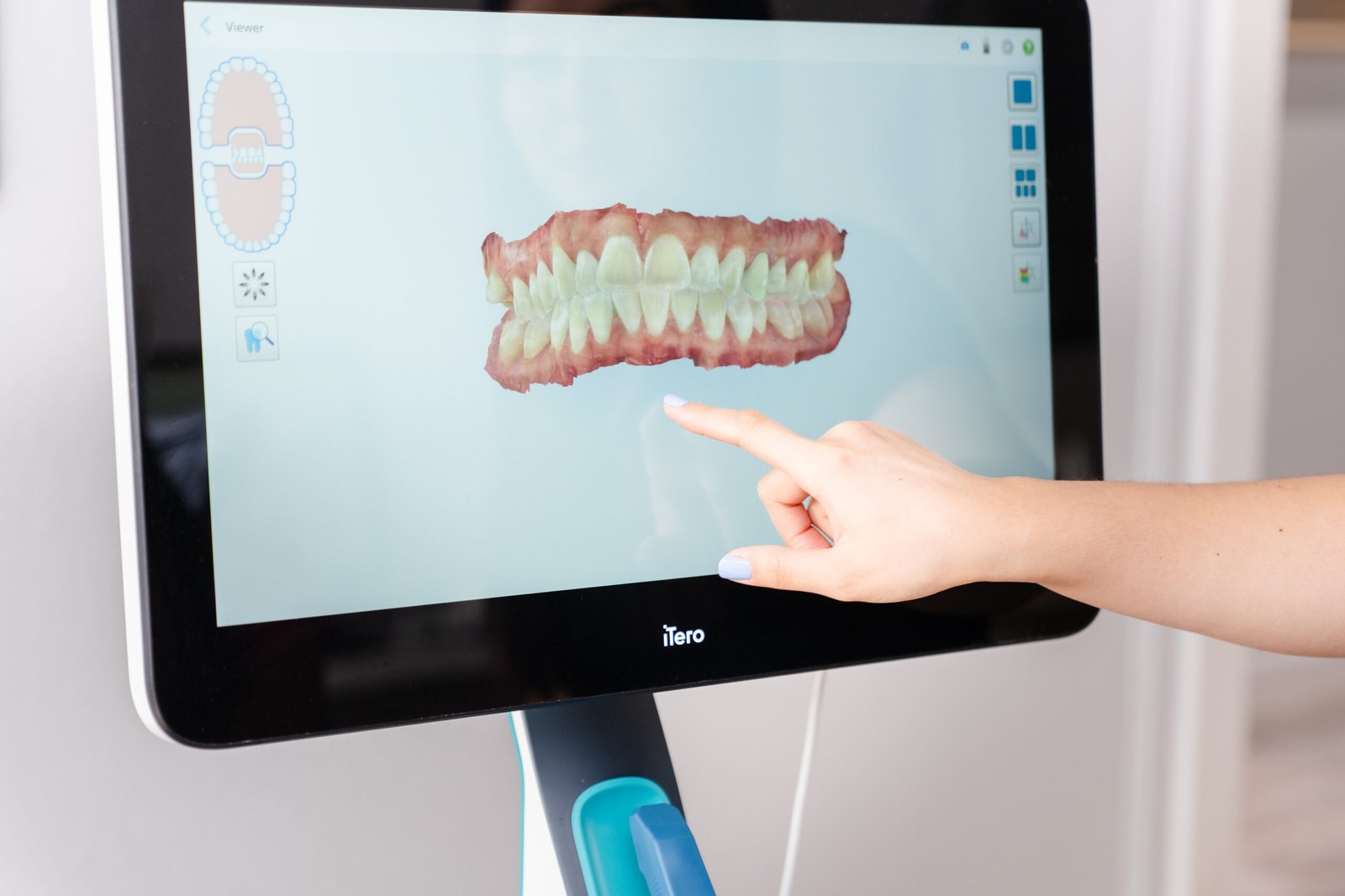
The dentist may compare tooth length and position, check the health of the nerve and root, evaluate gum and bone support, and look at whether the centerline or overall symmetry of the smile has changed. Emergency dental imaging and clinical photographs may also be used to document the injury and support treatment planning.
The goal is to understand the full effect of the trauma before deciding how the damaged teeth should be rebuilt.
Why Tooth Position and Bite Affect the Final Result
A restoration can match the color of the surrounding teeth and still feel or look wrong if the injured tooth is no longer in the same position.
For example, rebuilding a fractured front tooth requires more than replacing the missing enamel. The dentist also needs to consider the height of the neighboring tooth, how the edge should line up, and whether the bite will place too much force on the repair.
If a tooth shifted during the accident, restoring its shape too early may make the smile look uneven or complicate the bite later.
That is why appearance and function are planned together. Bonding, dental crowns after injury, repositioning, or orthodontic movement may each have a role depending on the injury, but the order matters.
Some teeth can be repaired conservatively. Others may need stabilization or healing before a final restoration is placed. When several teeth are involved, digital planning can help coordinate proportions and tooth position before treatment is completed.
Restoring the Smile Means Restoring How It Works
A successful post-accident repair should look natural, but it also has to function comfortably. Dental injury treatment considers both goals so the restored teeth can tolerate normal chewing forces, meet the opposing teeth correctly, and remain maintainable over time.
The restored teeth need to tolerate normal chewing forces, meet the opposing teeth correctly, and remain maintainable over time. That may require more than one phase of care when the accident has affected tooth position, bite stability, or several teeth at once.
At BDI, the treatment plan is built around the injury as a connected problem rather than treating each visible defect separately.
If an accident has changed the shape, position, or symmetry of your teeth, schedule a restorative dental injury evaluation with our team. Our approach to comprehensive dental trauma care can assess what changed, determine which areas need attention first, and plan the repair around both the appearance and function of your smile.