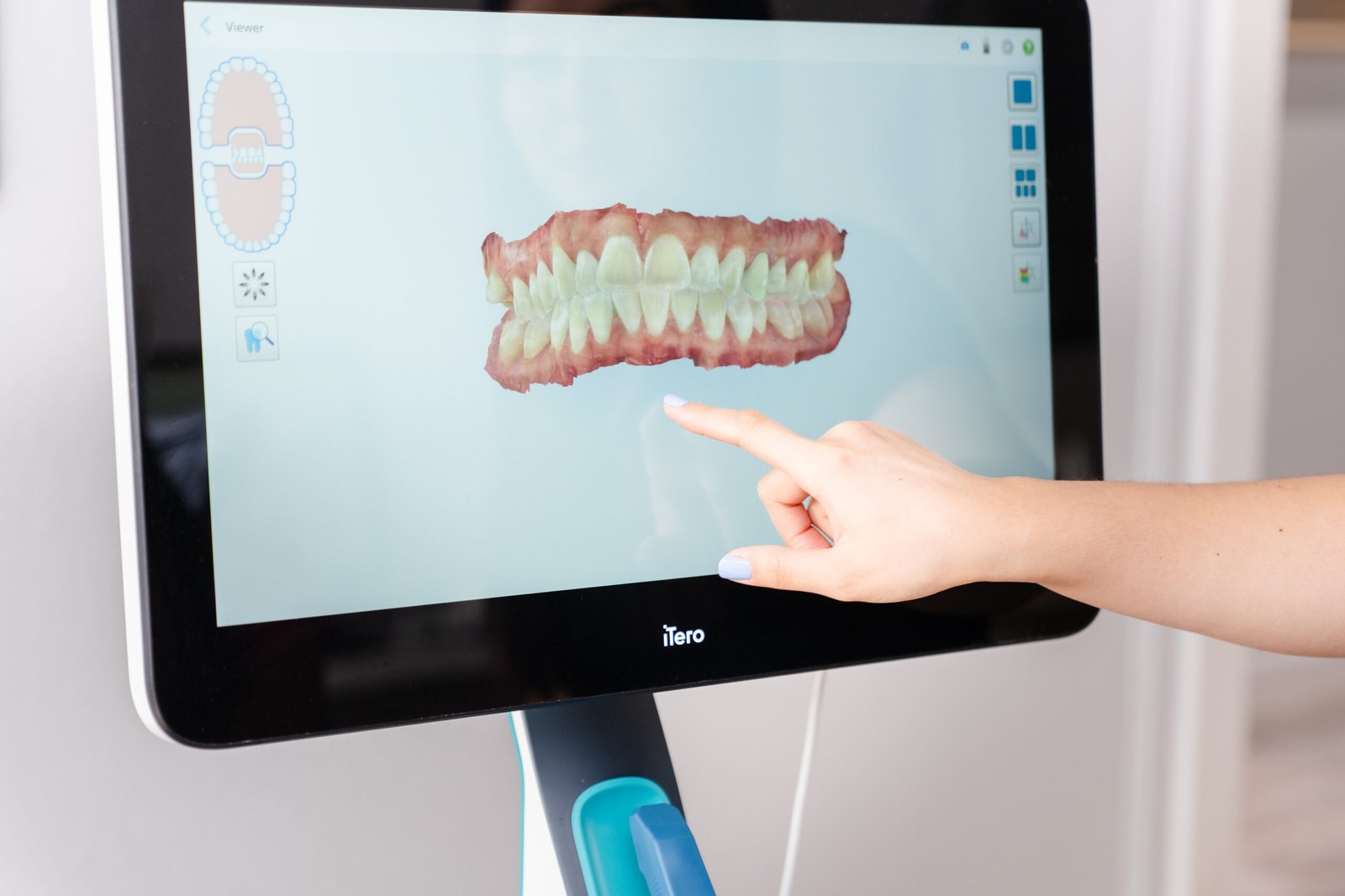

A tooth can change color after a car accident or other dental injury, fall, workplace injury, sports impact, or other trauma, even when the enamel still looks intact.
The change may appear within hours or develop gradually over weeks or months. It can come from bleeding inside the tooth, changes in blood flow, or damage to the pulp, which contains the nerve and blood vessels.
Color gives the dentist an important clue, but it does not tell the full story on its own.
What Different Color Changes Can Suggest
A pink or reddish tooth may appear shortly after an impact when small blood vessels inside the tooth have been injured. Blood can move into the dentin beneath the enamel, making the color visible from the outside. This may improve, but it can also point to a more significant pulp injury.
Gray, brown, or dark discoloration may develop when the pulp loses its blood supply or begins to break down. The tooth may have little pain because nerve function has already changed, even while inflammation or infection develops near the root.
A yellow tooth may be responding by producing more dentin inside the pulp chamber. This can narrow the space inside the tooth over time. The tooth may remain stable, but the change should still be monitored because it can affect future treatment.
Color Is Only One Part of the Injury
A discolored tooth may also become sensitive, painful when biting, loose, or tender around the gum. Swelling, drainage, a small bump near the root, or a change in how the teeth come together can indicate that the injury is progressing.
Symptoms may also fade. A tooth that hurt after the accident and later stopped hurting has not necessarily recovered. Reduced sensation can happen when the pulp is no longer responding normally.
Some complications develop slowly, which is why an injured tooth may need follow-up even when the first exam does not show a clear problem.
How the Tooth Is Evaluated and Treated
The evaluation begins with how the injury happened, whether the tooth moved, and when the color change appeared. The dentist may check for cracks, looseness, bite changes, and tenderness around the tooth.
Temperature or electrical testing can help assess how the pulp is responding, while emergency dental imaging may reveal a root fracture, bone changes, or signs of infection. A recently injured tooth may not respond clearly at first, so follow-up testing is sometimes needed to see whether the pulp is recovering or losing vitality.
A discolored tooth does not always need immediate root canal treatment. The decision depends on the color change, symptoms, test results, imaging, and how the tooth changes over time.
Monitoring may be appropriate when the tooth is stable and there are no clear signs of infection. Dental injury treatment may be recommended when the pulp is irreversibly damaged or infected, especially if pain, swelling, drainage, worsening discoloration, or changes around the root develop.
Once the tooth is healthy and stable, its appearance may be improved with internal whitening, professional whitening, bonding, a veneer, or a dental crown after injury depending on the remaining tooth structure and severity of the discoloration.
When to Seek Care
A tooth that turns pink, gray, brown, or yellow after a personal or workplace injury should be evaluated, even when it does not hurt.
brush365 Dental Injury examines trauma-related color changes alongside the condition of the pulp, root, bite, and surrounding tissues. Testing and imaging help determine whether the tooth can be monitored, needs treatment, or is developing a delayed complication as part of comprehensive dental trauma care.
Contact us today if a tooth changes color after an accident, especially when the change appears with pain, swelling, looseness, drainage, or a new bite problem.