A crown or veneer can crack, loosen, or come off during a car accident, fall, workplace incident, sports injury, or other sudden impact. Damage can happen even when there is no visible injury to the face.
During an accident, the teeth may strike together, the jaw may close forcefully, or the mouth may absorb pressure from a direct impact. That force can damage the restoration, weaken its bond, or fracture the natural tooth underneath.
A dental crown treatment after injury evaluation can determine whether the crown or veneer can be repaired, needs to be replaced, or is covering a deeper problem.
How an Accident Can Affect Dental Work
Crowns and veneers are made to handle normal biting and chewing. Sudden trauma can place far more pressure on them in a very short amount of time.
Veneers cover the front surface of the tooth, making them especially vulnerable to direct impact and sideways force. Crowns cover more of the tooth but can still chip, crack, loosen, or shift when the tooth underneath is injured.
Damage may also develop without an obvious break. A restoration can look intact while the bond beneath it has weakened. Days later, the tooth may begin to feel loose, sensitive, or painful when chewing.
Common signs include a rough edge, visible crack, looseness, temperature sensitivity, pain when biting, swelling around the tooth, or a change in how the teeth come together. Any crown or veneer that feels different after an injury should be evaluated, even when the discomfort seems minor.
Can the Crown or Veneer Be Repaired?
Treatment depends on the condition of both the restoration and the natural tooth. A small chip may sometimes be smoothed or repaired. A loose crown or veneer may be recemented when it still fits properly and the tooth underneath remains healthy. A new restoration may be needed when the porcelain is deeply fractured, the bond has failed, or the underlying tooth has been damaged.
If the nerve inside the tooth was affected, root canal treatment may be recommended before a new crown is placed. A fracture that extends below the gumline or into the root may make the tooth more difficult to save.
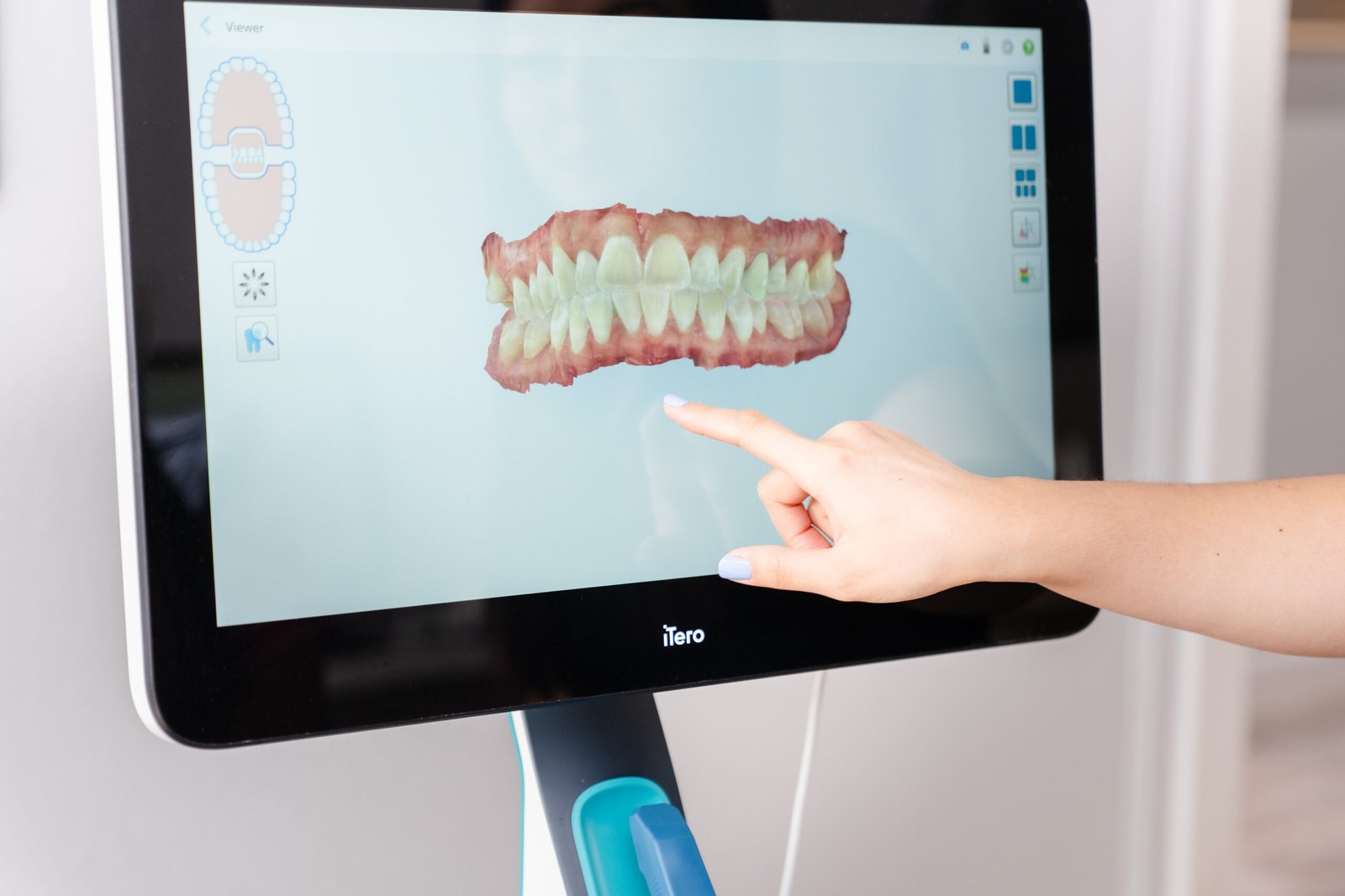
This is why the evaluation needs to look beyond the visible dental work. Bite testing, emergency dental imaging, and examination of the tooth, root, and surrounding structures help determine what was injured and which treatment is most likely to hold up over time.
The findings help guide the most appropriate dental injury treatment, whether that involves repairing the restoration, replacing it, or treating the underlying tooth.
When to Have Damaged Dental Work Evaluated
A crown or veneer that feels loose, looks chipped, or causes pain after an accident should be checked promptly. Even when the restoration appears intact, the tooth underneath may have been fractured or the bond may have weakened. Waiting can allow bacteria to reach the natural tooth, increase sensitivity, or place more pressure on an already damaged area. A change in the bite can also affect nearby teeth and the jaw over time.
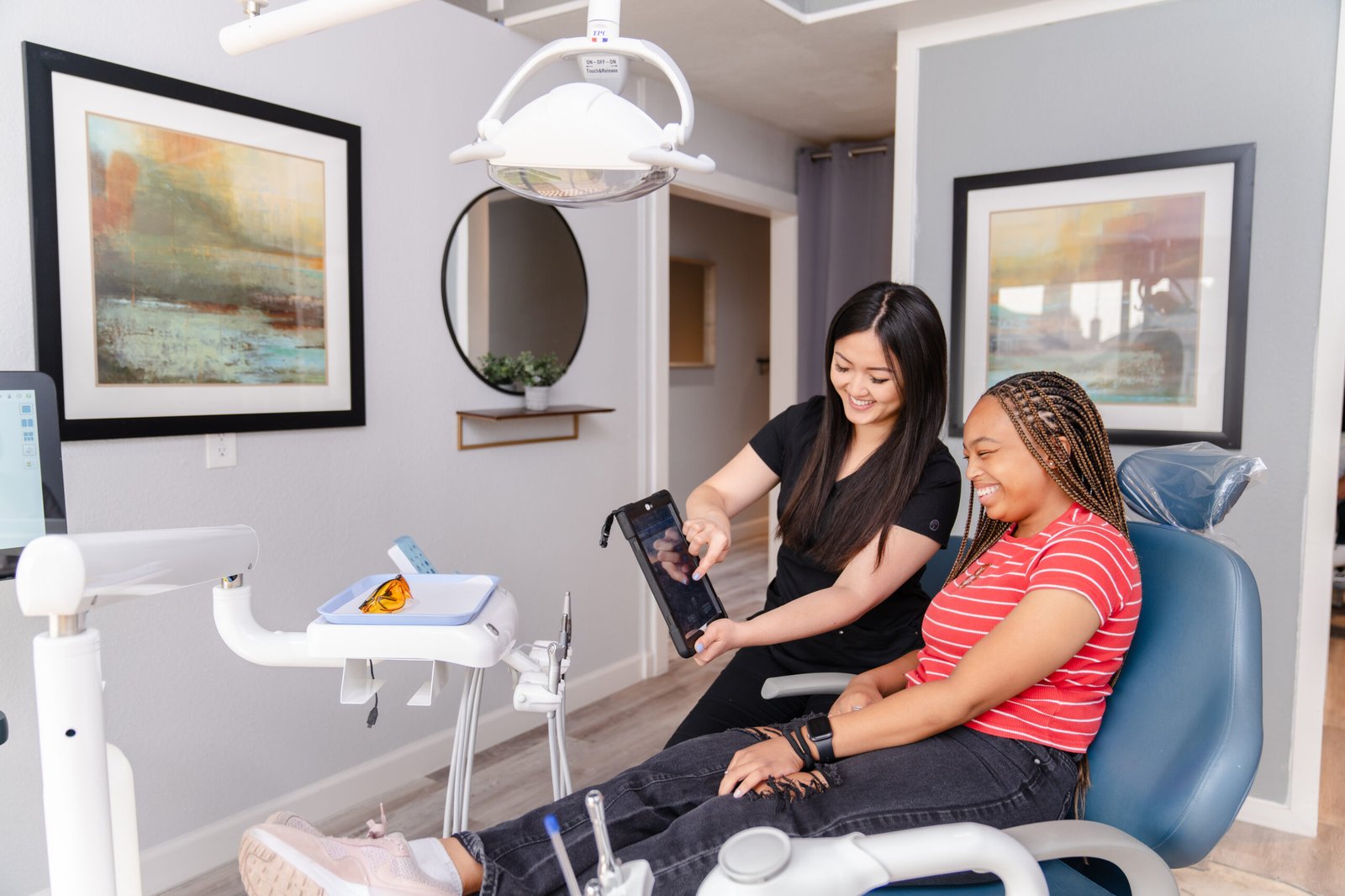
brush365 Dental Injury evaluates dental trauma related to car accidents, falls, workplace incidents, and other personal injury cases. The visit may include bite testing, clinical evaluation, and imaging to determine whether the restoration can be repaired, replaced, or requires treatment of the underlying tooth.
Schedule at brush365 Dental Injury today if a crown or veneer no longer feels normal after an injury. Early evaluation can clarify what was damaged and begin comprehensive dental trauma care to help prevent the problem from becoming more difficult to treat.