Dental injuries can feel urgent. Pain, swelling, a broken tooth, or a sudden change in your bite can make it tempting to focus only on the fastest fix.
But in injury-related dental care, timing, and order matter. The first step affects the next one. A tooth may need to be stabilized before it can be restored. A nerve may need to be monitored before a final decision is made. A visible chip may not be the most important part of the injury.
At brush365 Dental Injury, dental trauma consultations and treatment sequencing help patients understand what needs attention right away, what can be watched, and how each step supports a better long-term result.
Diagnosis Comes Before the Final Plan
A dental injury should be evaluated before treatment decisions are made. A tooth may be cracked, loosened, displaced, infected, or injured below the gumline. Sometimes the biggest concern is not the part you can see.
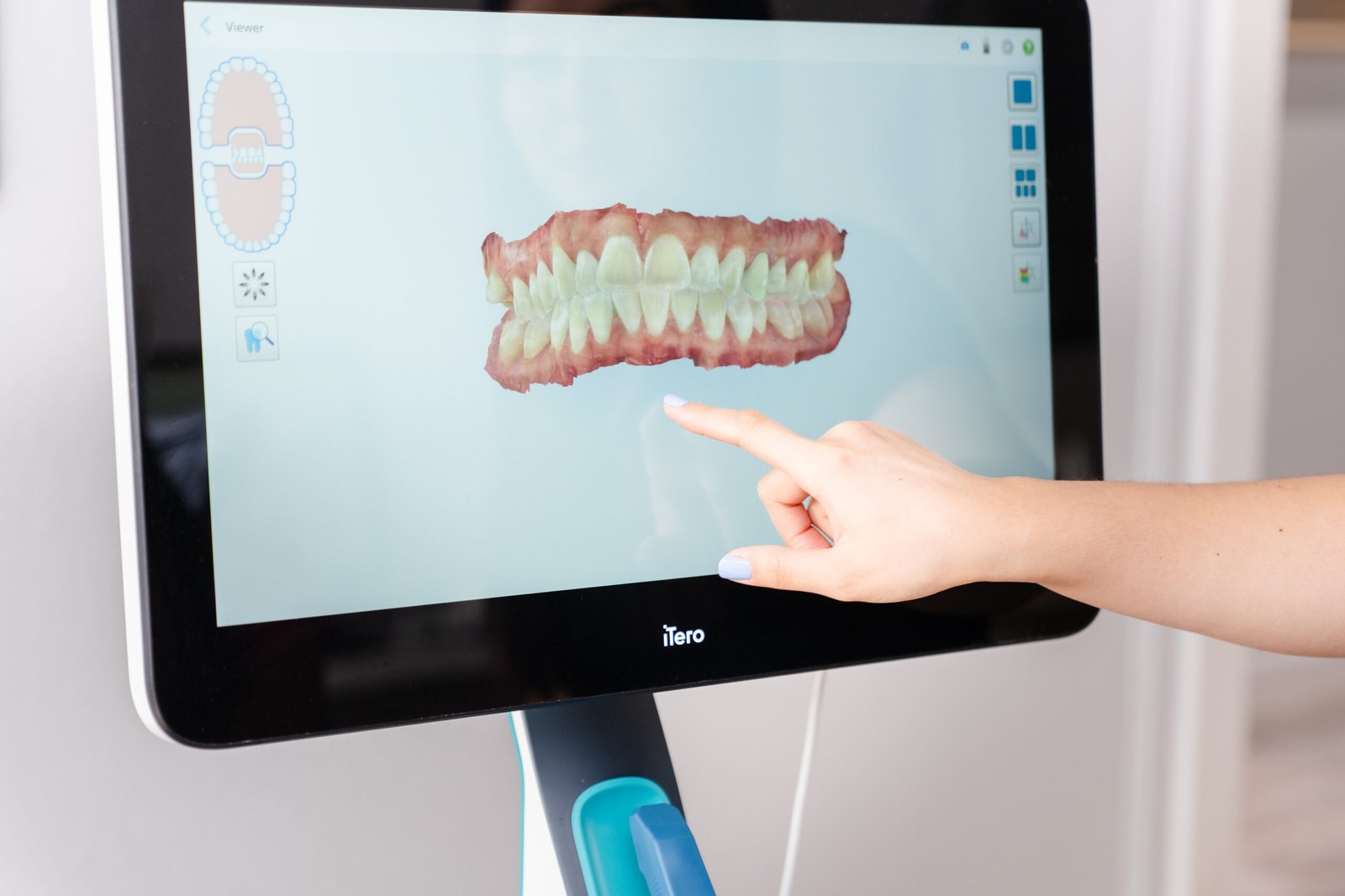
A proper evaluation may include a clinical exam, bite assessment, digital X-rays, or emergency dental imaging when needed. These tools help identify root injuries, bone involvement, infection, or fractures that may not be visible during a basic exam.
This step matters because moving too quickly can limit options later. Placing a permanent restoration before the nerve is evaluated may miss a deeper problem. Removing a tooth without reviewing the surrounding bone and replacement options may make future treatments more complicated. Clear sequencing starts with a complete diagnosis; from there, care can be planned around the full injury, not just the most obvious symptom.
Stabilizing the Injury Helps Protect the Next Step
Once the injury is understood, the next priority is usually stabilization. That may mean reducing pain, treating infection, protecting a cracked tooth, adjusting the bite, or preventing an injured tooth from moving further.
Same-day emergency care may be needed when pain is significant or the tooth is at risk of worsening. In other cases, the first visit may focus on controlling the immediate problem while giving the tooth time to declare how it is healing.
Stabilization does not always mean finishing every part of treatment that day. Sometimes it means creating enough control so the next phase can be done correctly. A temporary restoration after injury, bite adjustment, medication, or follow-up imaging may be part of that process depending on the injury.
This approach helps avoid rushing into treatment that may need to be redone later.
Follow-Up Care Keeps the Plan From Falling Behind
Dental trauma can change over time. A tooth that seems stable at first may develop symptoms later. A nerve can become inflamed or nonvital weeks after impact. A crack may become more painful once normal chewing pressure returns.
That is why follow-up care is part of the sequence, not an afterthought. A structured plan may include monitoring, root canal treatment, a dental crown treatment after injury, or extraction depending on the needs of the patient. If replacement is needed, options such as an implant or bridge should be considered in the right order.
Our team also documents findings, symptoms, imaging, and changes over time. This helps patients understand what is happening and gives the dental team a clear record of how the injury is progressing.
If you have experienced a dental injury, schedule an evaluation with brush365 Dental Injury today to begin comprehensive dental trauma care. A clear treatment sequence can help protect your tooth, preserve your options, and guide care in the right direction.