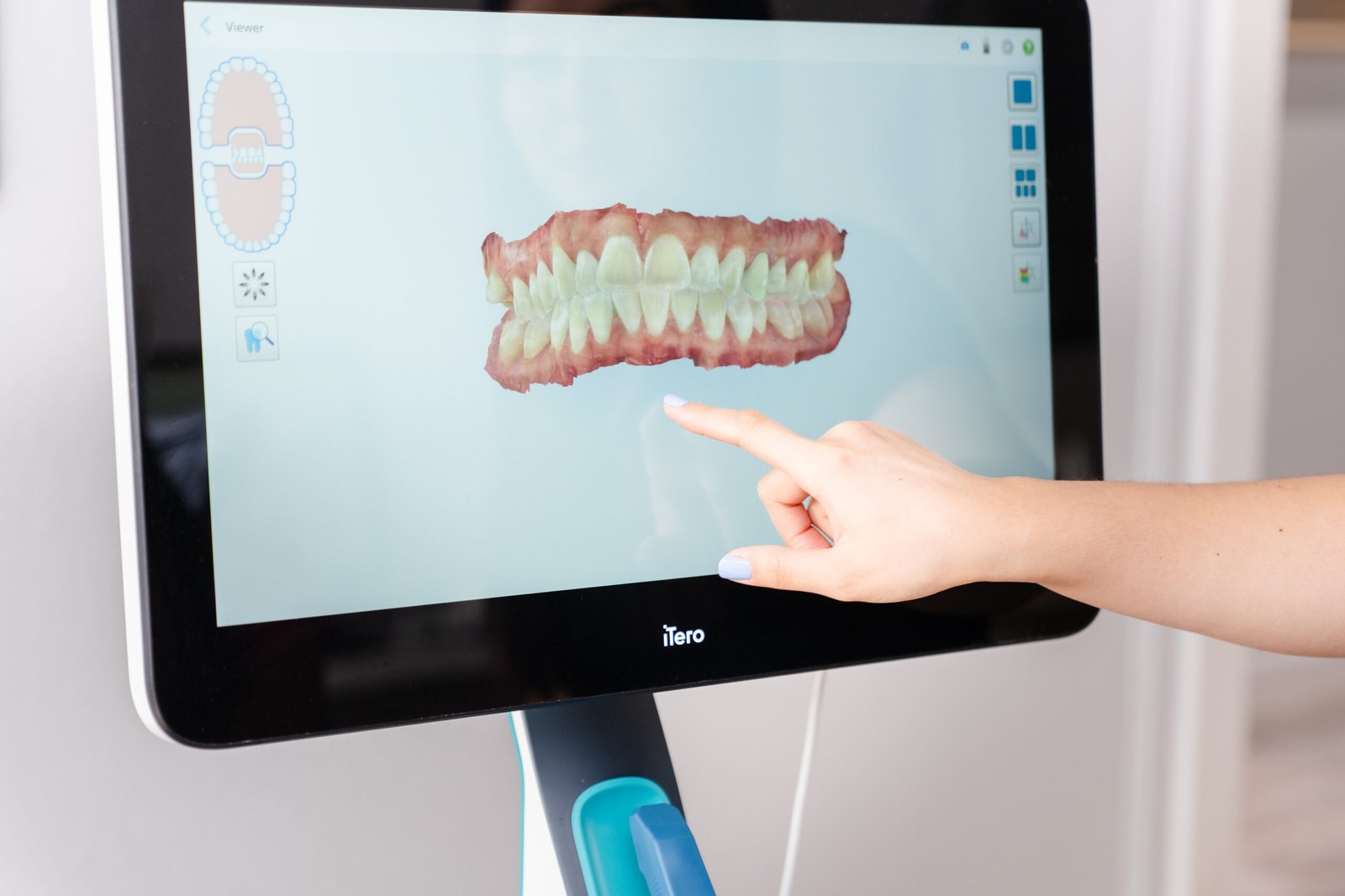

A dental injury is not always easy to see. A tooth can look normal in the mirror, feel mostly fine at first, and still have damage beneath the surface. That is one of the reasons trauma-related dental care needs more than a quick visual check.
After a fall, car accident, sports injury, workplace incident, or direct hit to the mouth, the outside of the tooth may stay intact. Underneath, the injury may have affected the nerve, root, ligament, bite, or supporting bone. Those changes can be subtle early on, but they can become more serious if they are missed.
At brush365 Dental Injury, dental trauma consultations look beyond appearance. The focus is on understanding what happened to the tooth, what may need to be monitored, and whether early treatment could help prevent a larger problem later.
A Tooth Can Be Injured Beneath the Surface
Enamel is strong, but it does not tell the whole story. A tooth may not chip or bleed after impact, yet the force can still travel through the tooth and surrounding structures.
Hidden dental trauma may include small tooth fractures, nerve irritation, root injury, ligament damage, bone trauma, or a bite change caused by the impact.
Some patients only notice discomfort when chewing, biting down, or drinking something cold. Others feel fine for several days before pain, sensitivity, or pressure starts to show up. That delay can make the injury seem minor, even when the tooth needs attention.
This is why imaging and careful documentation matter after dental trauma. Digital X-rays or emergency dental imaging may be recommended when the injury is more complex or when symptoms do not match what can be seen from the outside. A clearer diagnosis helps determine whether the tooth can be monitored, stabilized, restored, or treated before the damage progresses.
Delayed Symptoms Should Be Taken Seriously
Pain after dental trauma does not always appear immediately. Sometimes the tooth reacts slowly as inflammation builds, blood flow changes, or a small crack begins to spread under normal chewing pressure.
A normal-looking tooth should be evaluated if you notice a dull ache, pain when biting, temperature sensitivity, tenderness near the gumline, swelling, darkening of the tooth, or a bite that suddenly feels different. These changes can point to internal damage even when the tooth still looks intact.
Treatment depends on what the evaluation shows. Some teeth only need close monitoring and follow-up imaging, while others may need dental crown treatment after injury to protect a weakened structure. Root canal treatment may be recommended if the nerve is involved, or a more detailed plan if the root or surrounding bone was affected.
The important part is not to wait until the pain becomes severe. By that point, the tooth may be harder to save or treatment may become more involved than it would have been earlier.
When to Schedule a Dental Injury Evaluation
Any direct impact to the mouth is worth taking seriously, even when the tooth looks fine. This is especially true after an accident, fall, sports injury, or work-related trauma. If something feels different when you chew, bite, talk, or close your mouth, that change is enough reason to be evaluated.
BDI approaches these visits with careful imaging when needed, clear documentation, and straightforward explanations. You should understand what is known, what still needs to be watched, and what treatment options may make sense based on the injury.
Hidden dental trauma is easier to manage when it is found early. If you have had an injury and a tooth feels different, schedule an evaluation with our team today to begin comprehensive dental trauma care so the problem can be assessed before small internal damage becomes a larger concern.