After a dental injury, what you can see in the mirror does not always explain what is happening. A tooth may look intact but still cause pain, pressure, sensitivity, looseness, or a bite that suddenly feels different. Those symptoms can point to damage below the surface, where a standard visual exam may not provide enough information.
That is where advanced imaging can help. At brush365 Dental Injury, emergency dental imaging, including CBCT 3D scans, may be used when a trauma case needs a clearer view of the injury. The goal is not to add technology for its own sake. It is to reduce guesswork, understand the problem more accurately, and build a treatment plan around what is actually present.
Why Surface-Level Exams Do Not Always Tell the Full Story
Dental trauma does not always stay confined to the visible part of the tooth. When a tooth is hit, cracked, loosened, or displaced, the force can affect the root, bone, nerve, bite, or supporting tissues in ways that are not immediately obvious. In some cases, a jaw injury evaluation may also be necessary to understand how the trauma affected overall function. Sometimes the visible damage is small while the deeper injury is more significant. Other times, the tooth looks normal, but symptoms develop because the area absorbed more impact than it appeared to at first.
That is why dentists pay close attention to more than appearance after an injury. Pain when biting, swelling, lingering sensitivity, mobility, or a changed bite can all suggest the need for a dental trauma consultation and a closer evaluation. Previously treated teeth may also need careful assessment, especially if a crown, filling, or root canal was already present before the accident.
Imaging helps create a clearer baseline. It allows the dentist to see whether symptoms are connected to a fracture, inflammation, displacement, infection, or changes around the tooth that cannot be confirmed by sight alone.
What CBCT 3D Imaging Can Clarify
Traditional dental X-rays remain useful in trauma care. They can show many important findings, including infection, bone levels, and certain types of tooth damage. Their limitation is that they flatten a three-dimensional structure into a two-dimensional image. In injury cases, that can make it harder to see the exact direction, depth, or location of the problem.
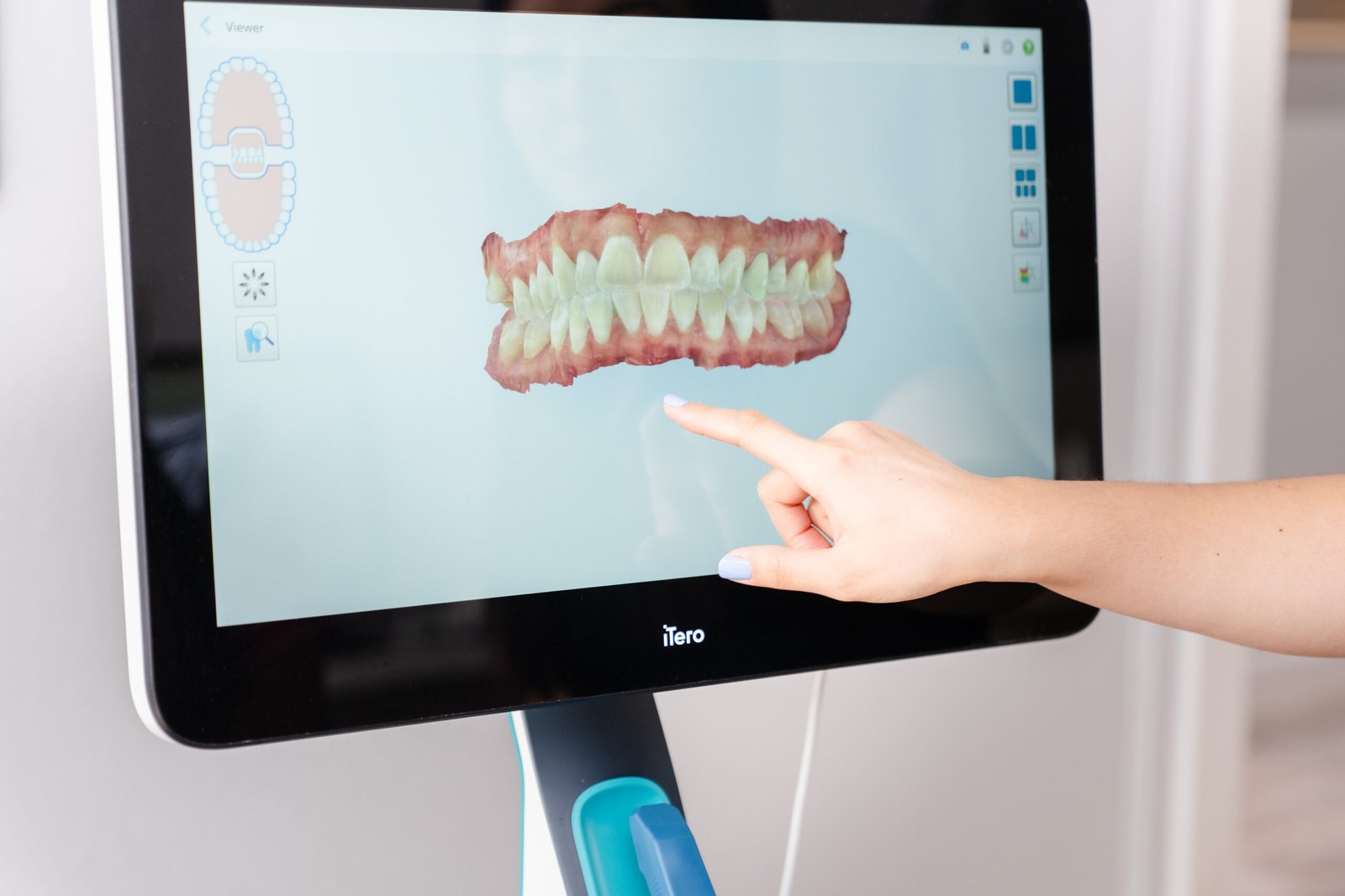
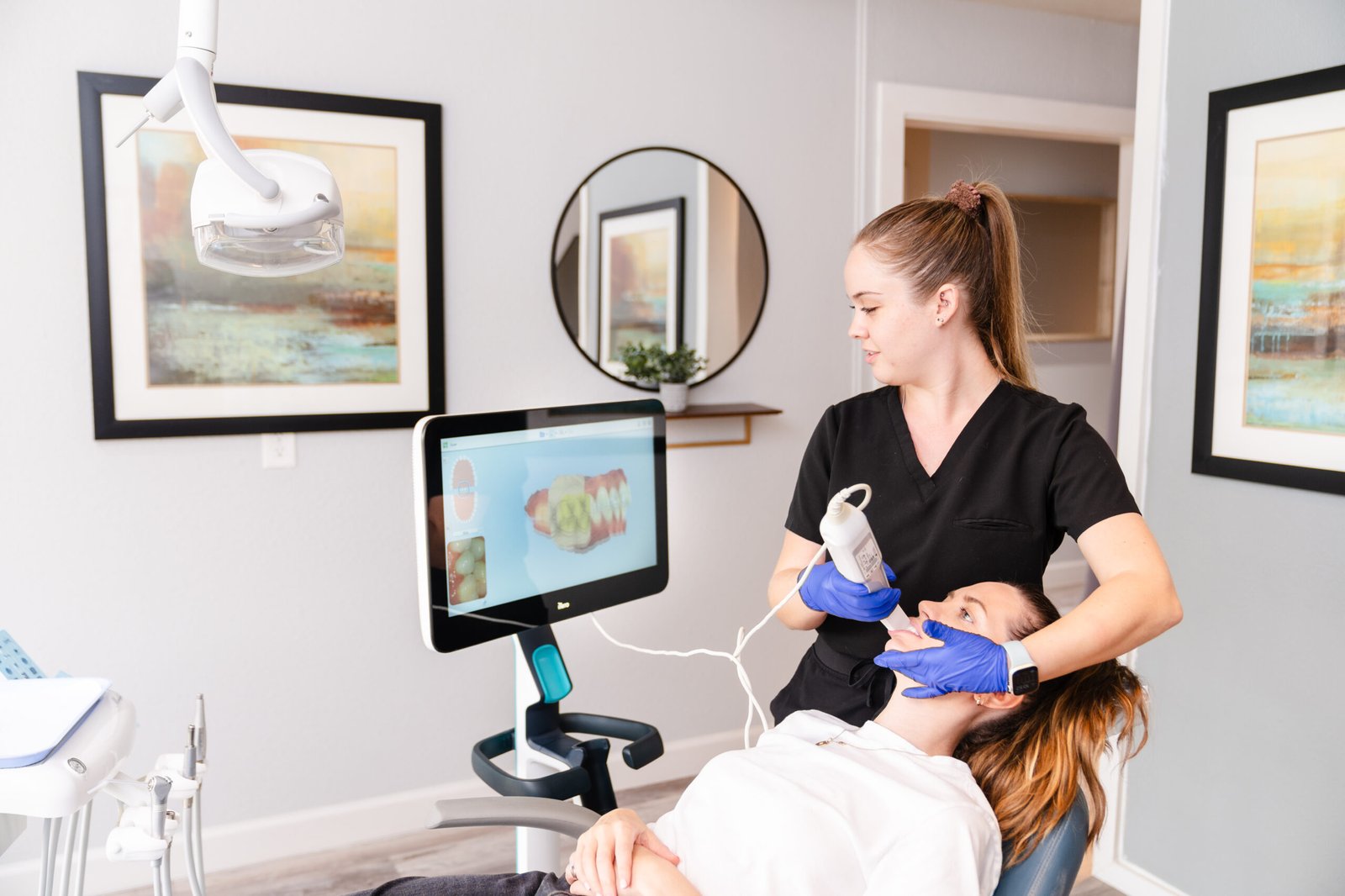
CBCT imaging creates a three-dimensional view of the area being evaluated. Instead of relying on one flat image, the dentist can examine the tooth and surrounding anatomy from multiple angles. This can be especially helpful when symptoms do not match what is visible during the exam.
For example, a patient may have pain when biting even though the tooth appears intact. Another may develop swelling after impact without an obvious crack. Someone else may feel that their bite has changed, but the shift is subtle. In these situations, 3D imaging can help connect what the patient is feeling with what the dentist is able to evaluate clinically.
How Better Imaging Supports Better Decisions
The purpose of CBCT imaging is not simply to collect more information. It is to make treatment decisions more accurate and better timed. Once the injury is understood more clearly, the dentist can determine whether dental injury treatment should involve monitoring, stabilization, restoration, root canal therapy, or replacement.
That clarity matters because trauma care is not always a one-step process. A tooth may need temporary protection before a final restoration is placed. A nerve may need to be monitored before deciding whether root canal treatment is necessary. A tooth that cannot be predictably saved may need a different plan altogether. Imaging helps reduce uncertainty when several treatment paths are possible.
It also supports stronger documentation. In dental injury cases, records should show what was found, what is being monitored, and why certain recommendations were made. Clear imaging gives the care team a better baseline and helps patients understand the reasoning behind each step.
Dental trauma should not be judged only by what is visible on the surface. If you have pain, swelling, sensitivity, looseness, or a bite change after an injury, schedule an evaluation with brush365 Dental Injury to begin comprehensive dental trauma care. A structured exam with the right imaging can help identify what is happening and guide the next step with clarity.