
A single chipped tooth can often be treated with a focused solution. A small fracture may need bonding. A deeper crack may need dental crown treatment after injury. If the nerve is damaged, root canal therapy may be needed before the tooth can be restored.
When several teeth are injured, the process is different.
The dentist has to look beyond each individual tooth and evaluate how the injury affected the bite, gums, bone, nerves, jaw, and surrounding structures, sometimes requiring a jaw injury evaluation as part of the overall assessment. Some damage is obvious right away. Other problems, such as nerve injury, root fractures, bite changes, or infection, may develop later.
At brush365 Dental Injury, dental trauma consultations for multi-tooth dental trauma include careful imaging, clear documentation, and a treatment plan built around both immediate comfort and long-term function.
A Broader Evaluation Comes First
Dental injuries involving multiple teeth are common after falls, sports injuries, workplace accidents, car accidents, or direct impact to the mouth. The first concern may be a broken edge, loose tooth, bleeding, or pain, but visible damage does not always show the full extent of the injury.
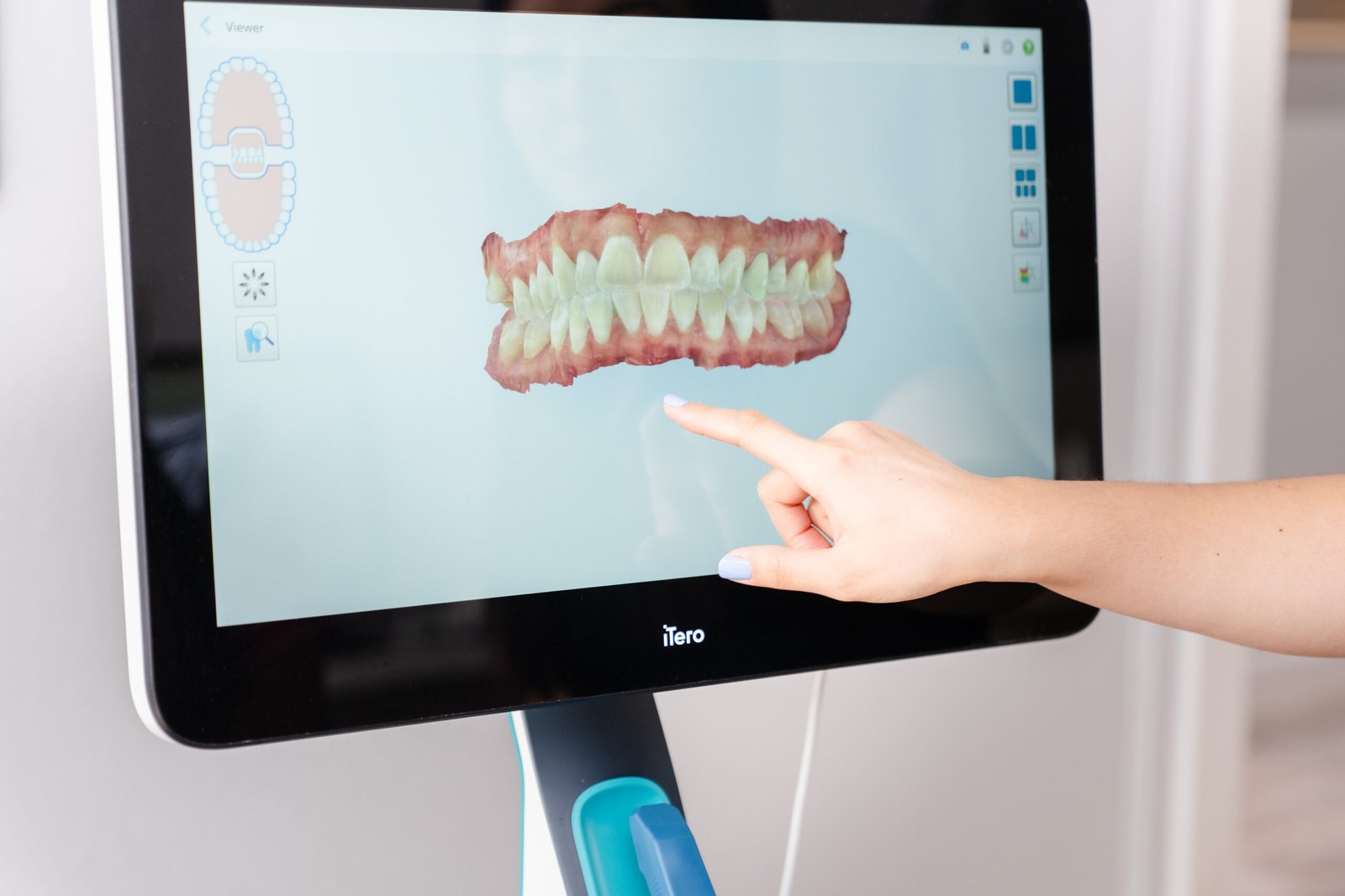
A complete evaluation may include digital X-rays, emergency dental imaging with CBCT scans, bite analysis, pulp testing, periodontal evaluation, photographs, or digital scans. These tools help identify what can be treated simply, what needs more advanced care, and what should be monitored over time.
This step matters because two teeth that look similarly chipped may need very different treatment. One may only need bonding. Another may need a crown, root canal treatment, extraction, or future implant planning. A clear diagnosis helps prevent rushed treatment and gives the patient a more predictable path forward.
Sequencing and Restorative Planning Work Together
With multiple injured teeth, the order of care matters. Treatment often starts with stabilization, especially if teeth are loose, displaced, painful, or at risk for infection. Splinting, temporary restorations, emergency treatment, or same-day crowns may be used when appropriate to protect the teeth while the full plan is developed.
Once the mouth is stable, the provider can determine which teeth can be restored, which need additional treatment, and which may not be predictable long term. One tooth may need root canal therapy, another may need a crown, and another may have a poor prognosis because of root or bone damage.
Restorative planning also has to account for the full bite. Crowns, bridges, implants, veneers, or bonding cannot be planned in isolation when several teeth are involved. The final restorations need to work with chewing forces, tooth position, bite balance, and overall function.
This is especially important with front-tooth injuries because those teeth affect appearance, speech, biting, and facial balance. A quick cosmetic repair may look fine at first, but if the bite is unstable or the tooth nerve later fails, retreatment may be needed. Careful sequencing helps avoid unnecessary treatment and keeps final restorative work from being completed before the foundation is stable.
Follow-Up and Complete Evaluation Matter After Dental Trauma
Dental trauma can change over time. A tooth may look stable immediately after an injury and still develop complications weeks or months later. The nerve may lose vitality. A crack may deepen. Gum or bone changes may become more visible after inflammation settles.
That is why multi-tooth injury cases often require more than a one-time repair. Follow-up imaging, symptom checks, bite monitoring, and restoration evaluation help confirm that the teeth are healing properly and that deeper issues are not being missed.
Patients should contact a dental injury provider if they notice tooth darkening, swelling, lingering sensitivity, pain when biting, mobility, jaw soreness, or changes in how the teeth meet. These signs may mean the original injury affected the nerves, roots, bone, bite, or surrounding structures.
When more than one tooth is damaged, the best treatment plan begins with a full diagnostic picture. brush365 Dental Injury evaluates dental trauma with attention to the teeth, bite, jaw, gums, bone, and restorative needs that may develop over time.
If you have experienced dental trauma, multiple chipped or cracked teeth, bite changes, jaw discomfort, or ongoing pain after an injury, contact us today to begin comprehensive dental trauma care and schedule an evaluation. Early planning can make treatment more predictable and help preserve as much natural tooth structure as possible.