When a tooth is broken, loosened, or shifted after an accident, the first instinct is usually to fix it as quickly as possible. That is understandable. Dental trauma can affect eating, speech, appearance, comfort, and confidence almost immediately.
Fast evaluation through a dental trauma consultation is important, but permanent treatment is not always the first step. In many trauma cases, the priority is stabilization. This means protecting the injured tooth, reducing unnecessary movement, easing pressure on the bite, and giving the tissues around the tooth time to begin healing before final restorative decisions are made.
Why Stabilization Matters After a Dental Injury
A dental injury is not always limited to the visible part of the tooth. The force of an accident can affect the ligament that holds the tooth in place, the nerve inside the tooth, the root, the surrounding bone, and the way the teeth come together when biting.
Because those areas may not reveal the full extent of damage right away, the first phase of care often focuses on control and protection. A loose or displaced tooth may need to be repositioned or splinted. A sharp edge may need to be smoothed. A temporary restoration after injury may be placed to protect the tooth. In some cases, the bite may need to be adjusted so the injured tooth is not taking more pressure than it should.
This early care helps create a better environment for healing. It also gives the provider time to evaluate whether the tooth is settling, becoming more stable, or showing signs that deeper treatment may be needed.
Why Healing Time Affects the Final Treatment Plan
A traumatized tooth can change over days, weeks, or even months. Some teeth improve after being stabilized and may only need conservative repair. Others develop new symptoms after the initial visit, such as lingering sensitivity, discoloration, swelling, infection, increased mobility, or pain when biting.
Follow-up visits help make those changes easier to recognize. The provider may monitor tooth movement, nerve response, gum and bone healing, bite changes, and imaging findings around the root. This is especially important because treating too aggressively too soon can create problems if the tooth’s condition changes later.
For example, placing a final crown immediately after trauma may not be appropriate if the tooth is still mobile or if the nerve has not declared whether it will recover. If infection or nerve damage develops afterward, the treatment plan may need to change. Waiting for the right clinical information helps make the final decision more accurate.
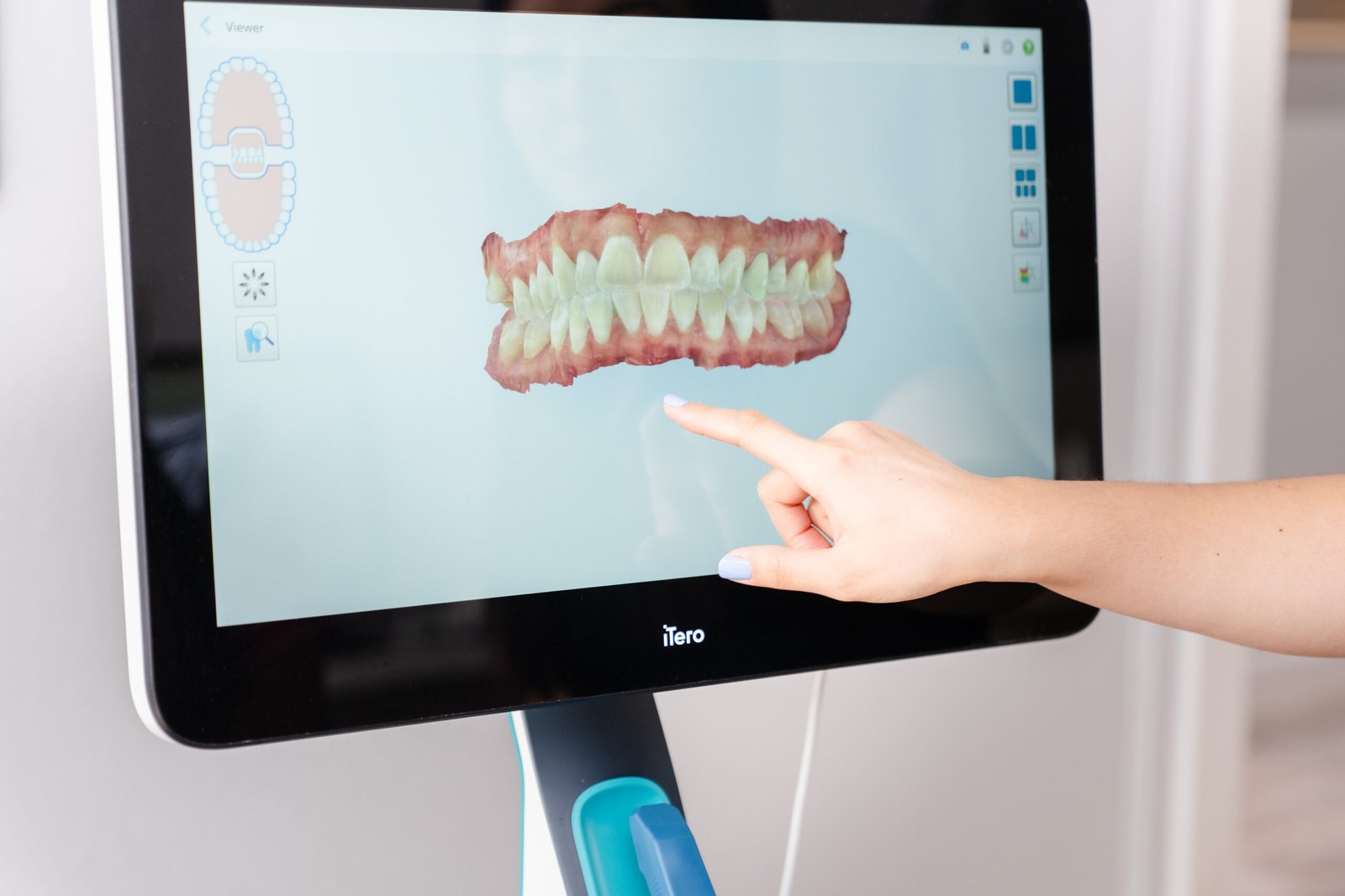
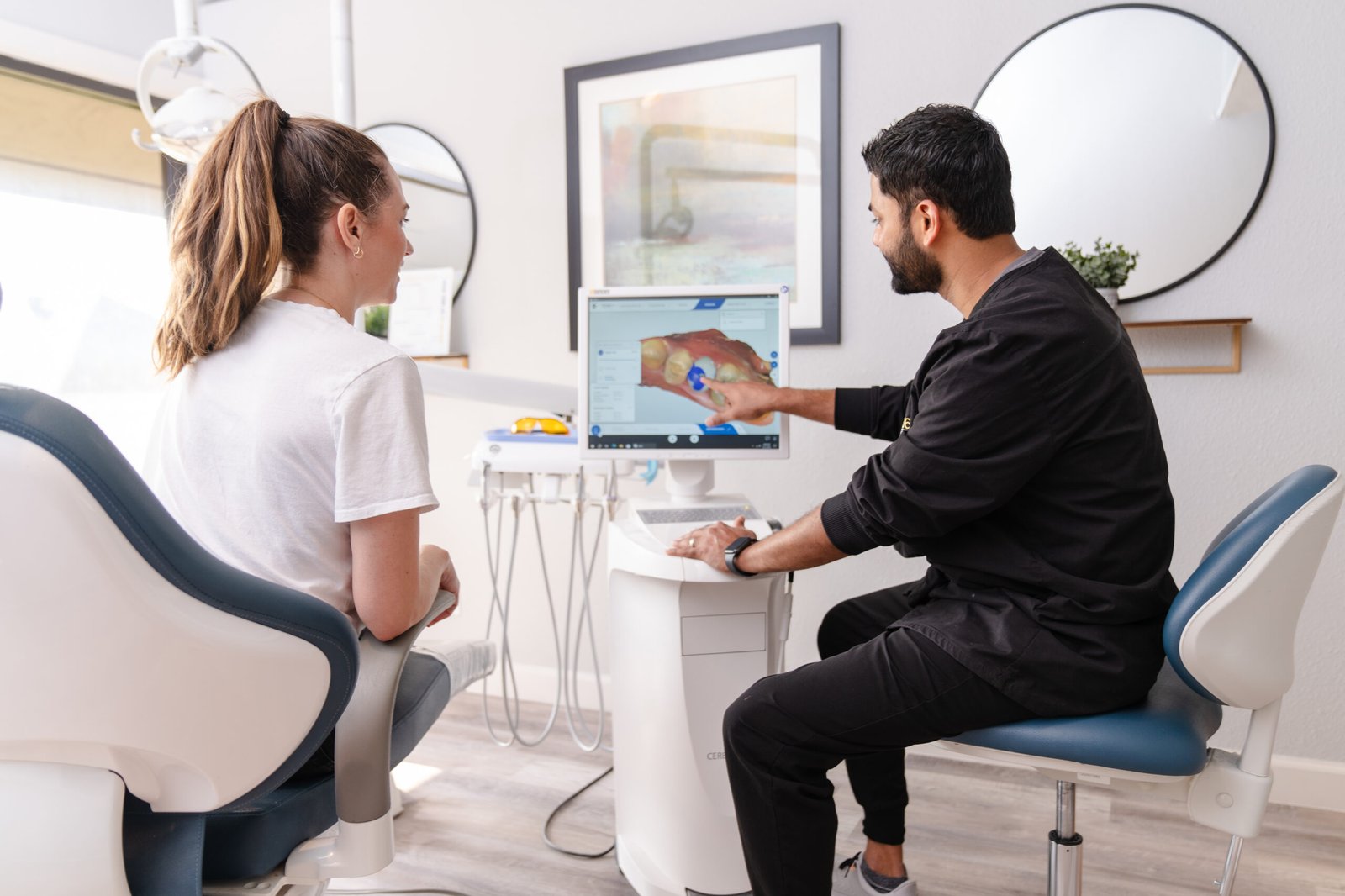
Imaging supports this process. Digital X-rays and emergency dental imaging can help identify root damage, bone changes, tooth displacement, or infection that may not be visible during an exam. In more complex cases, CBCT 3D imaging may be recommended for a closer look at the root, bone, and surrounding structures.
When Permanent Treatment Becomes Clearer
Once the tooth has been stabilized and healing has been monitored, the long-term plan becomes easier to define. Treatment depends on the health of the nerve, the amount of remaining tooth structure, the stability of the bite, and whether the tooth can be predictably restored.
Some teeth may only need bonding or contouring. Others may need dental crown treatment after injury for strength and function. If the nerve becomes damaged or infected, root canal treatment may be recommended. If the tooth cannot be saved, extraction and replacement options can be discussed with a clearer understanding of the surrounding bone and bite.
Dental trauma is worth evaluating early, even when the symptoms seem manageable. Looseness, cracks, displacement, pain, or new sensitivity can all point to an injury that needs attention before final treatment is planned. At brush365 Dental Injury, evaluations may include imaging, temporary stabilization, and a treatment plan shaped by how the injured tooth is healing.
Schedule an evaluation today to begin comprehensive dental trauma care, get clear answers, and understand what should happen next.