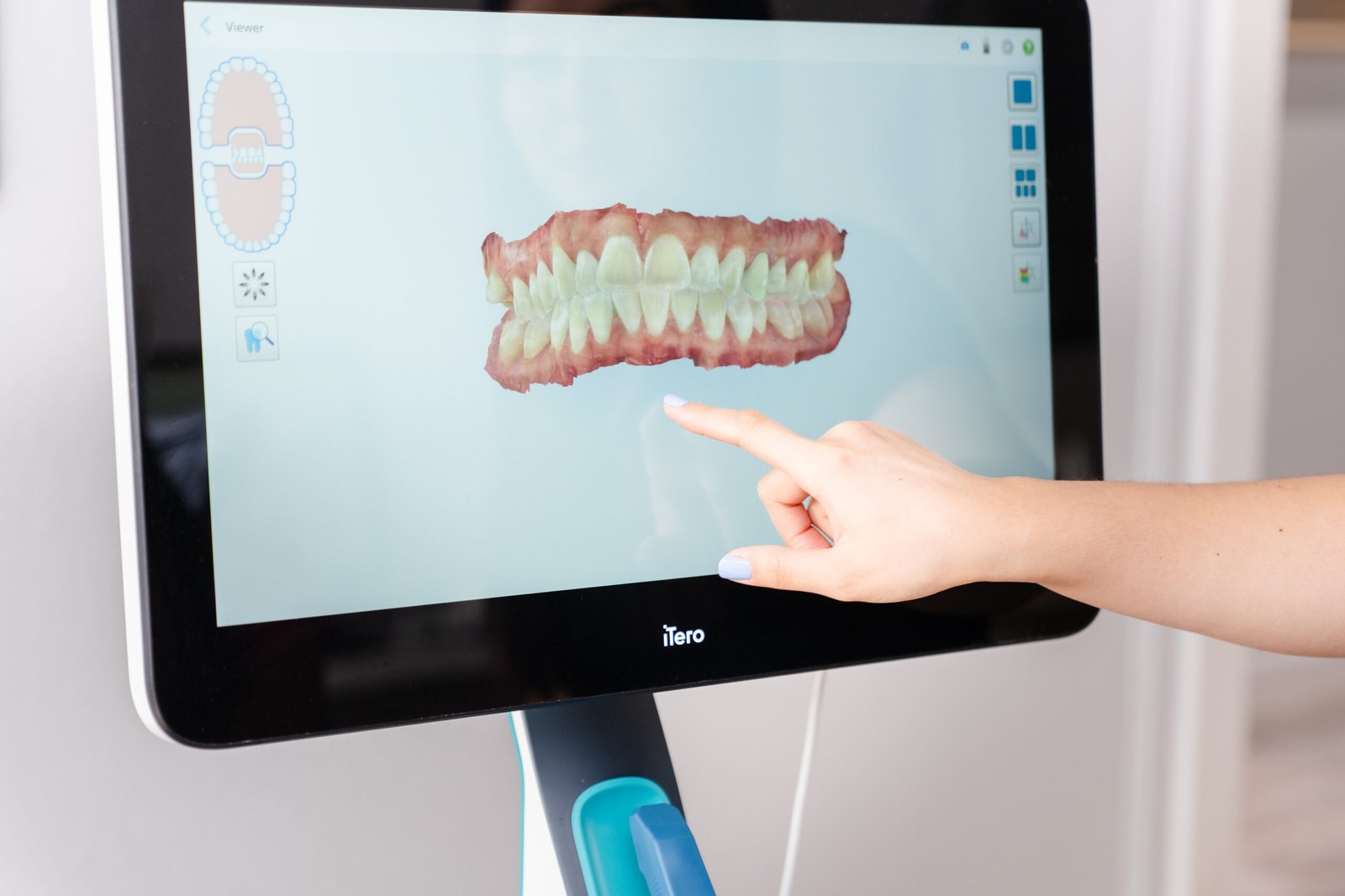

After an accident, dental injuries are not always easy to understand right away. A tooth may look normal in the mirror but still have root damage, nerve involvement, bite changes, or trauma affecting the surrounding bone and soft tissue. In other situations, the injury is more obvious: a chipped, loosened, displaced, or knocked-out tooth treatment situation requiring immediate attention.
What makes dental trauma especially difficult is that the full extent of the injury may not be clear on the first day. Some teeth need urgent attention immediately. Others need to be watched closely over time before a final treatment decision can be made.
This is where careful dental injury documentation matters. Clear records created during dental trauma consultations help organize what happened, what was found during the evaluation, what imaging showed, what treatment was recommended, and why each step was taken. This article is for general educational purposes only and is not legal advice. The focus is practical: how documentation, imaging, timelines, and treatment rationale support better dental care after an accident.
Why Dental Injury Documentation Matters
Dental trauma can change over time. A tooth that seems stable during the first visit may later develop sensitivity, discoloration, infection, mobility, or signs that the nerve has been affected. A bite that feels only slightly different at first may become more noticeable as swelling changes or as the jaw and surrounding muscles respond to the injury.
Because of that, documentation is not just about recording the first exam. It helps create a clinical timeline from the initial evaluation through follow-up care. That timeline gives providers a clearer picture of what was present from the beginning, what changed, and how treatment decisions were made along the way.
Strong dental injury documentation may include the patient’s description of the accident, symptoms reported after the injury, visible findings such as fractures or swelling, bite changes, tooth mobility, bleeding, photographs, digital X-rays, advanced imaging when appropriate, diagnosis, treatment recommendations, and follow-up findings as healing progresses.
These details help reduce confusion. They also help future providers understand the injury more accurately, especially when care involves multiple visits or different types of treatment. In dental trauma cases, small details can matter. A note about when sensitivity began, how the bite felt, or whether a tooth became more mobile over time can help guide the next step in care.
Imaging, Timing, and Treatment Decisions After Dental Trauma
A visual exam can only show part of the story. After an accident, digital X-rays and emergency dental imaging may be needed to look for root fractures, bone changes, tooth displacement, or signs of infection that are not visible in the mouth. In more complex cases, CBCT 3D imaging may be recommended to evaluate the bone, root position, jaw structures, or implant-related concerns if a tooth cannot be saved.
Timing also plays an important role. Some injuries need same-day attention, especially when there is severe pain, swelling, a broken tooth, a displaced tooth, or a tooth that has been knocked out. Other injuries require careful observation before the final outcome is known.
For example, a traumatized tooth may need to be stabilized first and monitored before deciding whether root canal treatment, a crown, extraction, or tooth replacement is needed. Moving too quickly can lead to unnecessary treatment. Waiting too long can allow certain injuries to become more complicated. The goal is to make decisions based on what the tooth, nerve, bone, and bite are showing over time.
This is why treatment rationale is an important part of documentation. It connects the clinical findings to the recommended plan and supports appropriate dental injury treatment decisions. It explains why a tooth was stabilized, why imaging was ordered, why follow-up was scheduled, or why a final restoration was delayed until the injury became clearer.
That kind of documentation supports better care because it shows not only what was done, but why it made sense based on the condition of the tooth and surrounding structures.
Supporting Continuity of Care and Patient Understanding
Accident-related dental care often unfolds in stages. A patient may need an emergency evaluation first, followed by monitoring, restorative treatment, endodontic care, oral surgery, or implant planning depending on how the injury develops. Because the final outcome is not always clear right away, documentation helps connect each step instead of treating every visit like a separate event.
Clear records show what was found at the beginning, how the injury was assessed, what changed over time, and why certain treatment decisions were made. This matters clinically, but it also helps patients understand the process. Dental trauma can feel stressful when symptoms shift, treatment has to wait, or multiple types of care are involved. A well-documented plan gives patients a clearer sense of what is being monitored, what risks exist, and what signs may require additional attention.
For brush365 Dental Injury, documentation is approached with clinical accuracy and practical organization. The goal is not to make the process more complicated. It is to make the injury, timeline, and treatment plan easier to follow from the first evaluation forward.
After an accident, dental symptoms should be evaluated as soon as possible, even when the injury seems minor. Pain, looseness, cracks, swelling, bite changes, or new sensitivity can all point to damage that needs timely attention. BDI provides dental trauma evaluations with careful documentation, imaging when appropriate, and treatment planning based on the condition of the tooth and surrounding structures.
If you have experienced dental symptoms after an accident, schedule an evaluation with BDI to begin comprehensive dental trauma care, create a clear clinical record, and understand the next step in care.