Not all injuries make themselves obvious right away. After an accident, you might leave the scene focused on what feels immediate, only to notice changes later, when things have had time to settle. That’s especially true with dental trauma. What seems minor at first can evolve, and by the time it becomes noticeable, the path forward is often less straightforward.
At brush365 Dental Injury, this delayed pattern shows up often. Patients don’t always walk in with visible damage. More commonly, they come in because something feels different, a bite that no longer fits the same way, sensitivity that wasn’t there before, or discomfort that gradually builds. This is often the point where a dental trauma consultation becomes important to understand what has changed.
The early decisions made after an accident shape how clearly those changes are understood and how effectively they’re managed.
1. Start with Immediate Medical Evaluation
If the accident involves broader trauma, such as head impact, bleeding, or pain outside the mouth, medical care takes priority. Emergency or urgent care settings are designed to assess and stabilize what cannot wait.
There’s also a secondary layer to this step. Early medical records create a clear reference point for when the injury occurred and what was identified at the time. That clarity becomes important if questions arise later, particularly in insurance or legal contexts.
Even when symptoms feel localized, things like jaw discomfort, swelling, or difficulty biting can point to underlying structural changes. These are not always visible without emergency dental imaging, which is why early evaluation helps prevent missed issues that may surface later.
2. Document the Dental Injury Early
Once immediate concerns are addressed, the focus shifts. Dental evaluation should happen sooner rather than later, not because everything is urgent, but because dental injuries are rarely static.
Small fractures can extend. Nerve involvement may not present immediately. Bite changes can develop gradually as the jaw adapts.
A structured dental consultation is designed to capture both what is happening now and what may develop over time. This typically includes:
- A clinical assessment of visible and less obvious damage
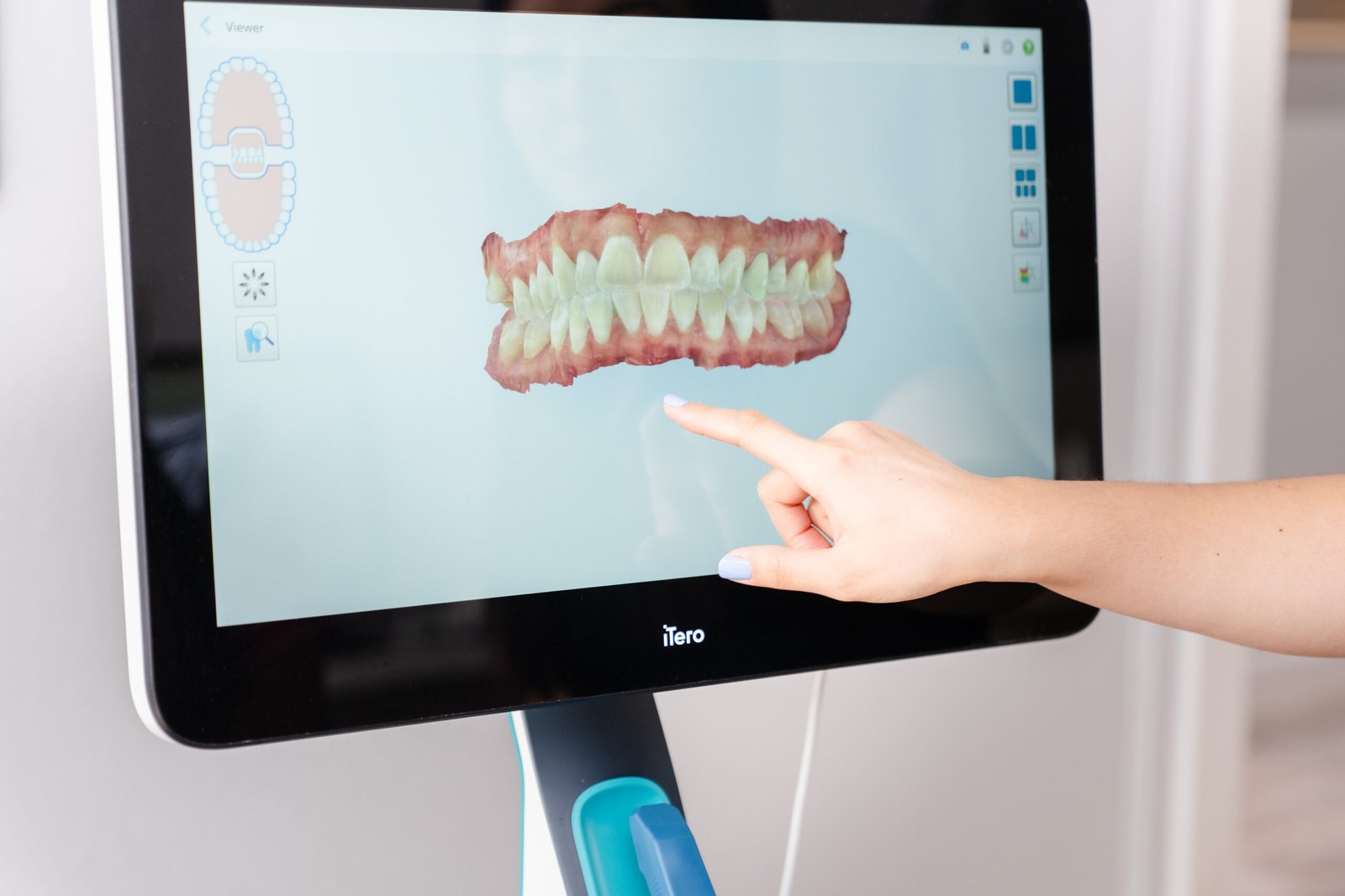
- Digital imaging to evaluate roots, bone, and surrounding structures
- A treatment plan that outlines sequencing and timing
- Written documentation that supports both care and any related claim
BDI approaches these evaluations with long-term planning in mind. When care may involve multiple phases, early clarity reduces the need for reactive decisions later.
3. Understand the Role of Legal Guidance
When an accident involves liability, the clinical process often intersects with a legal one. This might include car accidents, workplace injuries, or other situations where responsibility is being evaluated, especially in cases involving personal injury dental care.
Legal guidance helps define how the injury is presented and protected within that context. At the same time, treatment should not be delayed while that piece is being established.
Dental care and legal coordination typically move in parallel. Clinical findings, imaging, and timelines contribute to the overall picture of the case.
BDI supports this process by maintaining clear, consistent documentation and communicating directly with legal teams when needed. This alignment helps avoid gaps that can complicate both care and case outcomes.
Where Timing Becomes Decisive
By this point, the question is less about whether there’s an injury and more about how it’s going to be managed over time. What happens next depends on two things: how early the condition is clearly defined, and how consistently the plan is followed once it is.
Early clarity allows treatment to be sequenced properly instead of reactively. It sets expectations, outlines phases if needed, and reduces the likelihood of interruptions or revisions later. This is especially important in cases that extend beyond a single procedure.
Consistency then carries that plan forward. It stabilizes the injury, supports functional recovery, and keeps documentation aligned from start to finish, which matters clinically and, when applicable, legally.
If you’ve already addressed immediate medical concerns, the next step is straightforward: move into a structured dental evaluation without delay. BDI provides injury-focused consultations designed around detailed imaging, phased treatment planning, and documentation that supports both care and case clarity. When legal coordination is involved, it’s handled alongside treatment so nothing becomes fragmented.
Schedule a consultation with brush365 Dental Injury today to establish a clear plan and move forward with direction.