After an accident, dental care is usually not the first priority. There are other things to handle, and in many cases, nothing feels obviously wrong at the beginning. Then a few days pass, and something starts to shift. A tooth feels sensitive. Biting feels different. The jaw feels tight or uncomfortable. That moment is usually when questions start, and when a dental trauma consultation can help clarify what is actually happening.
Dental injuries are not always visible, and they do not always present right away. The decisions made early on, especially where you go for care, can influence how the injury develops, how comfortable recovery feels, and how predictable the outcome is over time.
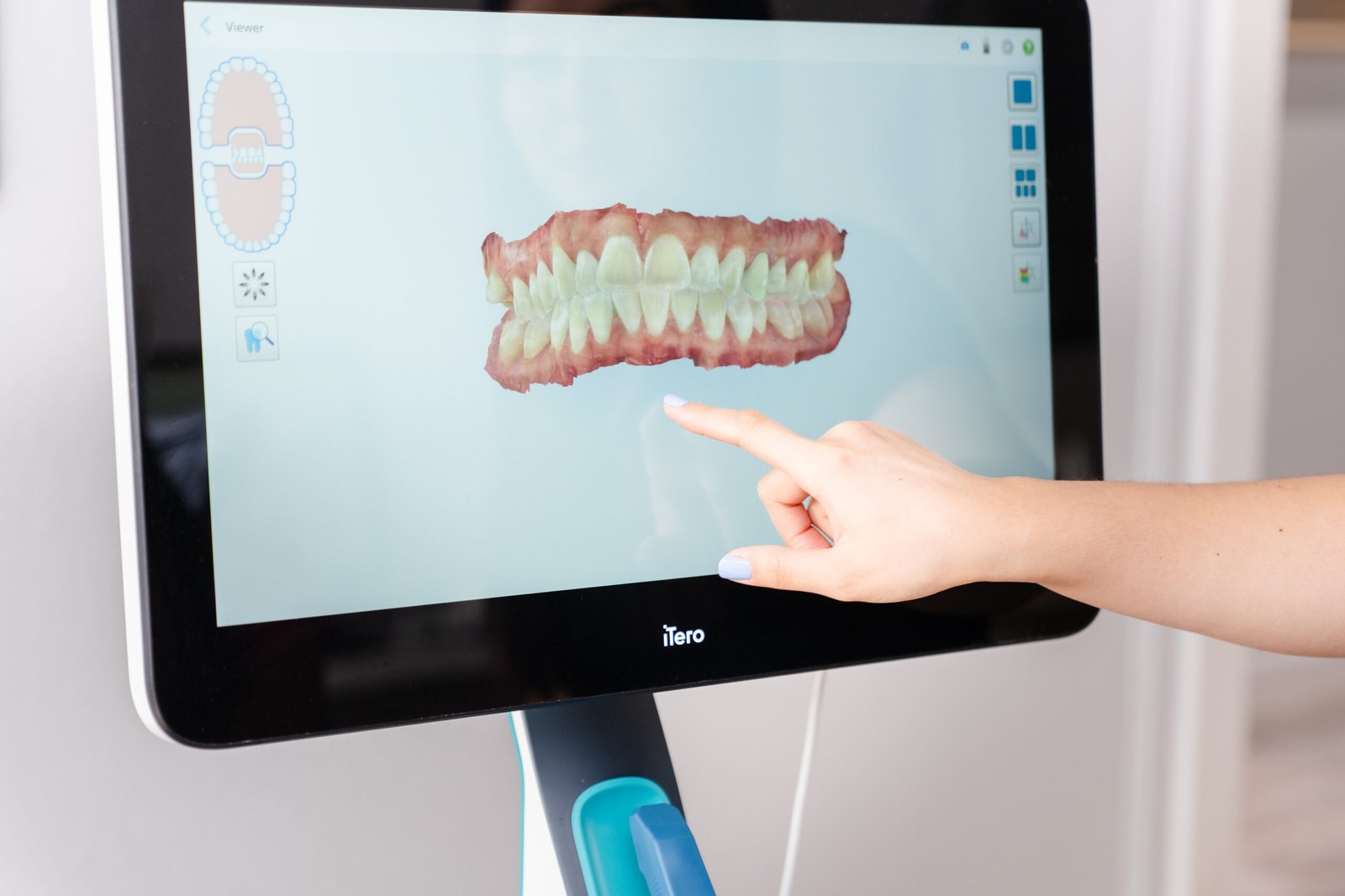
Not every dental visit is designed to evaluate trauma. Injury-focused care looks beyond what is immediately visible and considers how the teeth, bite, jaw, and surrounding structures may have been affected. This typically includes a more detailed evaluation and emergency dental imaging when needed, along with clear documentation from the start. That structure helps reduce the risk of missing subtle issues that can become more complex later.
How Dental Injury Care Typically Progresses
Dental injuries are rarely resolved in a single visit. Most cases move through phases, starting with stabilization and progressing toward full restoration over time.
Early care is often focused on managing discomfort and protecting the affected area. From there, dental injury treatment becomes more defined as the full extent of the injury becomes clearer. Some symptoms evolve, and certain conditions take time to present, which is why follow-up and monitoring are part of the process.
When care is structured, each step builds on the last. Adjustments are made based on how the teeth and jaw are actually responding, rather than relying only on initial findings. This continuity helps support long-term function and reduces the likelihood of setbacks.
Patients often notice this in how the process feels. Visits feel connected. There is a clearer sense of direction. Progress is easier to understand.
Clarity, Communication, and What to Expect Moving Forward
After an injury, there is usually some level of uncertainty. Patients want to know what is happening, what comes next, and how long recovery might take. Clear communication helps make that process more manageable.
This includes explaining findings in a way that makes sense, outlining next steps without pressure, and setting realistic expectations around healing and timelines. In cases that involve insurance or legal coordination, it also means having documentation and processes in place so nothing feels disorganized or unclear.
Experience plays a role here as well. In practices that regularly treat dental injuries, the process tends to feel more consistent. There is less guesswork, and more clarity from one step to the next. Over time, that translates into smoother coordination, stronger patient confidence, and more predictable outcomes.
If something feels off after an accident, even if it seems minor, it is worth having it evaluated. Dental injuries often develop gradually, and early care can make a meaningful difference.
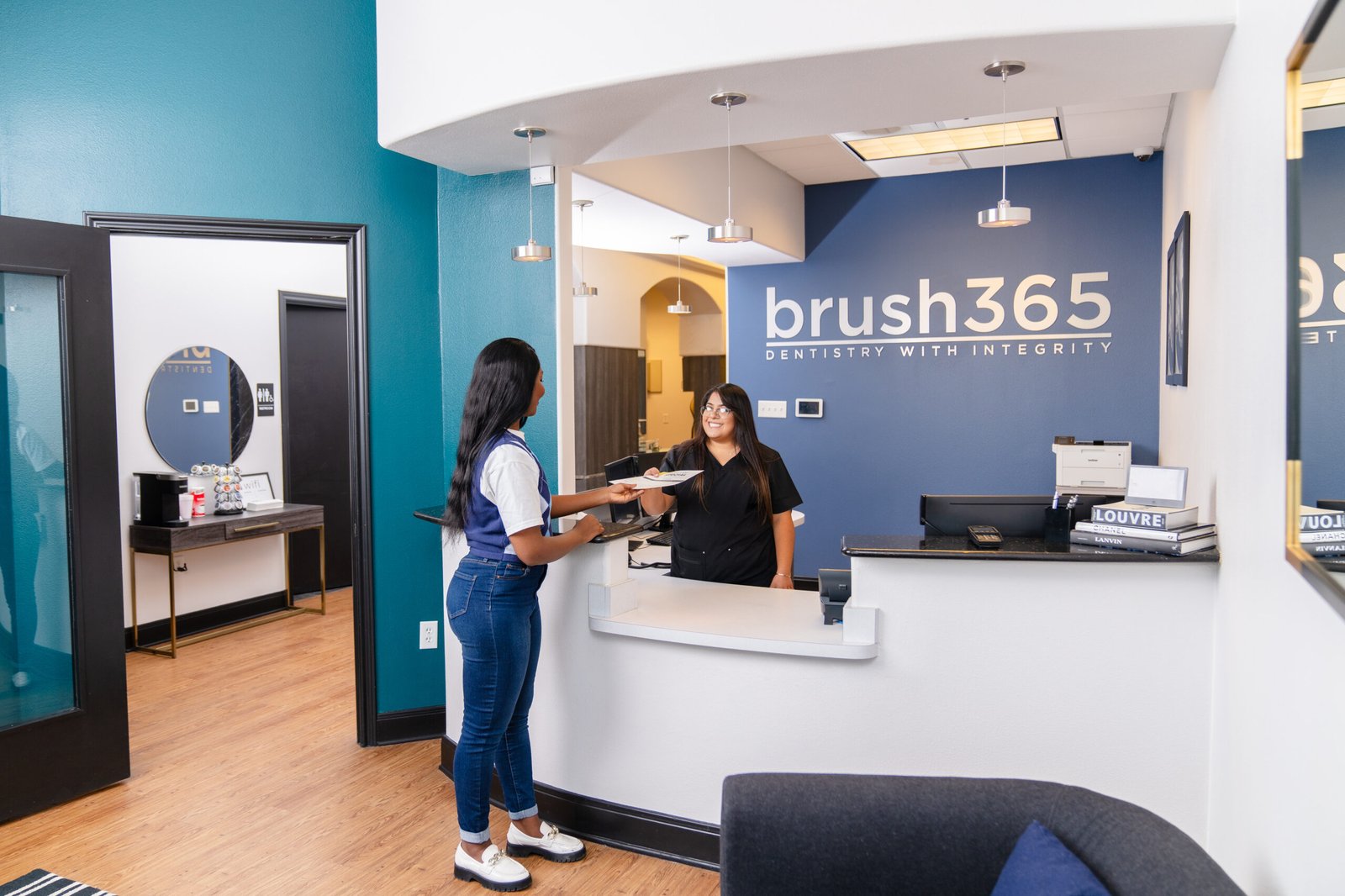
At brush365 Dental Injury, care is designed to feel clear, steady, and well-coordinated from the beginning. Each step is explained, documented, and built around how your injury is progressing. If you have questions or want to schedule an evaluation, contact us today to begin comprehensive dental trauma care with a team that will guide you every step of the way.