Jaw Injury Evaluation After Dental Trauma
Careful assessment to protect bite, stability, and function.
Experiencing Jaw Pain or Bite Changes After an Injury?
Early Evaluation Can Help Prevent Long-Term Problems.
Jaw injuries are often overlooked after accidents, especially when symptoms appear gradually. Trauma to the jaw can affect bite alignment, joint movement, and chewing function. Without proper evaluation, these issues may worsen over time.
At Brush365 Dental Injury, jaw injury evaluation focuses on assessing jaw alignment, stability, and function following trauma. Early diagnosis allows us to identify concerns, guide treatment planning, and coordinate referrals when additional care is required.
Common Signs of Jaw Injury:
Pain or soreness when chewing or opening the mouth
Changes in bite alignment after an accident
Clicking, popping, or restricted jaw movement
Facial or jaw swelling following trauma
Difficulty speaking or chewing comfortably
New Patients Should Choose ‘BDI brush365 Dental Injury Consultation’.
Benefits of Jaw Injury Evaluation
Why Early Assessment Matters
Identifies Alignment and Stability Issues
Evaluation helps detect bite changes or joint instability early.
Prevents Long-Term Complications
Early diagnosis reduces the risk of chronic pain or dysfunction.
Coordinated Care When Needed
Referrals are arranged when additional imaging or specialist care is required.
Protects Oral Function
Proper assessment supports normal chewing, speaking, and jaw movement.
How Jaw Injury Evaluation Works
Jaw injury evaluation focuses on understanding how trauma has affected jaw movement and bite alignment. Some injuries are immediately noticeable, while others develop days or weeks after the incident.
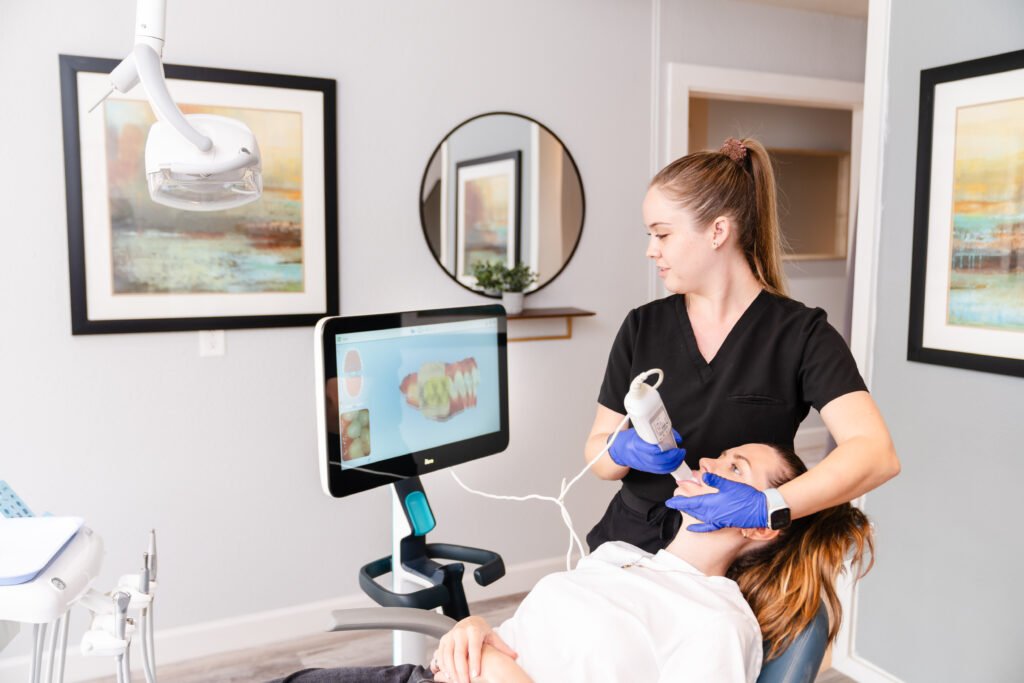
Our team carefully evaluates jaw position, range of motion, and bite stability to determine whether further treatment or referral is necessary.
The Process of Jaw Injury Evaluation
A CAREFUL, STEP-BY-STEP APPROACH TO ASSESSMENT.
- INITIAL CLINICAL ASSESSMENT
We evaluate jaw movement, bite alignment, and areas of discomfort following trauma.
- DIAGNOSTIC REVIEW
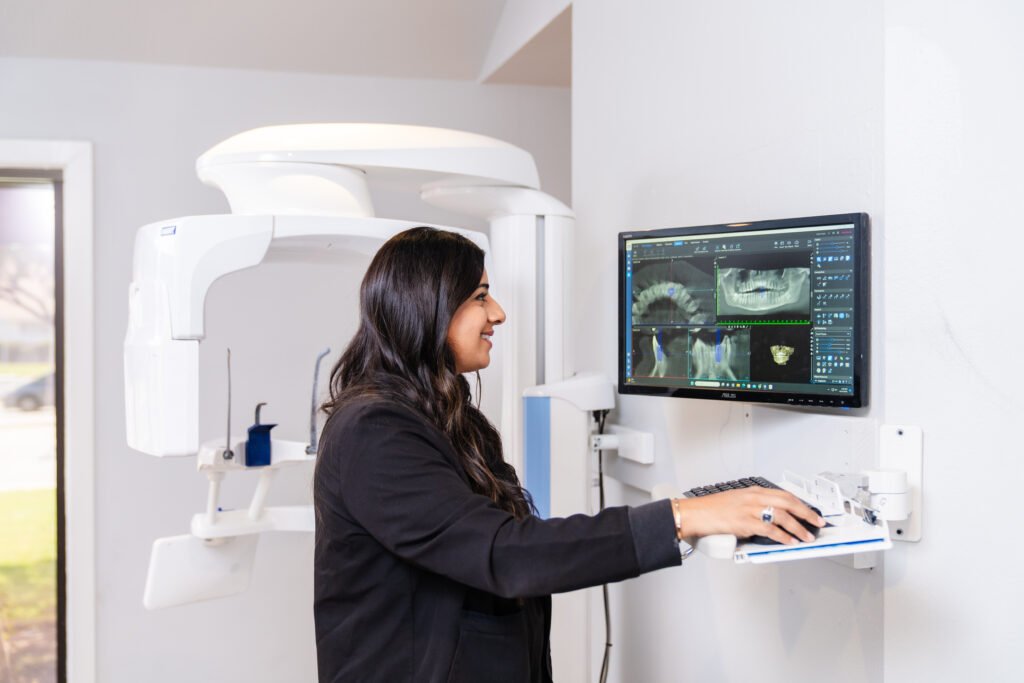
Imaging and clinical findings are reviewed to identify alignment or structural concerns.
- TREATMENT GUIDANCE
Based on results, we recommend appropriate next steps or monitoring.
- REFERRAL COORDINATION
When necessary, referrals to specialists are coordinated to ensure comprehensive care.
Our team focuses on early identification and proper coordination to protect long-term jaw function.
New Patients Should Choose ‘BDI brush365 Dental Injury Consultation’.
Frequently Asked Questions
Can jaw injuries occur without broken teeth?
Yes. Jaw injuries may affect joints or alignment even when teeth appear intact.
Should I seek evaluation if symptoms are mild?
Yes. Mild symptoms can worsen over time without early assessment.
Do jaw injuries always require specialist treatment?
Not always. Some cases require monitoring, while others may need referral depending on severity.
Can jaw injuries affect my bite long-term?
Yes. Untreated jaw injuries can lead to bite changes and functional issues.