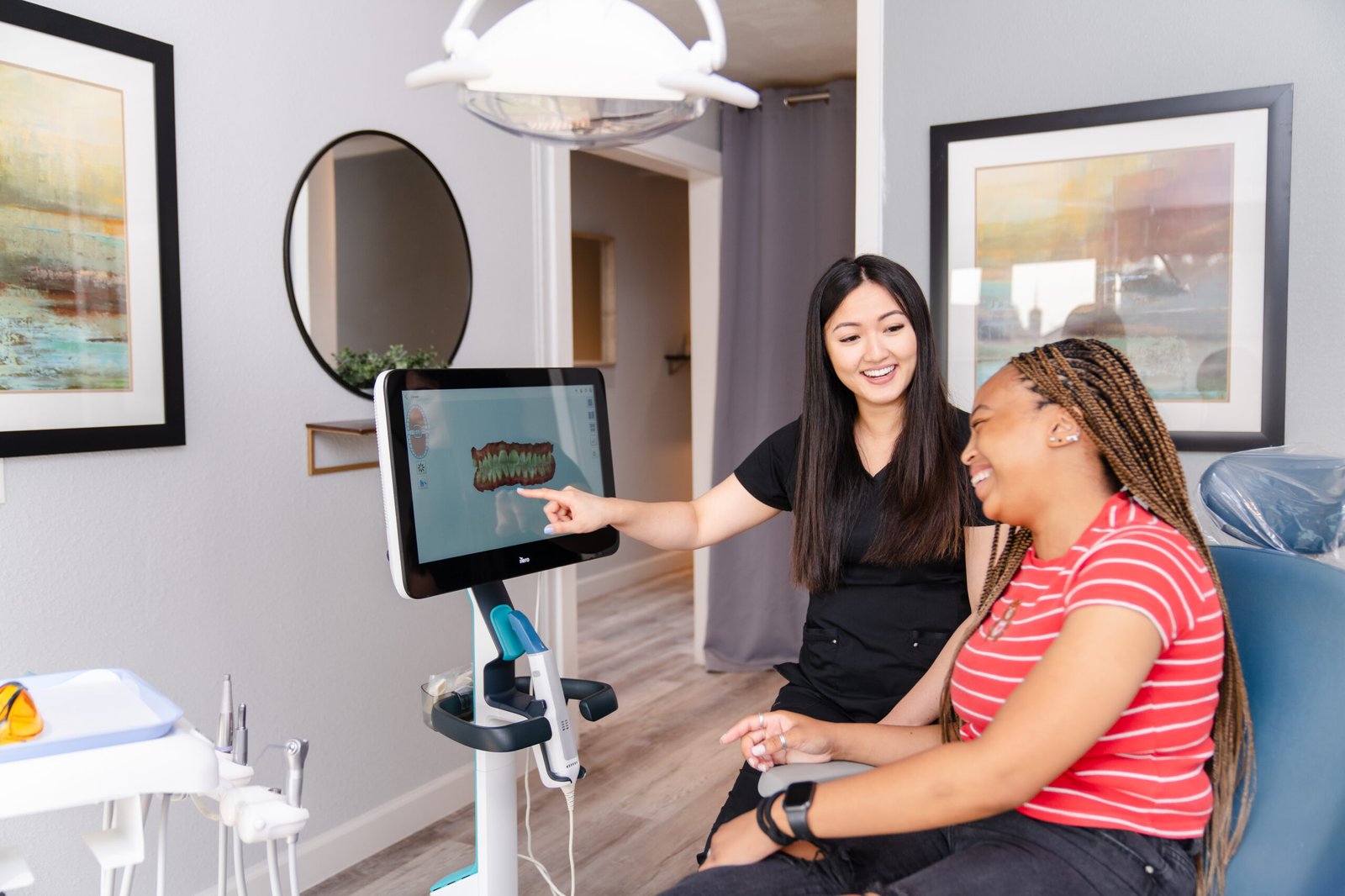
After an accident, dental injuries rarely exist in isolation. Many patients are also seeing a chiropractor for neck strain, a physical therapist for mobility limitations, or a pain management physician for persistent discomfort. When each provider works separately without awareness of the others, recovery can begin to feel fragmented.
Dental structures do not function independently from the rest of the body. Teeth, jaw joints, facial muscles, and cervical structures are interconnected. Bite changes can influence muscle tension. Jaw instability can contribute to headaches or neck discomfort. Facial nerve sensitivity can alter how muscles fire and adapt. When those relationships are overlooked, improvement in one area may be limited by instability in another.
At brush365 Dental Injury, dental trauma is treated as part of a broader recovery process rather than as an isolated problem.
When Providers Communicate, Recovery Moves More Smoothly
Lack of coordination often creates subtle setbacks. A chiropractor may be addressing cervical alignment while unaware that bite instability is contributing to muscular strain. A pain management physician may be treating facial discomfort without knowing a tooth has lost vitality following impact. Even small gaps in communication can lead to repeated symptoms or slower progress.
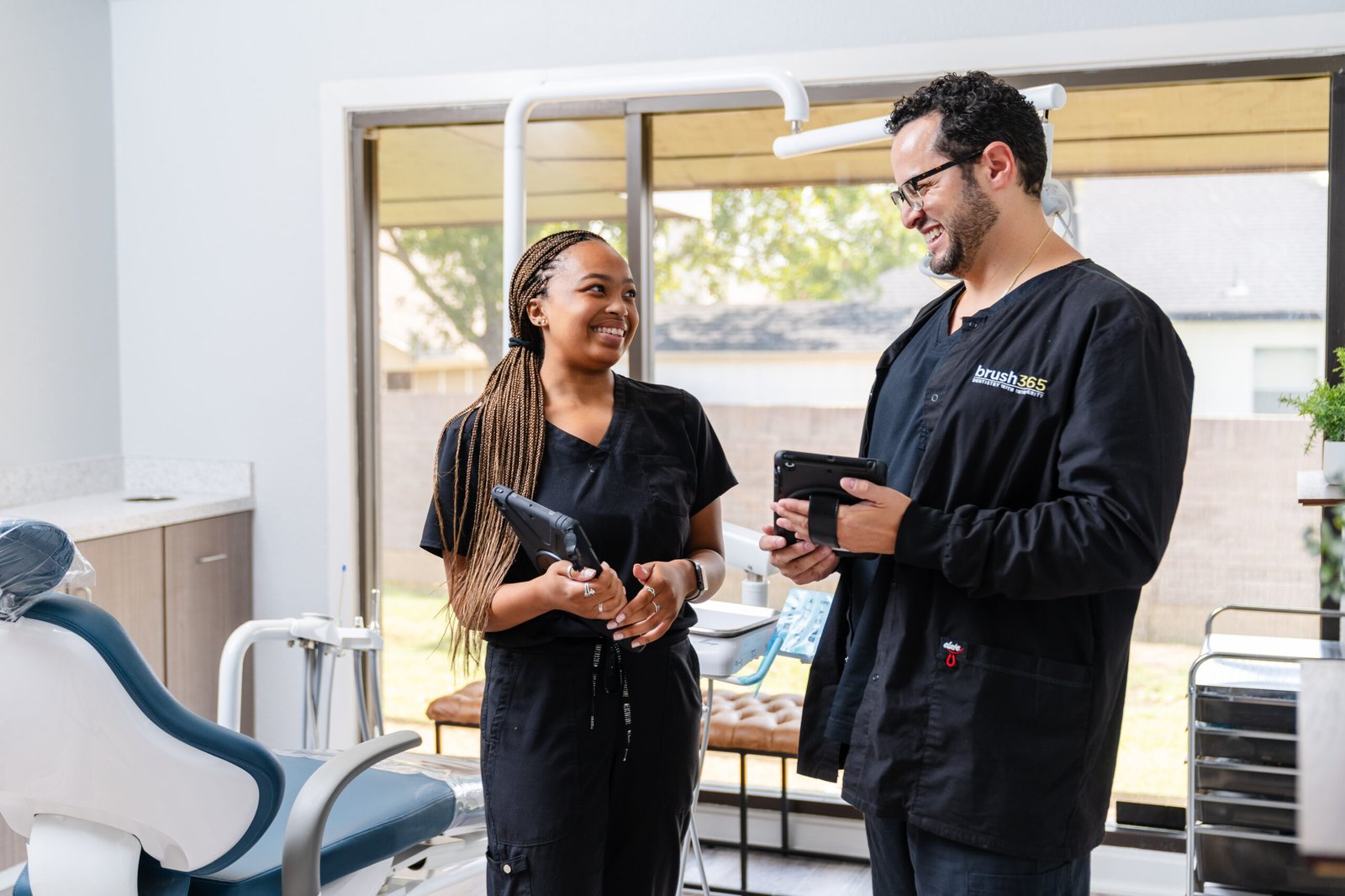
Clear communication helps prevent that disconnect. With appropriate authorization, we share relevant findings, imaging, and treatment timelines with other providers involved in a patient’s care. This allows adjustments, therapy plans, and dental treatment to support one another rather than compete.
Coordination also protects documentation. When records across providers reflect consistent findings and aligned timelines, the recovery narrative remains clear. This reduces confusion and helps prevent unnecessary delays in treatment progression.
Supporting Whole-Patient Recovery Without Overcomplicating Care
Whole-patient recovery does not mean adding unnecessary layers to treatment. It means recognizing that trauma affects multiple systems at once and planning accordingly. Addressing only one area while ignoring another often leads to partial improvement rather than lasting stability.
Dental injury treatment may involve stabilizing the bite while another provider addresses soft tissue strain. Monitoring nerve health may occur alongside therapy for jaw mobility. Each step contributes to restoring functional balance rather than chasing isolated symptoms.
Patients benefit from knowing their providers are aware of one another’s work. It reduces uncertainty and removes the burden of acting as a go-between. When coordination happens behind the scenes, patients are free to focus on healing instead of explaining their condition repeatedly.
If you are currently seeing other medical providers for accident-related injuries and are experiencing dental or jaw symptoms, contact brush365 Dental Injury to arrange a dental injury evaluation. We will assess your condition and coordinate appropriately so your recovery remains cohesive and steady.