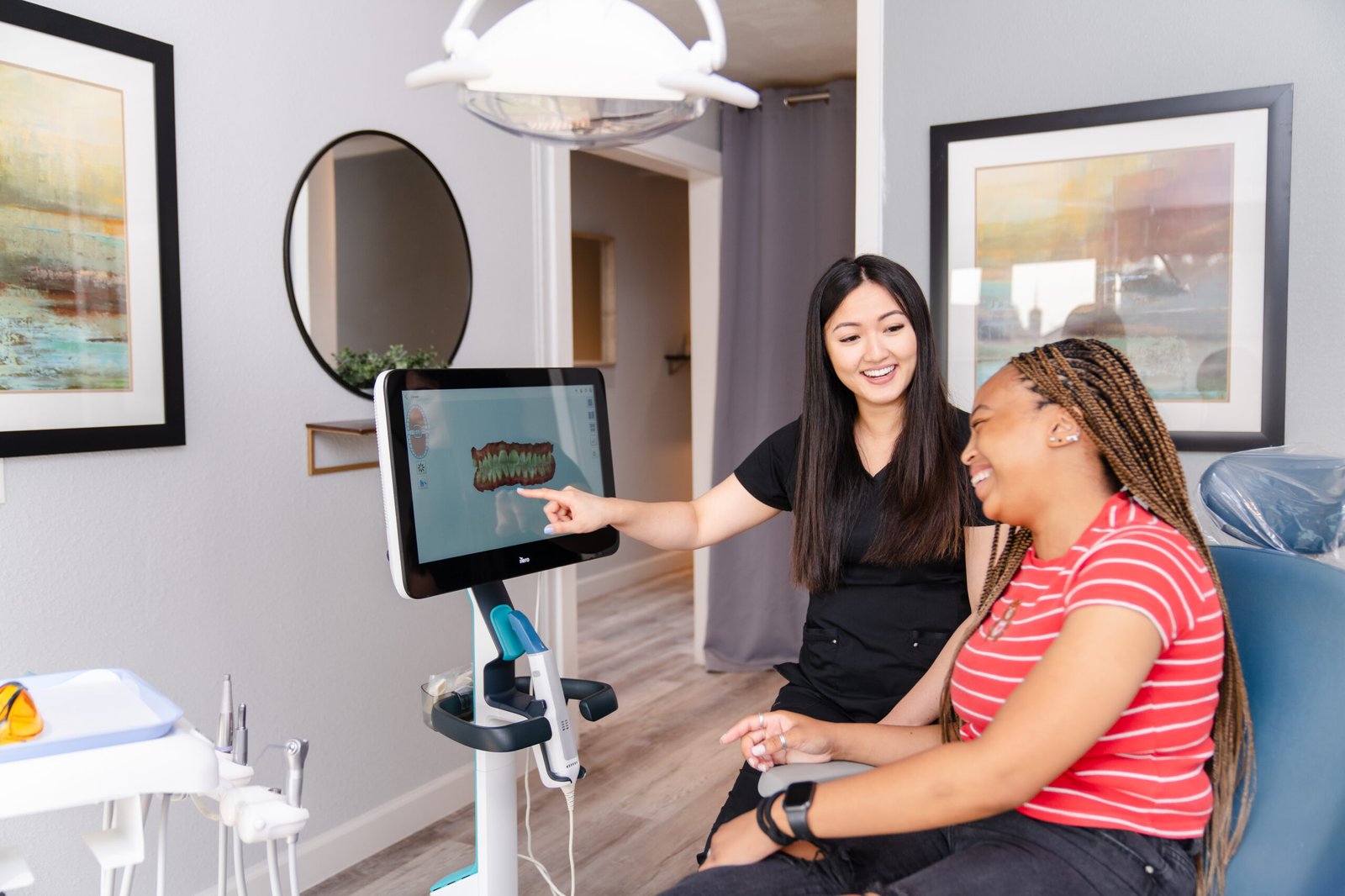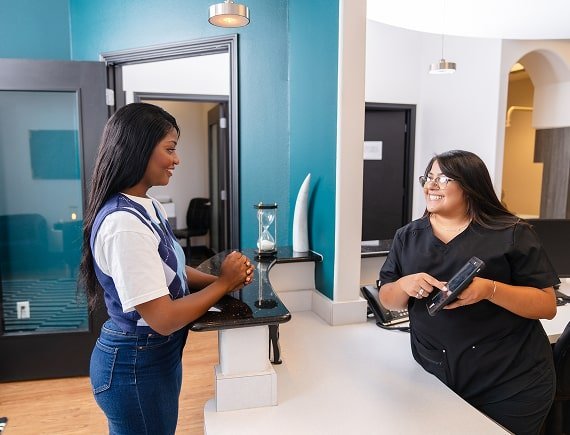
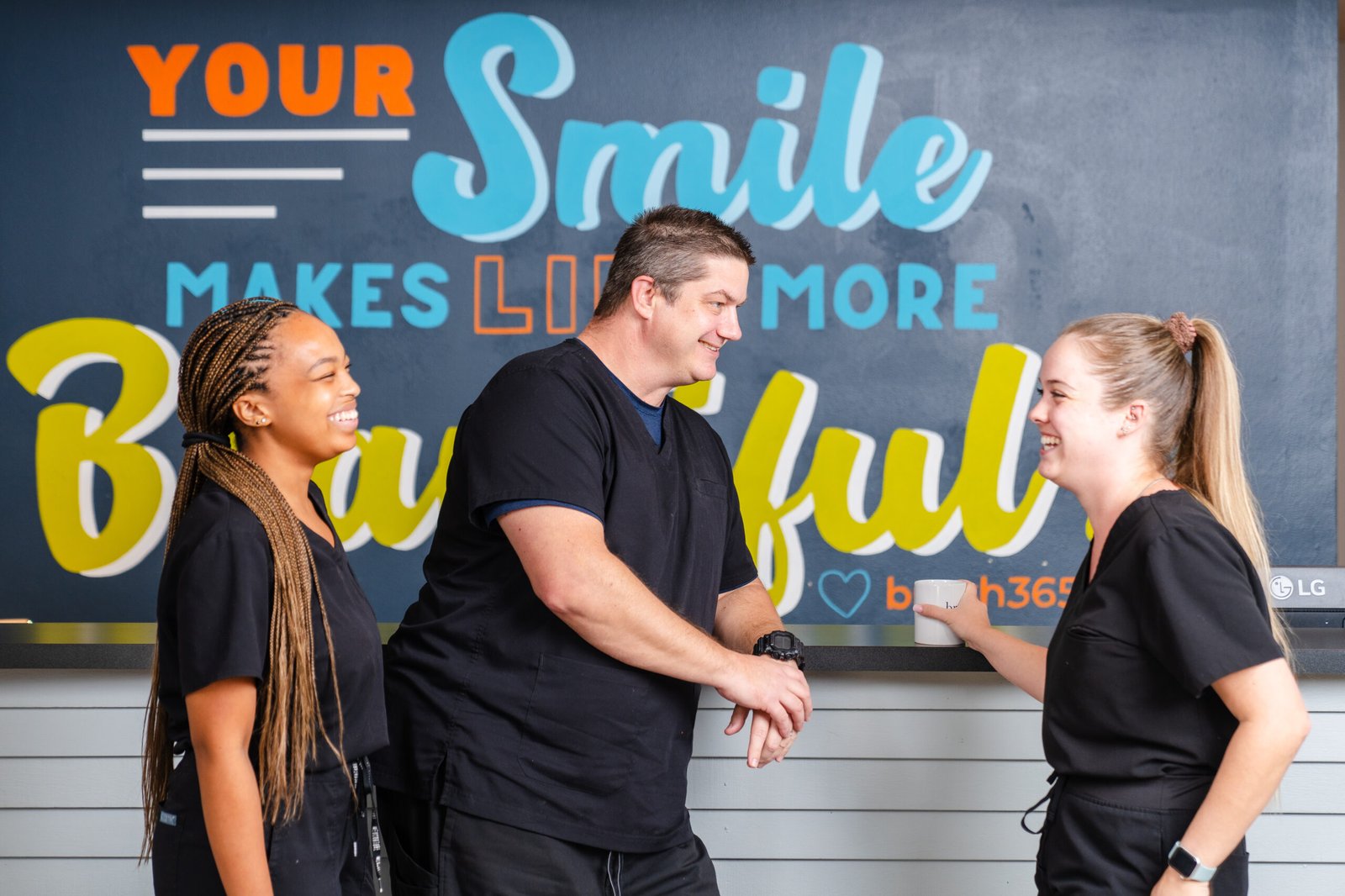
When someone walks into a dental injury clinic after an accident, they are rarely arriving calm or prepared. Many are in pain. Some are unsure how insurance works. Others are trying to manage paperwork, legal conversations, and the physical shock of what just happened. Clinical skill matters in that moment, but so does the structure surrounding it.
At brush365 Dental Injury, building a team for injury care meant acknowledging that post-accident appointments are fundamentally different from routine dental visits. Patients are not coming in for cleanings or elective procedures. They are navigating disruption. They may be anxious about costs or may not understand how dental findings connect to insurance timelines. They may hesitate to ask questions because they feel they should already know the answers.
That context shapes how care is delivered from the first phone call forward. It influences tone, pacing, documentation, and communication long before treatment begins.
Injury Care Requires Emotional Awareness and Operational Discipline
Injury dentistry takes more than technical skill. It requires steady, thoughtful systems: how patients are welcomed, how their situation is explained, and how records are managed. In practices that regularly handle injury cases, documentation requests aren’t treated as disruptions; they’re simply part of the process.
The front desk team understands how to gather the right information in a way that feels calm and respectful, not clinical or rushed. They recognize that speed alone doesn’t ease tension. Without empathy, even an efficient process can leave a patient feeling more overwhelmed than when they arrived.
On the clinical side, providers carry parallel responsibilities. They are addressing pain, structural damage, and functional changes while also documenting findings clearly and responsibly. They must explain injuries in plain language while creating records that remain accurate over time. Treatment must be sequenced carefully, especially when healing and reassessment are necessary before permanent decisions are made.
This coordination only works when everyone on the team understands the environment they are operating within. Injury cases are layered. Communication gaps create confusion quickly. When systems are aligned, patients experience fewer interruptions and fewer mixed messages, and that stability matters during recovery.
The Difference Patients Experience
Patients often say they felt listened to or treated with respect. Those reactions are not accidental, but rather reflect systems that were built intentionally.
Injury cases can make people feel reduced to paperwork and case numbers. When someone is already dealing with discomfort and uncertainty, that experience can feel isolating. A team structured specifically for post-accident care approaches conversations differently. Timelines are explained realistically, questions are answered, and insurance and legal processes are acknowledged as unfamiliar rather than assumed knowledge.
Trust develops when patients feel safe asking questions and confident that details are being handled properly behind the scenes. That trust does not eliminate injury, but it does make the process more manageable.
If you have experienced dental or jaw trauma after an accident, contact brush365 Dental Injury to arrange a dental injury evaluation. Our team is structured specifically for post-accident care, from the first call through the final stage of healing.