
Dental work that was stable before an accident can begin to feel different afterward.
A filling may develop a rough edge. A crown may feel slightly loose or uncomfortable when biting. A bridge may shift if one of the teeth supporting it was affected by the impact.
Those changes do not all mean the same thing. These restorations rely on different types of support, so the way each one responds to trauma can vary. Understanding which restoration was involved helps the dentist determine what needs to be checked and what type of treatment may be appropriate.
How Different Restorations Can Change After an Accident
Fillings, crowns, and bridges respond differently to trauma because each depends on the natural teeth in a different way.
A filling is supported by the tooth structure around it. After an impact, it may crack, separate, or leave the surrounding tooth weakened. The first sign may be a rough edge, new sensitivity, or discomfort when biting.
Crowns cover more of the tooth, so trauma can affect the crown itself, its bond, or the way it fits around the tooth. A crown may feel loose, sit differently, or begin contacting earlier than the surrounding teeth even when there is no obvious fracture. Dental crown treatment after injury depends on both the condition of the restoration and the natural tooth underneath.
Bridges can be more complex because they rely on supporting teeth on either side of the missing space. If one of those teeth shifts, cracks, or becomes unstable, the entire bridge may begin to feel different when chewing.
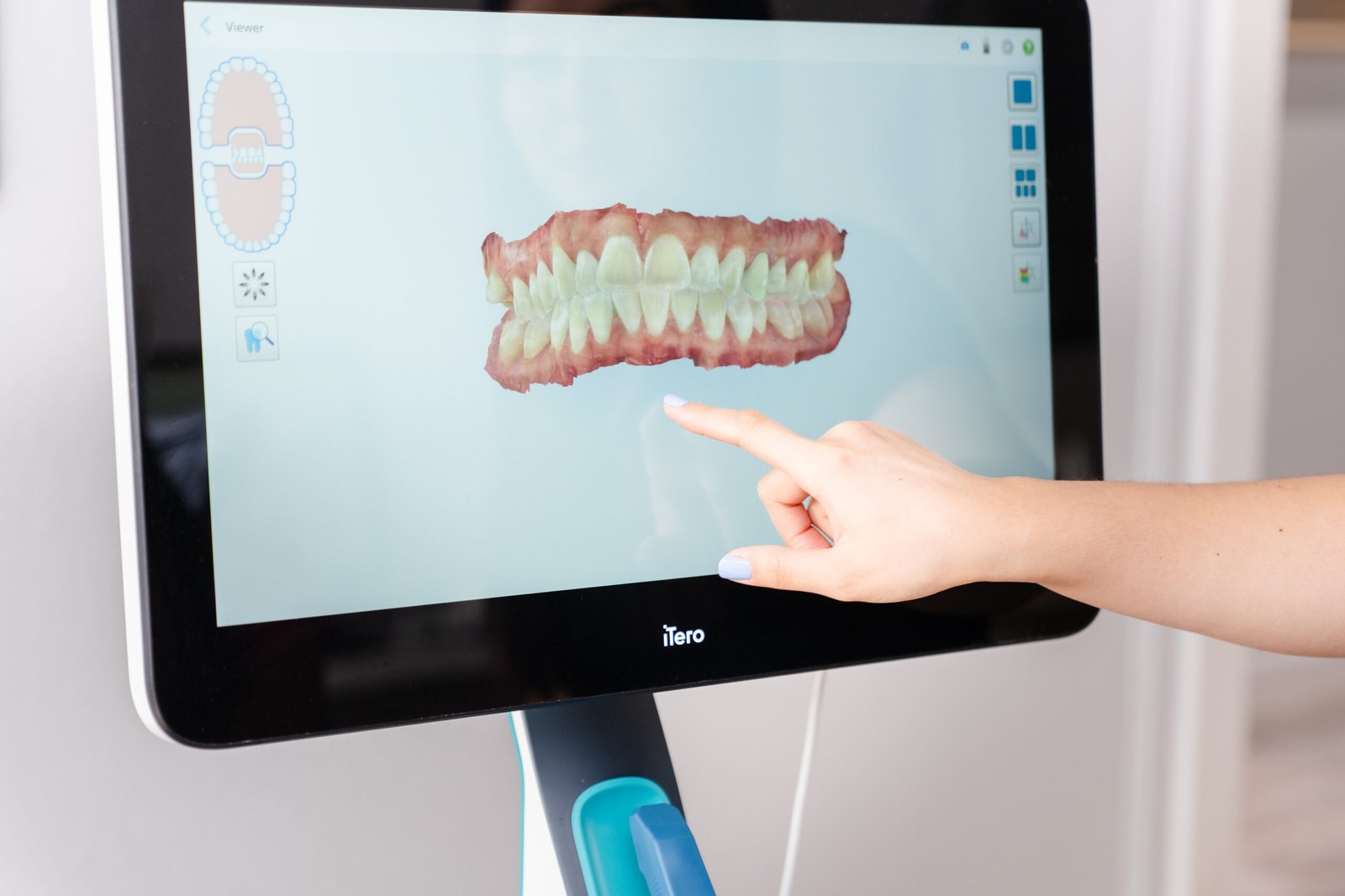
These changes are important because dental trauma does not always produce a visible break. A restoration may look intact while the bite feels uneven, pressure becomes concentrated in one area, or food begins catching where it did not before. Emergency dental imaging may help identify damage to the tooth or supporting structures that cannot be seen during a visual examination.
At brush365 Dental Injury, the evaluation focuses on how the restoration and supporting teeth are functioning after the accident, including whether the fit, bite, or stability has changed.
Treatment Depends on the Type of Restoration and the Damage
The next step can look different for a filling than it does for a crown or bridge.
A damaged filling may be relatively straightforward to replace when the surrounding tooth remains healthy. If the tooth itself fractured, however, a larger restoration may be needed.
A crown may be recemented in limited situations, but one that is cracked, distorted, or no longer fits properly may need to be replaced. The condition of the tooth underneath also affects that decision.
With bridges, treatment depends on whether the problem involves the bridge itself, one of the supporting teeth, or both. Because several teeth may contribute to the restoration, the plan may require more than addressing the area where the patient first noticed discomfort.
This is why the type of dental work matters after trauma. Each restoration has a different relationship with the natural teeth supporting it, and dental injury treatment has to account for both the damaged restoration and the structures supporting it.
Dental restorations can remain stable for years, so a new change after an accident is worth paying attention to.
If a filling suddenly feels rough, a crown feels loose, or a bridge no longer feels stable when you chew, schedule an evaluation for comprehensive dental trauma care. We can determine how the impact affected the restoration and whether the area needs repair, replacement, or additional treatment.