An accident does not have to break a natural tooth to create a dental injury. Existing restorations such as fillings, crowns, or bridges can also crack, loosen, shift, or fail after sudden impact.
A crown that becomes loose after a collision may have been affected by force to the tooth underneath it. A filling that fractures may also involve damage to the surrounding tooth structure. In some cases, the restoration is only the most visible part of a larger injury.
At brush365 Dental Injury, the focus is on identifying what changed after the accident and whether the restoration, the natural tooth, or both need treatment.
What Was Damaged, and Can the Restoration Be Repaired?
Dental work is designed to tolerate normal biting and chewing forces, but trauma can place very different stress on a restoration. A blow to the mouth, fall, or collision may crack it, loosen its bond to the tooth, or shift it enough to change the bite. The natural tooth underneath may also fracture or become weakened at the same time.
That is why replacing a crown or filling that came loose may not address the full problem.
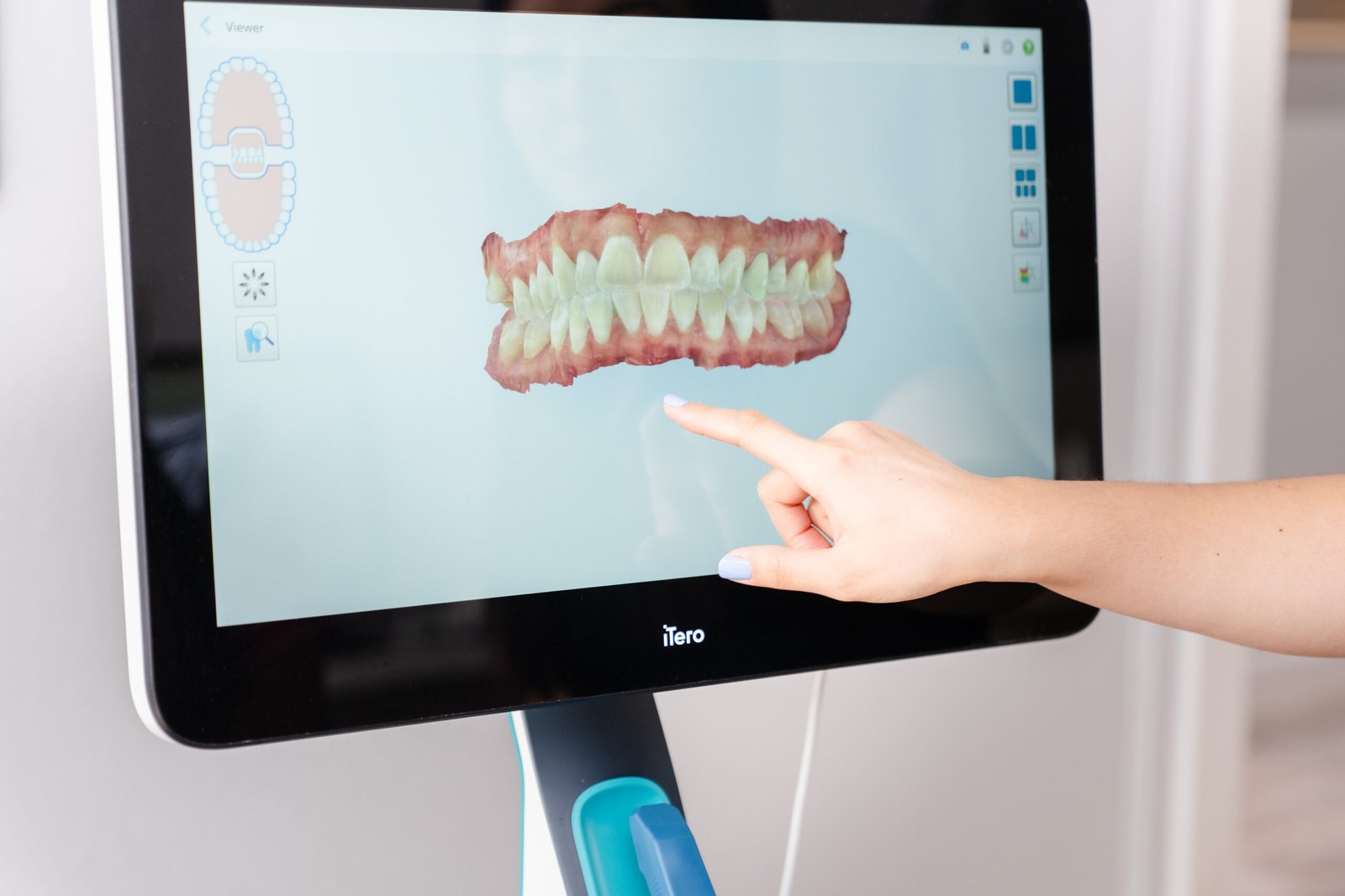
The dentist may need to examine the remaining tooth structure, root, bite, and surrounding tissues before deciding what can be repaired. Emergency dental imaging may also be appropriate when the extent of the injury is not visible during the exam. The age of the restoration can be part of that evaluation, but an older restoration should not automatically be assumed to have failed because of wear if the problem began after trauma.
Once the extent of the damage is clear, the next question is whether the restoration is still stable enough to repair.
A small filling problem may have a relatively straightforward solution if the surrounding tooth remains healthy. A fractured filling or crown may need replacement when there is not enough stable material left or when the fit has changed.
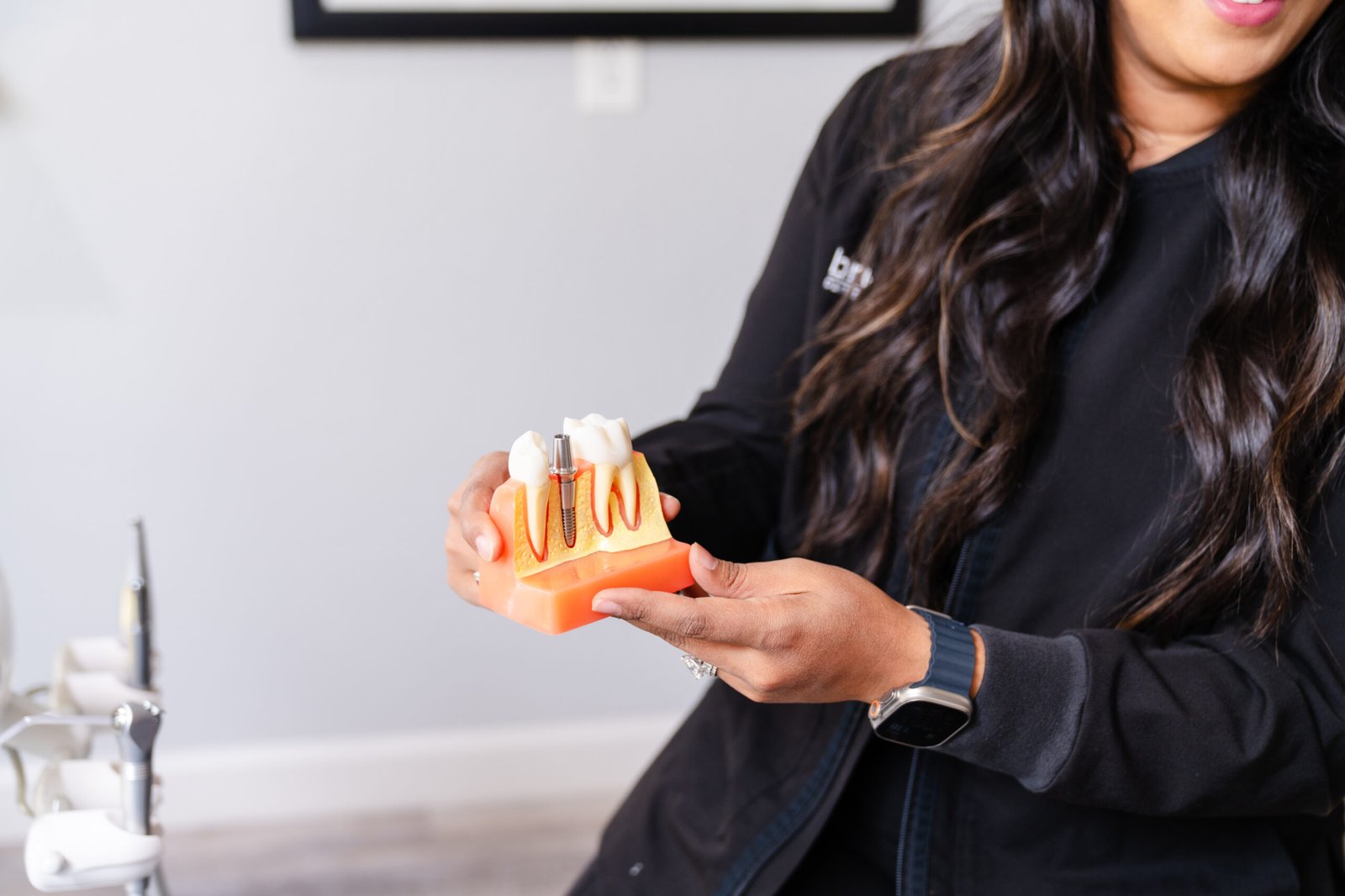
Bridges can be more complex because the supporting teeth also need to be evaluated. If trauma affected one of those teeth, treatment may involve more than replacing the bridge itself.
The condition of the natural tooth is usually the deciding factor. If the tooth underneath is cracked or fractured, weakened, or otherwise injured, that problem needs to be addressed before a new restoration can function predictably. The bite also matters, especially if the accident changed how pressure is distributed across the teeth.
Why the Timeline and Cause of Failure Matter
When previously stable dental work begins causing problems after an accident, documenting what was found can help establish a clear clinical timeline.
The evaluation may record the condition of the restoration, symptoms, bite changes, surrounding tooth structure, and imaging findings when needed. That creates a baseline for treatment and follow-up and can help clarify whether the restoration appears to have failed in connection with the trauma rather than through routine wear.
That context matters, but the restorative decision still comes back to the condition of the tooth.
The dentist needs to determine whether the restoration has adequate support, whether the natural tooth was also damaged, whether the bite changed, and whether nearby teeth were affected during the accident.
Once those questions are answered, dental injury treatment can focus on restoring stable function rather than simply recreating the old dental work.
If a filling, crown, or bridge became loose, painful, cracked, or unstable after an accident, contact our team for comprehensive dental trauma care. The assessment can help determine what failed during the impact and whether repair, replacement, or treatment of the underlying tooth is the appropriate next step.