Dental injuries are not always obvious right away. Sometimes a tooth breaks during a fall, accident, sports injury, work incident, or from biting down on something unexpectedly hard. Other times, the tooth still looks normal, but something feels different.
That difference matters. New pressure when biting, lingering sensitivity, looseness, swelling, or pain that develops later can all point to trauma beneath the surface. A dental injury may affect the visible tooth structure, but it can also involve the nerve, root, surrounding bone, bite, or the tissues that help hold the tooth in place.
At brush365 Dental Injury, the goal of a dental trauma consultation is to understand what changed, how deep the injury may go, and what needs to happen next to protect long-term oral health.
What Different Dental Injury Symptoms May Point To
A cracked or chipped tooth may seem straightforward, especially if the damage is visible. But cracks can vary widely. Some affect only the outer enamel. Others extend deeper into the tooth, creating pain when biting, sensitivity to temperature, or a higher risk of nerve irritation. In these cases, fractured tooth treatment may be needed to prevent the damage from worsening.
A loose or shifted tooth needs a different kind of attention. Mobility after trauma can mean the tissues around the tooth were stretched or damaged. It may also suggest bite trauma, bone injury, or displacement that needs to be evaluated before normal chewing pressure makes the problem worse.
Pain after an accident can be just as important, even when there is no obvious crack. Trauma-related tooth pain may come from inflammation inside the tooth, irritation around the root, pressure from a changed bite, or damage that cannot be seen without emergency dental imaging. Some symptoms appear right away. Others develop as swelling, nerve response, or inflammation changes over time.
That is why “it still looks fine” is not always reassuring after dental trauma. The way the tooth feels, moves, and responds to pressure can reveal concerns that are not visible in the mirror.
How brush365 Dental Injury Looks Beneath the Surface
Dental trauma can be difficult to judge from appearance alone. Two patients may describe similar pain, but one may have a minor chip while another has a deeper fracture, nerve injury, or damage around the root.
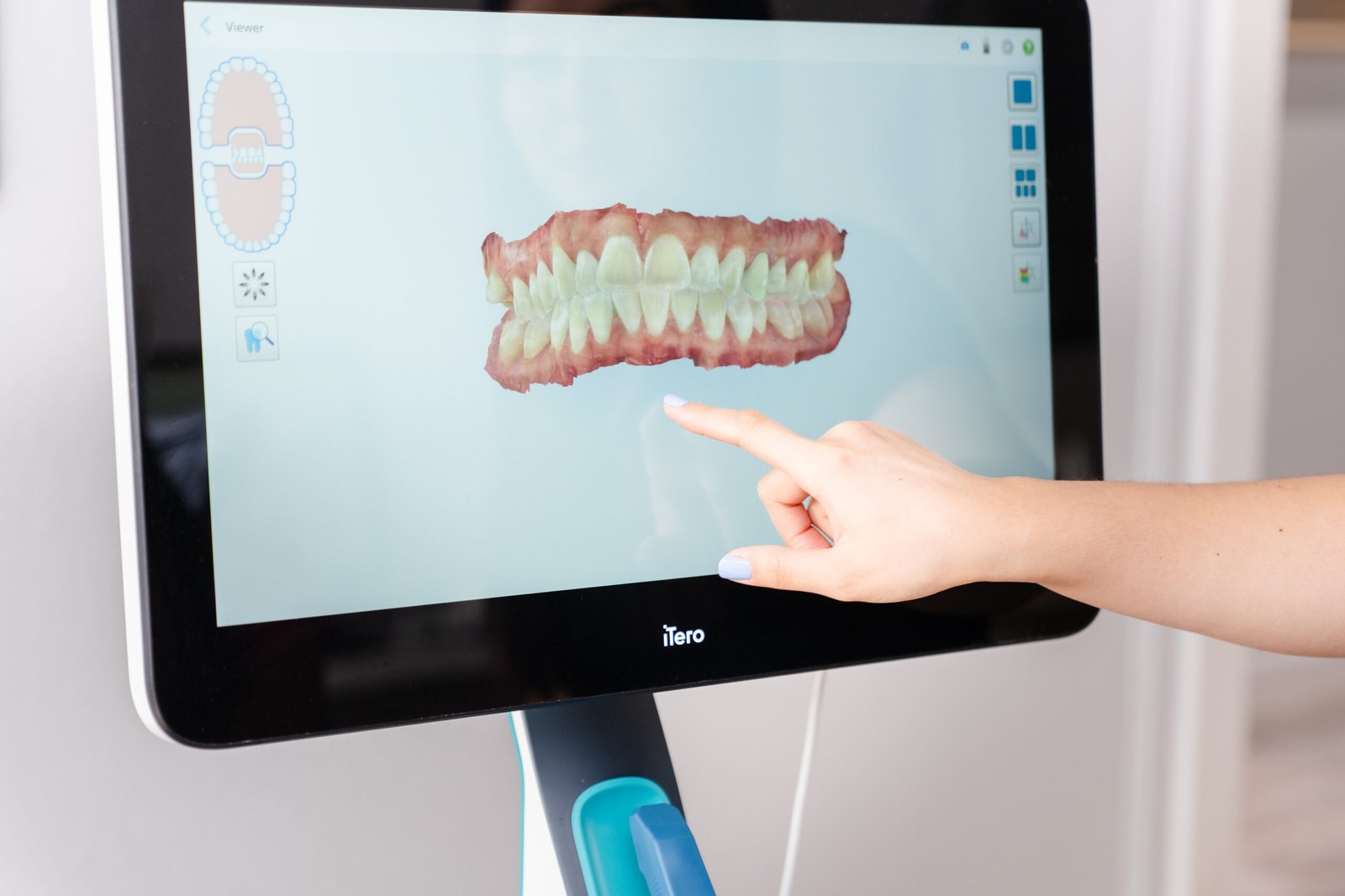
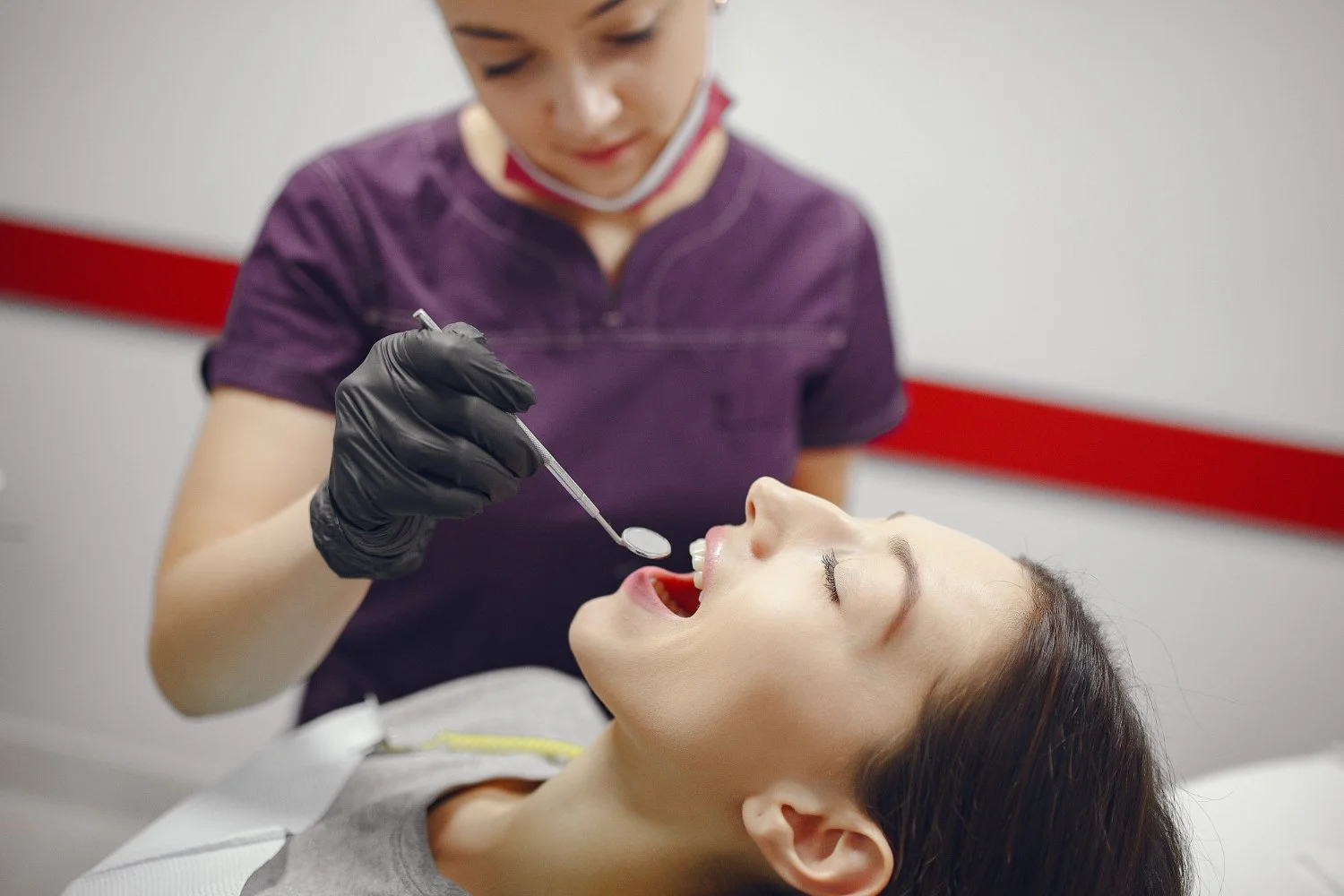
An evaluation may include a clinical exam, bite assessment, mobility testing, digital X-rays, and advanced imaging when needed. CBCT 3D imaging can be especially helpful when there is concern about the roots, bone, or deeper structures that standard images may not fully show.
This step helps guide the right level of care. A small chip may only need smoothing or bonding. A weakened tooth may need dental crown treatment after injury to protect the remaining structure. If trauma has affected the nerve, root canal treatment may be recommended to relieve pain and help preserve the natural tooth. If the tooth cannot be restored predictably, extraction and replacement options can be discussed with clear sequencing and expectations.
The point is not to assume the most serious outcome. It is to identify the actual source of the problem so treatment fits the injury.
When to Schedule a Dental Injury Evaluation
Dental trauma should be evaluated promptly when there is pain, swelling, bleeding, tooth movement, a change in bite, or visible damage. It is also worth being seen when a tooth simply feels different after an accident, even if the discomfort seems mild.
Some situations need same-day attention, especially when pain is increasing, a tooth has moved out of position, swelling is present, or infection is suspected. Early evaluation can make treatment more predictable and may help preserve natural tooth structure before the injury becomes more complicated.
If you have a cracked tooth, loose tooth, dental trauma, or pain after an accident, schedule an evaluation with brush365 Dental Injury to begin comprehensive dental trauma care. A prompt exam can help identify what changed, explain what the symptoms may mean, and give you a clear plan for what comes next.