After an accident, most people pay attention to the injuries they can see or feel right away. A broken tooth, swelling, bleeding, or sharp pain is hard to ignore.
A bite change can be easier to dismiss.
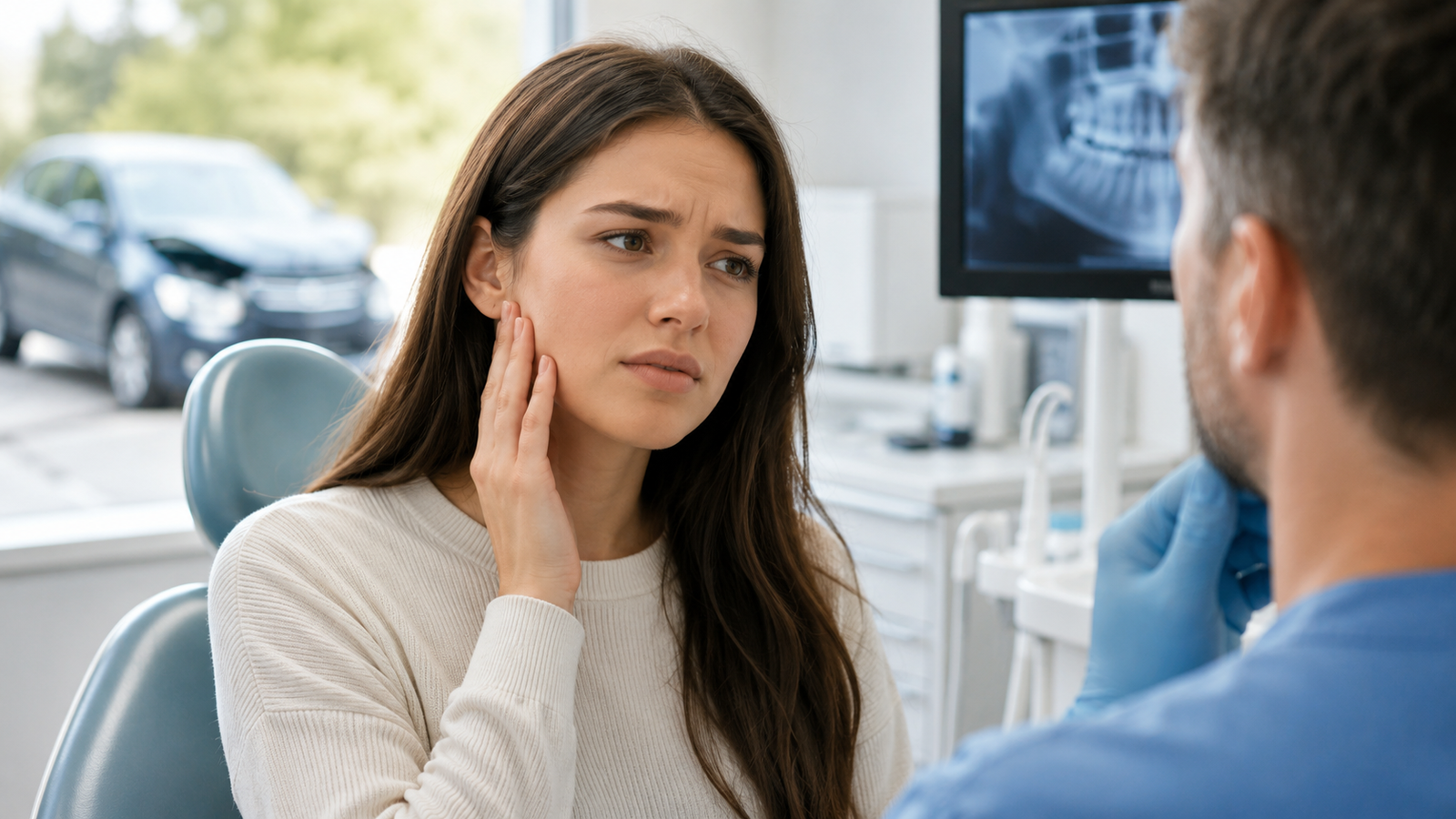
If your teeth suddenly feel uneven, uncomfortable, or like they no longer come together the same way, that change may be connected to the injury and may require a jaw injury evaluation. The accident may have affected a tooth, the ligament around a tooth, the jaw joint, the muscles, or the way force moves through the mouth when you chew.
How Trauma Can Change the Bite
A bite can change after a blow to the face, jaw, mouth, head, or neck. A tooth may shift slightly. A fracture may change how the tooth absorbs pressure. The ligament that supports the tooth may be strained. The jaw joint may become irritated. In some cases, swelling or muscle guarding can make the jaw close differently for a period of time.
Patients may notice one tooth hitting before the others, teeth that no longer feel evenly aligned, new sensitivity when chewing, jaw tightness, headaches after eating or clenching, clicking or popping, or difficulty opening the mouth. These are common reasons patients seek dental trauma consultations after an accident.
These symptoms matter because the teeth, muscles, joints, and restorations work together. When the bite changes, the mouth may start compensating around the injured area. That compensation can place extra stress on teeth or jaw structures that were already affected by the accident.
Why Uneven Pressure Can Create More Problems
When the bite is no longer balanced, certain teeth may absorb more force than they should. This can be especially concerning if a tooth was cracked, loosened, displaced, or weakened during the injury.
A tooth that moved slightly during impact may begin hitting harder than the surrounding teeth. A cracked tooth may become more painful because chewing continues to stress the fracture. A crown, filling, or natural tooth may feel “high” because the jaw is closing differently after trauma.
The jaw can also become involved. After an accident, muscles often tighten to protect the injured area. If the bite feels unstable, the jaw may work harder to find a comfortable resting or chewing position. Over time, this may contribute to jaw fatigue, muscle tenderness, TMJ discomfort, pain when chewing, limited opening, or increased clenching and grinding.
These changes do not always appear all at once. Some patients notice them immediately. Others begin to feel them days or weeks later as swelling settles, muscle tension changes, or normal chewing resumes.
What a Post-Accident Bite Evaluation May Involve
Not every bite change requires major treatment, but it should be documented and evaluated after trauma. The goal is to understand what changed, why it changed, and whether the teeth or jaw need support while healing.
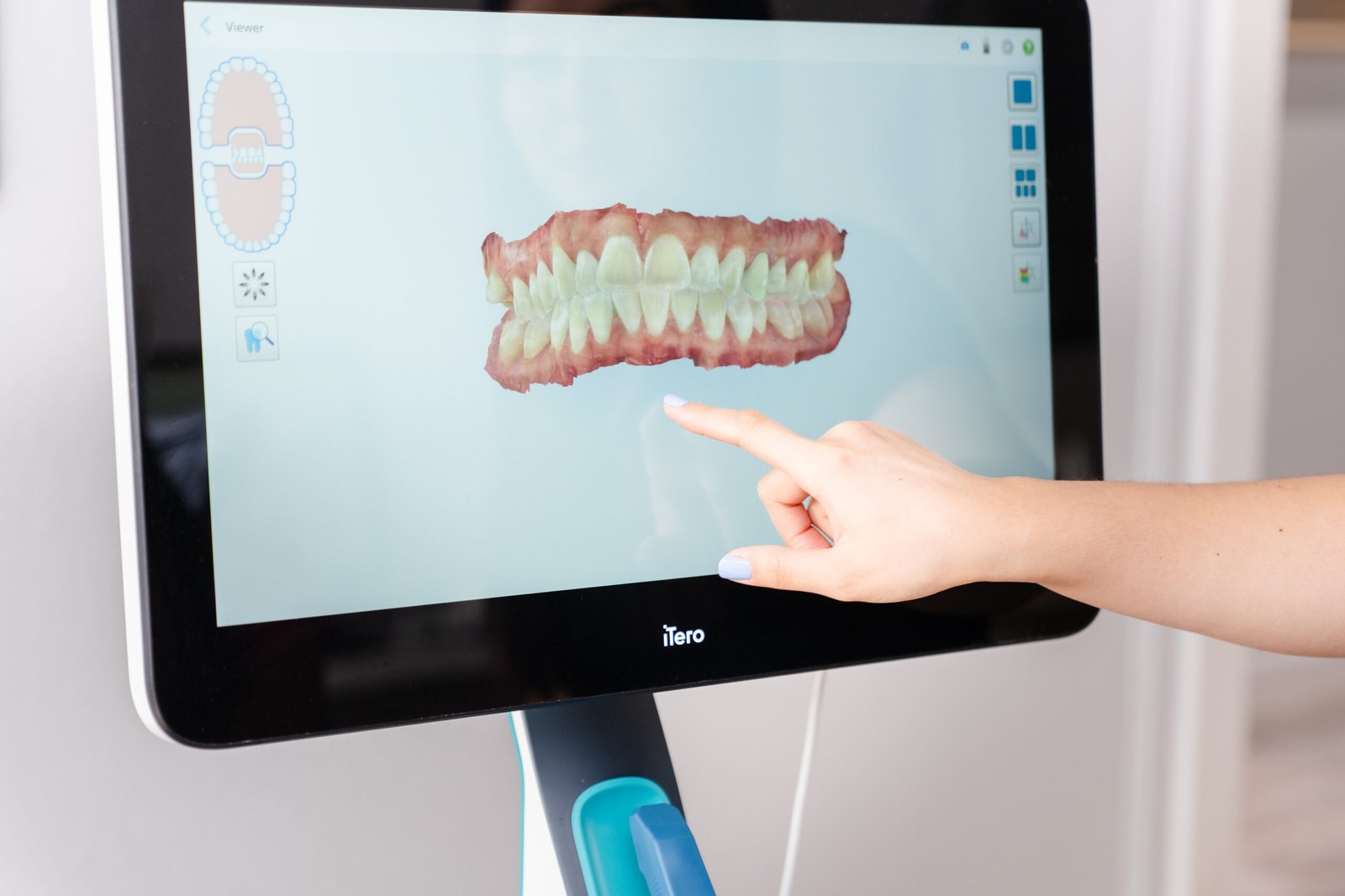
At brush365 Dental Injury, a post-accident dental evaluation may include a bite assessment, digital X-rays, photographs, dental trauma testing, and emergency dental imaging when needed. This helps determine whether the change is related to tooth movement, fracture, nerve injury, jaw strain, TMJ involvement, or another underlying issue.
Care depends on the findings. Some cases can be monitored. Others may need a bite adjustment, restoration of a damaged tooth, a custom night guard, treatment for jaw strain, or referral for more advanced joint or surgical evaluation. If a tooth is cracked or weakened, dental crown treatment after injury may be recommended to protect it from further damage. If clenching or grinding increased after the accident, a night guard may help reduce harmful pressure while the area recovers.
Documentation is also important. After an accident, symptoms can evolve. A clear exam record helps track whether the bite is improving, worsening, or creating additional functional problems over time.
If your bite feels different after an accident, even mildly, contact our team today to begin comprehensive dental trauma care and schedule a post-accident dental evaluation. Early assessment can help identify hidden dental trauma, reduce uneven pressure, support jaw recovery, and protect long-term oral function.