
After a dental injury, most people focus on one thing: getting seen quickly. That instinct makes sense. Pain, sensitivity, or visible damage creates urgency, and the first step is often a dental trauma consultation to understand what just happened.
What tends to matter just as much, though, is what happens after that initial visit.
Dental injuries are rarely one-step problems. Even when the damage looks straightforward, the underlying effects can involve the tooth structure, surrounding bone, and how the bite functions as a whole. Some of these changes are immediate. Others develop gradually as the body responds to the injury.
That is why speed alone is not enough. Without a clear and structured approach, care can become reactive, addressing symptoms as they appear instead of guiding the full recovery process. Over time, that gap is often what leads to lingering discomfort, delayed complications, or the need for more involved treatment later on.
At brush365 Dental Injury, the focus is on reducing that uncertainty by building consistency into every stage of care, not just the first visit.
Building a Clear Path From Evaluation to Recovery
Dental trauma is not always obvious at the surface. A tooth may look intact but respond differently to pressure. A bite may feel slightly off without a clear reason. In some cases, symptoms do not appear until days or weeks later.
Because of that, the starting point is not just identifying visible damage, but understanding how the injury has affected the system as a whole.
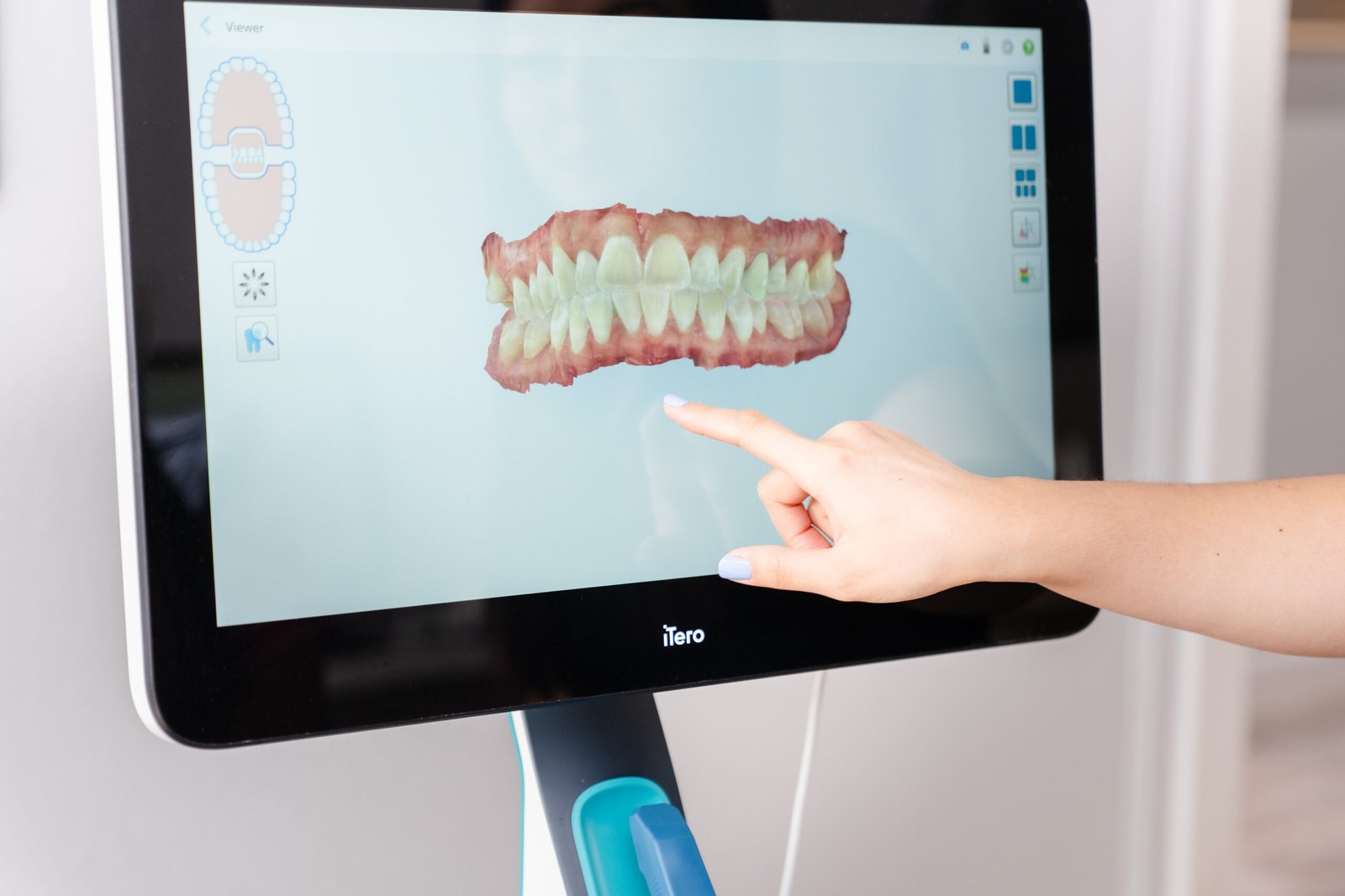
Care begins with a detailed evaluation supported by emergency dental imaging, allowing the team to assess both immediate concerns and less visible changes. From there, dental injury treatment is planned with two priorities in mind at the same time: stabilizing the current issue and protecting long-term function.
This distinction matters. Focusing only on short-term relief can overlook how the tooth or bite may change as healing progresses. On the other hand, delaying care in pursuit of a long-term plan can allow conditions to worsen unnecessarily. A structured approach balances both.
As treatment moves forward, care remains coordinated rather than fragmented. Emergency treatment, follow-up monitoring, and final restoration are connected as part of one process. Patients are not left navigating separate recommendations or unclear next steps. Each phase builds on what was already done, which helps reduce gaps in care and keeps recovery moving in a predictable direction.
Why Structure and Continuity Make a Difference
One of the more common challenges after a dental injury is inconsistency. Patients may be seen quickly, but without a clear plan for follow-up or long-term management. In other cases, care is spread across multiple providers without a unified approach.
That is where outcomes tend to become less predictable. Dental injuries often evolve. A tooth that feels stable early on may develop sensitivity or nerve-related symptoms later. A small fracture can deepen over time. Changes in how the teeth come together can place strain on other areas of the mouth if they are not addressed.
Without continuity, these changes are easier to miss or addressed later than they should be.
Consistent care, on the other hand, allows for ongoing reassessment. Small shifts can be identified early, and treatment can adjust as needed rather than restarting from scratch. Over time, that consistency is what helps preserve natural teeth when possible and reduces the likelihood of more invasive procedures.
For patients, this usually translates into a simpler experience. Instead of managing separate opinions or uncertain timelines, there is a clear progression from injury to resolution.
A Patient-Centered Approach That Prioritizes Clarity
Alongside clinical structure, how care is communicated plays a significant role in the overall experience.
After an injury, patients are often dealing with more than just dental concerns. There may be uncertainty about symptoms, questions about cost or coverage, and, in some cases, involvement with insurance or legal claims. When information is unclear, that uncertainty tends to delay decisions or add unnecessary stress.
At brush365 Dental Injury communication is designed to stay straightforward and consistent throughout the process. Findings are explained in plain terms, recommendations are tied directly to those findings, and next steps are outlined clearly before treatment moves forward.
The goal is not to rush decisions, but to make them easier to understand. When patients know what is happening and why, they are in a better position to move forward with confidence rather than hesitation.
This approach also keeps the focus where it belongs: on restoring function, comfort, and stability over time, not just addressing the immediate concern.
Moving Forward After a Dental Injury
If something feels different after an injury, even in a subtle way, it is usually worth having it evaluated. Dental trauma does not always present immediately, and early clarity often makes the next steps simpler.
At the same time, how that care is delivered matters. A structured, consistent approach helps ensure that nothing important is missed and that recovery does not become fragmented along the way.
BDI is built around that idea. From the initial evaluation through final treatment, care is designed to stay connected, clear, and focused on long-term outcomes.
If you have experienced a dental injury, schedule an evaluation with brush365 Dental Injury to begin comprehensive dental trauma care and take the first step toward a more predictable recovery.