After an accident, most patients focus on what feels urgent. Severe pain, visible bleeding, or obvious fractures tend to get immediate attention. However, smaller issues often do not; a minor chip, a subtle crack, slight tooth movement, or mild jaw discomfort can feel manageable at first. When daily function remains mostly intact, it is easy to assume the issue is temporary or cosmetic.
Teeth, however, are designed to function as complete structures. Their shape, alignment, and surface integrity distribute force evenly during chewing and speaking. When that structure is compromised, even slightly, force begins to concentrate in ways the tooth was not built to handle. A small fracture may deepen. Edges can weaken. Normal chewing becomes a repeated stress point rather than a neutral action.
Without treatment, a chip that once required simple bonding can progress to involve the inner pulp of the tooth. At that stage, preserving the tooth may require a root canal and crown. If damage continues unchecked, extraction may become the only predictable option. The progression is rarely dramatic in the beginning. It tends to be gradual, which is exactly why it is so easy to dismiss until the repair is no longer conservative.
When One Tooth Affects the Entire System
Dental injuries rarely remain confined to one surface or one tooth. The mouth functions as a coordinated system. When a tooth changes shape or position, the surrounding teeth adjust. The bite adapts subtly. Muscles compensate. The jaw joint absorbs force differently.
These shifts are often small at first, but they accumulate over time. Uneven wear may develop across multiple teeth. Jaw fatigue can increase. Headaches or facial tension may appear without an obvious explanation. What began as a single chipped tooth can influence the broader system of teeth, muscles, and joints in ways that feel unrelated but are not.
Internal tooth vitality is another concern. Trauma can compromise the nerve of a tooth even when the surface appears stable. A tooth that feels normal in the weeks following an accident may later become sensitive, discolored, or infected. When this happens, patients are often surprised because the original injury seemed minor. In reality, the damage was present but evolving.
The cost of neglect is not only financial. It can affect eating comfort, sleep quality, speech confidence, and overall stability in the mouth. Addressing damage early preserves structure, protects surrounding teeth, and reduces the likelihood of secondary complications that require more invasive treatment.
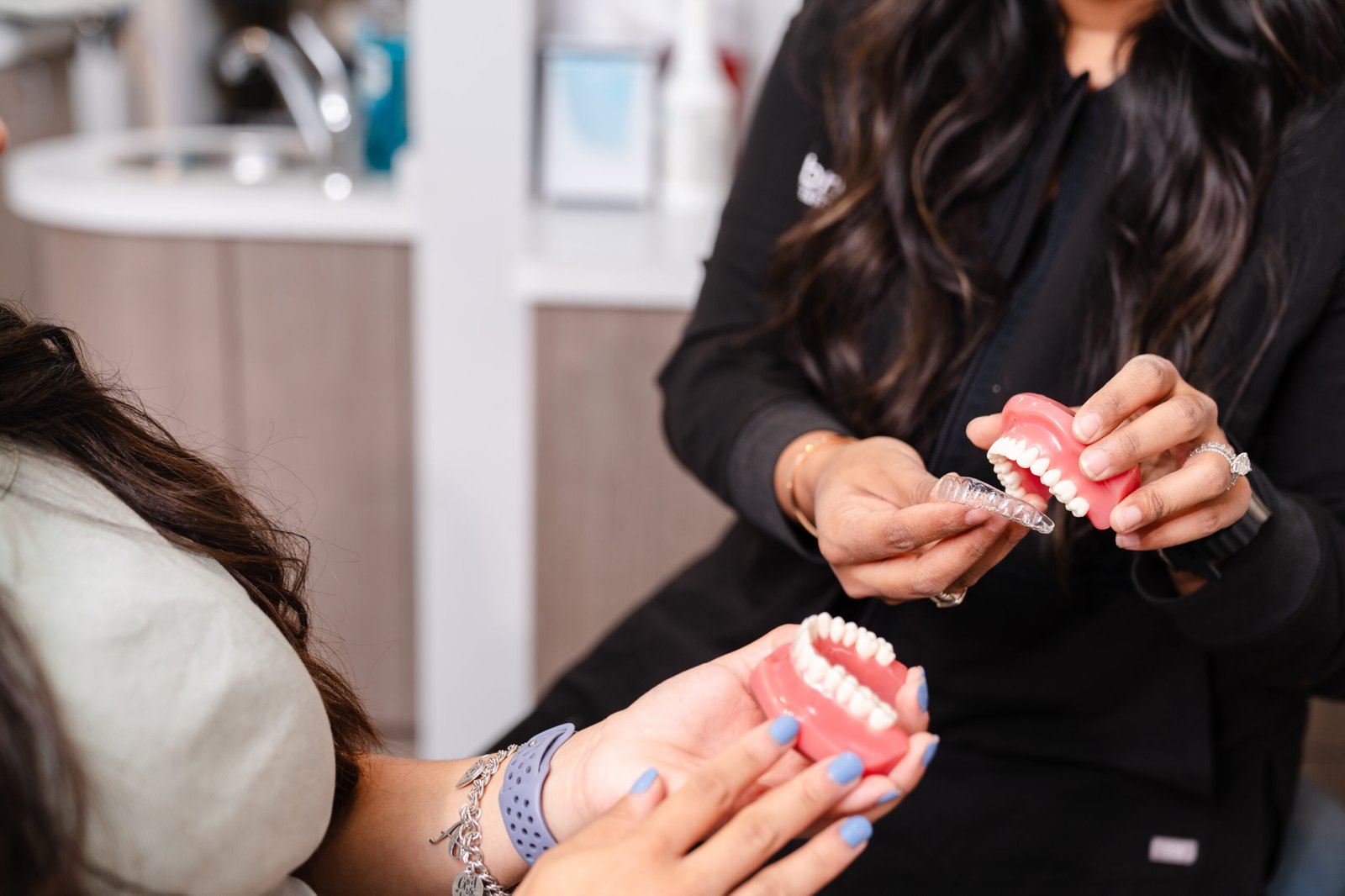
In injury dentistry, timing directly influences outcomes. A fracture evaluated early may be treated conservatively with bonding. If progression continues, a crown may become necessary. When structure is lost entirely, replacement options become more complex. Each step reflects damage that advanced further than it needed to.
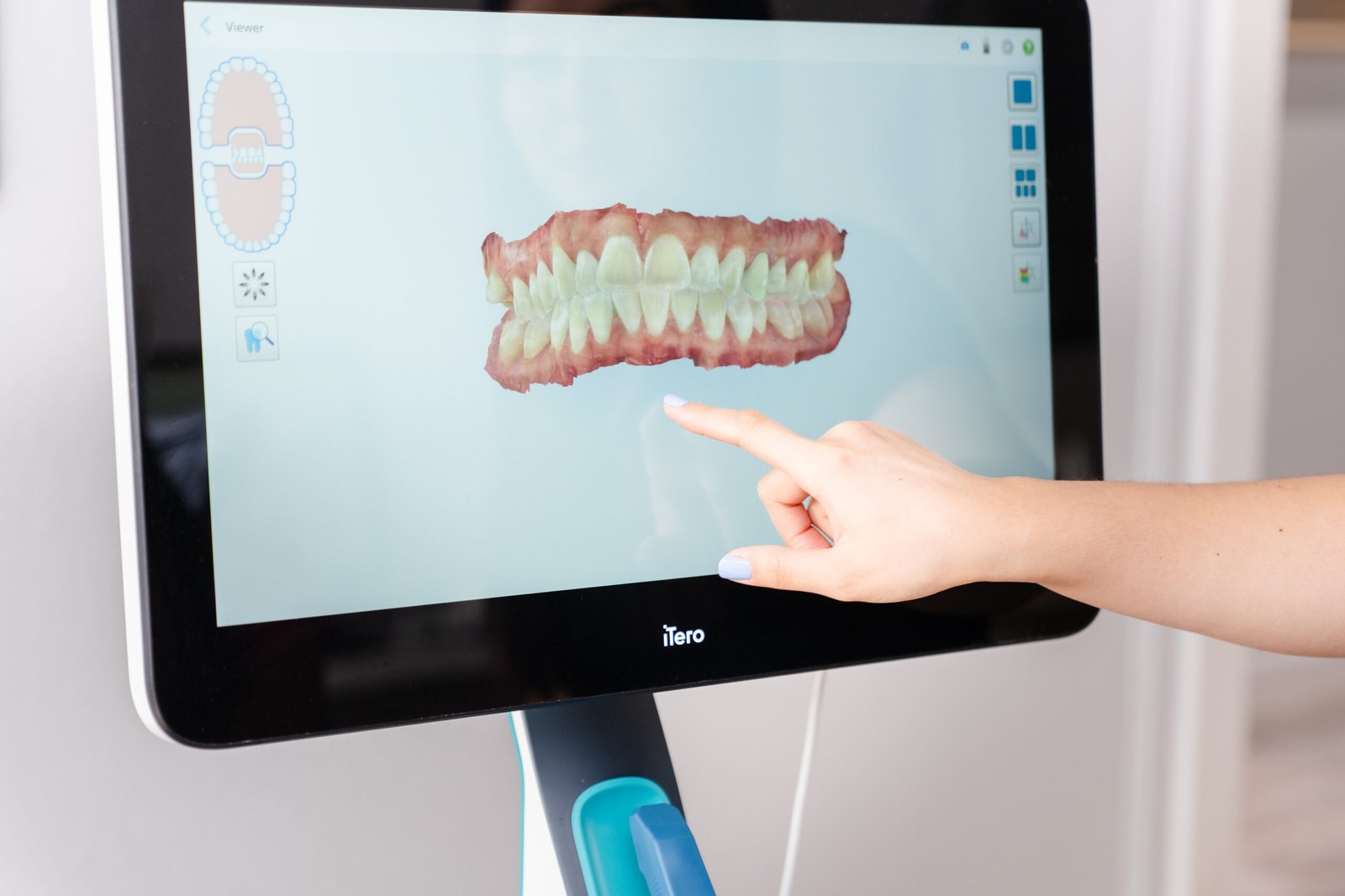
At brush365 Dental Injury, evaluations focus not only on what is visible but also on how forces are being distributed and whether internal structures have been compromised. Careful examination and imaging allow smaller problems to be stabilized before they escalate.
If you have experienced a chip, crack, bite change, or jaw discomfort after an accident, even if it feels minor, contact brush365 Dental Injury to arrange a dental injury evaluation. Early intervention protects structure, comfort, and long-term oral stability.